Understanding Material Hardness in CNC Machining

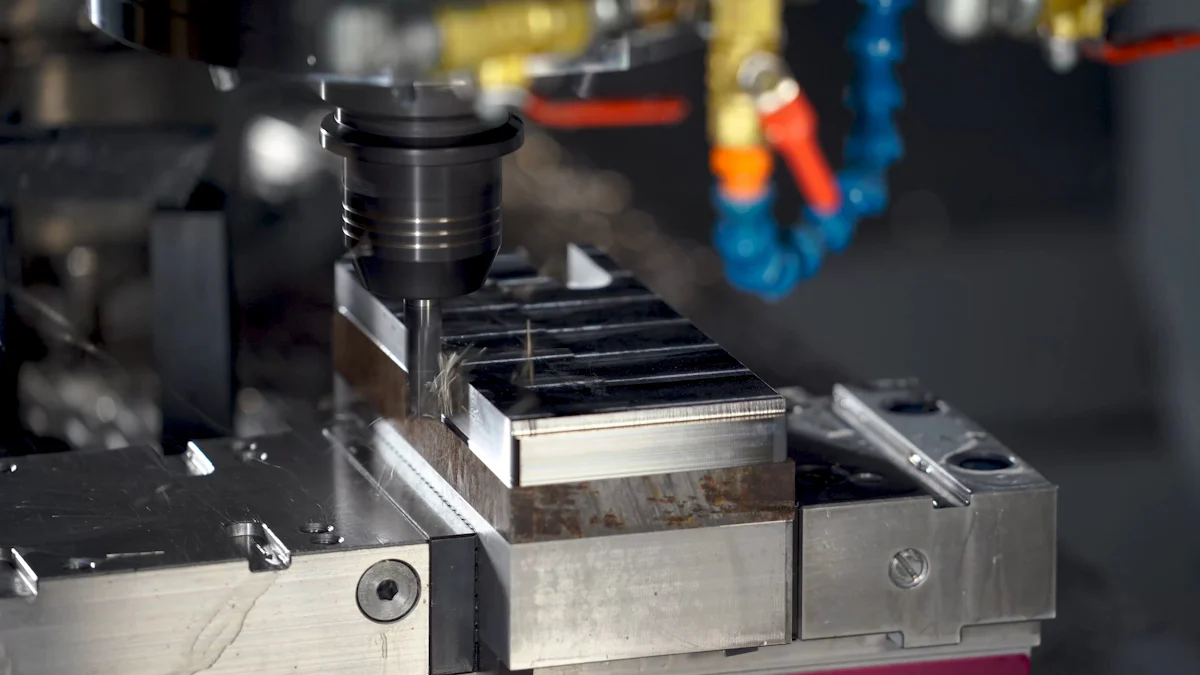
Material hardness refers to a material's ability to resist deformation, indentation, or penetration. In CNC machining, understanding hardness is essential for achieving precision and maintaining efficiency. Harder materials often require specialized tools, such as carbide or ceramic, to handle their abrasiveness. This knowledge helps you select the right cutting tools, extending their lifespan and reducing costs. Additionally, harder materials improve wear resistance, leading to longer tool life and fewer replacements. By considering hardness, you can predict how materials perform under stress, ensuring better results in machining processes.
Key Takeaways
Material hardness is important in CNC machining. It impacts tool choice, wear, and machining success.
Pick tools based on how hard the material is. Use carbide or ceramic tools for hard materials. Use high-speed steel for softer ones.
Change cutting speeds and feeds based on hardness. Go slower for hard materials to avoid tool damage.
Check tools often to stop unexpected problems. Look for wear and use systems to predict maintenance needs.
Knowing hardness improves machining. It gives better results, longer tool use, and saves money.
What Is Material Hardness?
Definition and Importance
Material hardness measures a material's ability to resist deformation, scratching, or indentation. It is a critical property in engineering and manufacturing, as it determines the durability and strength of materials. Design engineers often use standardized tests to quantify hardness by pressing an indenter into the material's surface and measuring the resulting indentation. This property helps you assess how well a material can endure permanent shape changes when subjected to external forces.
In CNC machining, understanding material hardness is essential for selecting the right materials and tools. Harder materials offer better wear resistance and durability, which improves the performance and lifespan of the final product. By knowing the hardness of a material, you can predict how it will behave under stress, ensuring safety and efficiency in machining processes.
Types of Material Hardness
Indentation Hardness
Indentation hardness evaluates a material's resistance to permanent deformation under a specific load. This type of hardness is measured by the size, depth, or volume of the indentation left by an indenter. Common methods include the Brinell, Vickers, and Rockwell tests. For example, in the Brinell test, a steel or tungsten carbide ball is pressed into the material, and the diameter of the indentation is measured. Indentation hardness is crucial for determining how well a material can withstand continuous pressure during machining.
Scratch Hardness
Scratch hardness measures a material's ability to resist surface scratches caused by contact with harder materials. The Mohs scale is commonly used for this purpose. It ranks materials on a scale from 1 (softest) to 10 (hardest) based on their ability to scratch or be scratched by reference materials. For instance, talc has a Mohs hardness of 1, while diamond, the hardest known material, has a Mohs hardness of 10. This type of hardness is particularly useful when selecting materials for applications where surface wear is a concern.
Rebound Hardness
Rebound hardness, also known as dynamic hardness, assesses a material's elasticity and its ability to absorb impact energy. It is measured using a Leeb hardness tester, which drops a small hammer onto the material and measures the height of the rebound. Materials with high rebound hardness can resist deformation and recover their shape after impact. This property is vital for applications requiring materials that can endure repeated impacts without losing their structural integrity.
Hardness Testing Methods
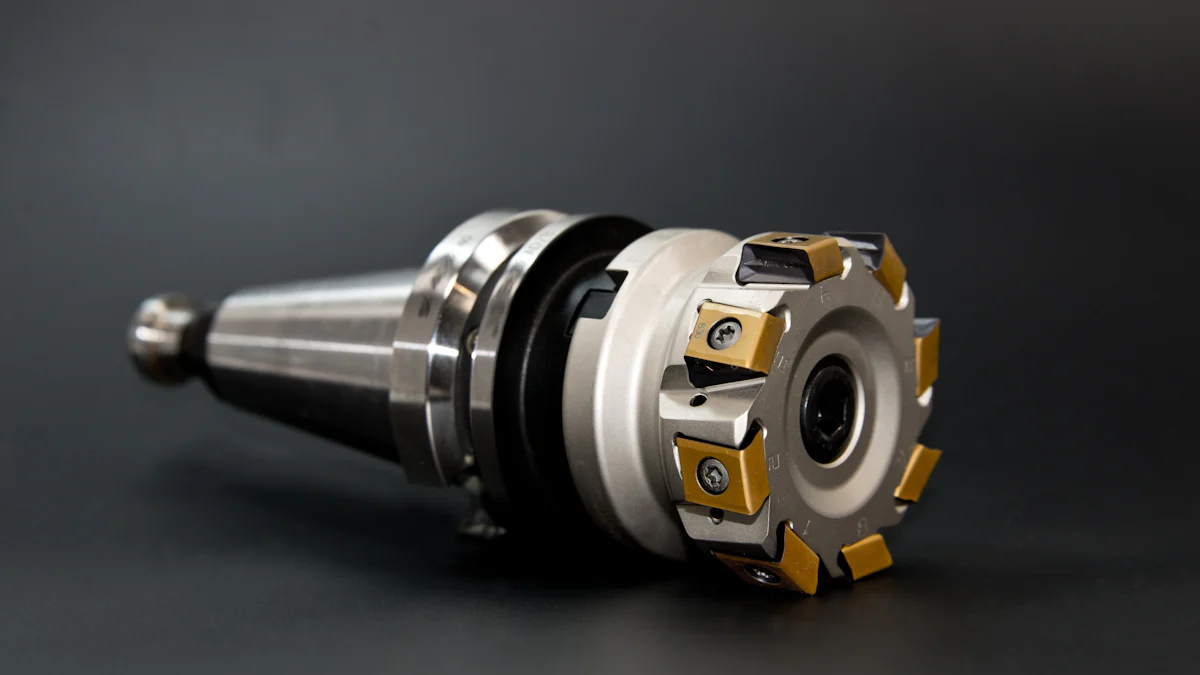
Understanding how to evaluate material hardness is essential for achieving precision in CNC machining. Hardness testing methods allow you to measure a material's resistance to deformation, scratching, or impact. These tests help you select the right materials and tools for machining, ensuring better performance and durability.
Common Hardness Tests
Brinell Hardness Test
The Brinell hardness test uses a hard steel or carbide ball to measure the hardness of a material. You press the ball into the material's surface under a specific load and measure the diameter of the resulting indentation. This method works well for materials with coarse or uneven structures, such as castings and forgings. It provides an averaged hardness value, making it ideal for non-homogeneous materials.
Rockwell Hardness Test
The Rockwell hardness test measures hardness by determining the depth of penetration of an indenter under a large load. This method is quick and versatile, suitable for a wide range of materials. It requires careful surface preparation to ensure accurate results. The Rockwell test is widely used in metalworking industries, especially for high-volume production where consistent hardness is critical.
Mohs Hardness Scale
The Mohs hardness scale ranks materials based on their scratch resistance. It uses a qualitative scale from 1 (softest) to 10 (hardest). For example, talc has a hardness of 1, while diamond ranks at 10. This test is commonly used in geology to classify minerals but also helps you evaluate scratch hardness in industrial applications.
Here’s a comparison of common hardness test methods:
Hardness Test Method | Description |
|---|---|
Vickers | Measures hardness using a diamond indenter and is suitable for all materials. |
Brinell | Uses a hard steel or carbide ball to measure hardness, ideal for materials with coarse or uneven structures. |
Rockwell | Measures hardness by the depth of penetration of an indenter under a large load compared to the penetration made by a preload. |
Leeb | A rebound hardness test that is portable and suitable for large components. |
Applications of Hardness Testing in CNC Machining
Hardness testing plays a crucial role in CNC machining. It helps you:
Select the right material for machined parts, ensuring they resist deformation and scratches.
Determine material properties that influence machining outcomes, such as wear resistance and machinability.
Decide on processes to enhance material hardness, like case hardening or induction hardening, to improve durability and performance.
By understanding the importance of hardness testing, you can optimize machining parameters and achieve better results.
Impact of Material Hardness on CNC Machining
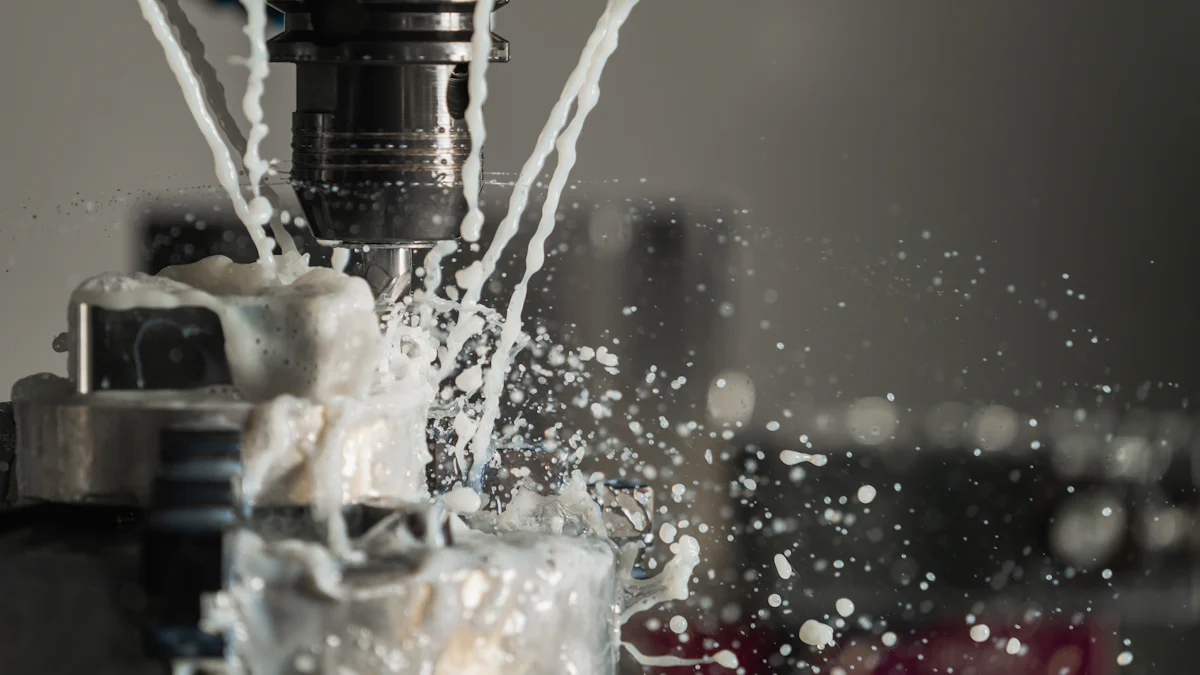
Tool Life and Wear
Material hardness directly impacts the lifespan and wear of CNC machining tools. Harder materials resist wear and deformation, making them ideal for abrasive environments. This durability ensures tools last longer, even under high stress and pressure. For example:
Hard materials like tool steel or titanium alloys withstand constant friction better than softer materials.
Abrasion-resistant materials are perfect for manufacturing durable parts such as gears and cutting tools.
Tools used for machining hard materials experience less damage, reducing the need for frequent replacements.
By selecting tools designed for high-hardness materials, you can improve tool longevity and reduce overall machining costs.
Cutting Speeds and Feeds
Adjusting cutting speeds and feeds based on material hardness is essential for achieving optimal machining results. Harder materials require slower cutting speeds to minimize tool wear, while softer materials allow for faster speeds. For instance, when machining free-machining steel, you can increase the speed, but for hard cast iron, a slower speed is necessary.
Here’s a quick reference for cutting speeds:
Type of Material | Cutting Speed (SFM) |
|---|---|
Low Carbon Steel | 40-140 |
High Carbon Steel | 65-100 |
Cast Iron–Hard | 5-30 |
Aluminum Alloys | 300-400 |
Titanium Alloy | 20-60 |
Using durable cutting tools and smaller feed rates for harder materials can also help reduce surface roughness. These adjustments ensure precision and maintain the quality of the machined components.
Surface Finish and Precision
Material hardness significantly influences the surface finish and precision of machined parts. Softer materials are easier to machine and require fewer finishing steps, resulting in smoother surfaces. In contrast, harder materials demand more effort to achieve the desired finish. For example:
Harder materials often require additional polishing or grinding to meet quality standards.
Softer materials facilitate easier finishing, which saves time and effort.
By understanding the hardness of the material, you can plan machining processes that balance efficiency and quality. This ensures the final product meets the required specifications without compromising precision.
Machinability of Materials
Machinability refers to how easily a material can be cut, shaped, or finished using machining processes. It plays a vital role in CNC machining, as it directly affects efficiency, tool wear, and the quality of the final product. Materials with high machinability require less effort to machine, while those with low machinability demand specialized tools and techniques.
The hardness of a material significantly influences its machinability. Harder materials, such as tool steel or titanium alloys, often present challenges during machining. These materials require advanced cutting tools and precise adjustments to machining parameters. For example, harder materials generate greater cutting forces, which can strain the machine and reduce tool life. You must select tools with appropriate geometry and coatings to handle these forces effectively. Additionally, slower cutting speeds and smaller feed rates are necessary to maintain accuracy and prevent tool damage.
On the other hand, softer materials, like aluminum alloys, are easier to machine. They allow for faster cutting speeds and produce smoother finishes with minimal effort. However, softer materials may also present issues, such as excessive material buildup on tools, which can affect precision.
Machining materials with extremely high or low hardness levels introduces unique challenges:
Reduced machinability makes hard materials more difficult and costly to process.
Brittle materials risk cracking under stress, requiring careful handling.
Harder materials often incur higher raw material and machining expenses.
Understanding machinability helps you optimize manufacturing processes. By considering material hardness, you can select the right tools, adjust machining parameters, and achieve efficient, high-quality results. This knowledge ensures that your CNC machining operations remain cost-effective and precise.
Practical Tips for CNC Machining Based on Material Hardness
Selecting Cutting Tools
Tool Material Considerations
Choosing the right cutting tools is essential when working with materials of varying hardness. Tools made from high-wear-resistant materials, such as carbide or ceramic, perform better with harder materials. These tools resist deformation and maintain their cutting edge longer. For softer materials, high-speed steel tools may suffice, offering cost-effective solutions without compromising performance. Always match the tool material to the hardness of the workpiece for optimal results.
Coatings for Hard Materials
Coatings enhance tool performance by improving wear resistance and reducing friction. Options like titanium nitride (TiN), titanium carbonitride (TiCN), and titanium aluminum nitride (TiAlN) are ideal for machining hard materials. These coatings protect tools from mechanical and thermal stress, extending their lifespan. Approximately 80% of cutting tools feature coatings, highlighting their importance in CNC machining. Using coated tools allows you to achieve higher accuracy and efficiency while minimizing costs.
"Coating is very important, especially with harder materials. If you use the proper coating – with the proper speeds and feeds from your vendor – you’re going to be able to fly through the material, you won’t burn up your cutters, and you will hold to tolerance."
Adjusting Machining Parameters
Cutting Speeds and Feeds
Adjusting cutting speeds and feeds is crucial when machining materials with different hardness levels. Harder materials require slower cutting speeds to reduce heat and tool wear. Softer materials allow for faster speeds, improving efficiency. Feed rates should align with the manufacturer's recommendations to ensure efficient material removal and minimal tool wear. For example, slower speeds and lighter feeds work best for hard materials like titanium alloys, while aluminum alloys can handle higher speeds.
Depth of Cut and Tool Engagement
Depth of cut plays a significant role in machining harder materials. Lighter cuts reduce stress on tools and prevent excessive wear. For softer materials, deeper cuts can improve efficiency without compromising tool life. Proper tool engagement ensures consistent performance and reduces the risk of tool failure. Always balance depth of cut with the hardness of the material to maintain precision and accuracy.
Monitoring Tool Performance
Monitoring tool performance helps you maintain consistent results and avoid unexpected downtime. Regularly inspect tools for wear and replace them as needed. Spindle load monitoring can identify sudden spikes, signaling tool wear or incorrect parameters. Predictive maintenance systems use advanced algorithms to forecast tool failures, allowing you to address issues before they impact production. Monitoring power usage during machining can also detect early signs of tool wear, ensuring smooth operations.
Understanding material hardness is vital for successful CNC machining. It influences wear resistance, durability, and machinability, ensuring your projects meet performance demands. Proper tool selection and machining parameters play a key role in managing harder materials, reducing tool wear, and maintaining precision. By prioritizing knowledge of material hardness, you can improve efficiency, extend tool life, and optimize production costs. This understanding also helps you balance material performance with machining challenges, leading to better results and long-term reliability in your operations.
FAQ
What is the best way to measure material hardness for CNC machining?
You should choose a hardness test based on the material type. For metals, the Rockwell or Brinell test works well. For scratch resistance, use the Mohs scale. Always match the test to your machining needs.
How does material hardness affect tool selection?
Harder materials require tools made from durable materials like carbide or ceramic. These tools resist wear and maintain sharpness. For softer materials, high-speed steel tools are cost-effective and perform well.
Can you machine extremely hard materials?
Yes, you can machine hard materials with the right tools and parameters. Use coated carbide tools, slower cutting speeds, and lighter feeds. Proper cooling and lubrication also help manage heat and tool wear.
Why do softer materials sometimes cause tool buildup?
Softer materials, like aluminum, can stick to cutting tools due to their ductility. This buildup affects precision and surface finish. Using coated tools and proper lubrication minimizes this issue.
How can you improve machinability for hard materials?
You can improve machinability by using advanced coatings, optimizing cutting speeds, and applying proper cooling techniques. Pre-treating materials, like annealing, can also reduce hardness and make machining easier.
See Also
Exploring Material Needs for CNC Precision Machining Success
Navigating CNC Machining: Key Tolerances, Prototyping, and Materials
CNC Machining Mastery: Technical Drawings and Material Choices
Decoding the Order of Precision Parts in CNC Machining
Explaining CNC Precision Machining: Key Features of CNC Turning
About US
Follow Us
Your prototype holds unparalleled significance, and we deeply value its uniqueness. Collaborating with you during the preparation phase for running your prototype or parts is a commitment we gladly embrace. Whether it's a single part or a complex assembly, we are dedicated to selecting the optimal tools and pathways to bring your envisioned product to life.
At Precision Fab CNC Machining, we specialize in producing parts for prototypes, short runs, and high-volume production. Our prototyping machine capabilities extend across metal, plastic, and wood machining, with welding fabrication services available to complement and finalize your prototype if required.
Address
Address: Room320 10F, Building A,Nanshan international building, Dayawan District, Huizhou, Guangdong, 516001 China
Contacts
billy@timaycnc.com