How Material Selection Affects the Quality and Durability of CNC Machined Parts

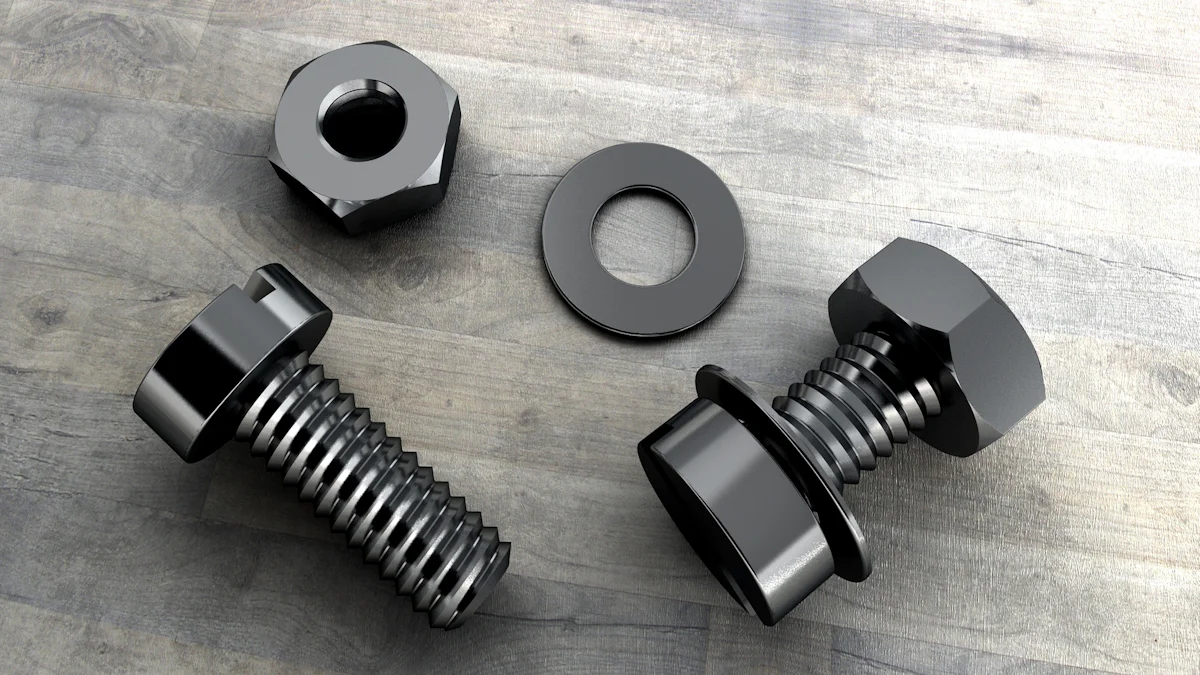
Material selection plays a vital role in CNC machining. Choosing the right material enhances the overall quality and durability of parts. For example, aluminum offers lightweight strength, while stainless steel resists corrosion. Poor choices lead to reduced performance and higher costs. You must prioritize properties like tensile strength, wear resistance, and hardness for optimal results.
Key Takeaways
Picking the right material is key for strong and lasting CNC parts. Focus on features like strength and resistance to damage.
Metals like aluminum and stainless steel have special advantages. Aluminum is light and affordable, while stainless steel is strong and resists rust.
Think about how easy materials are to machine. Easy-to-machine ones, like aluminum, save time and lower costs.
Why Material Selection is Crucial in CNC Machining
Impact on Component Durability
Material selection directly affects the lifespan of CNC machined parts. Choosing the right material ensures resistance to wear, environmental factors, and mechanical stress. For example:
Metals like stainless steel and titanium offer exceptional strength and corrosion resistance.
Plastics such as PEEK provide lightweight durability and chemical resistance.
Exotic alloys like Inconel withstand extreme temperatures and harsh conditions.
Evaluating properties like hardness, tensile strength, and wear resistance is essential. These factors determine how well a part performs under stress and over time. Using unsuitable materials can lead to premature failure, reducing component durability and increasing replacement costs.
Influence on Performance and Functionality
The material you choose impacts how well a part functions in its intended application. Different industries require specific properties:
Aerospace components benefit from aluminum's strength-to-weight ratio.
Medical devices rely on titanium for biocompatibility.
Industrial machinery demands the toughness of alloy steels.
Material properties such as flexibility, thermal conductivity, and corrosion resistance also play a role. Selecting a material with good machinability improves machining performance, reducing production time and ensuring precision.
Cost and Efficiency Considerations
Premium materials like titanium or Inconel increase raw material costs. However, their durability and machinability can offset expenses in the long run. Aluminum, being cost-effective and easy to machine, is ideal for many applications. Recyclable metals further reduce long-term costs by minimizing waste. Balancing material costs with manufacturing efficiency ensures optimal results.
Common Materials and Their Properties
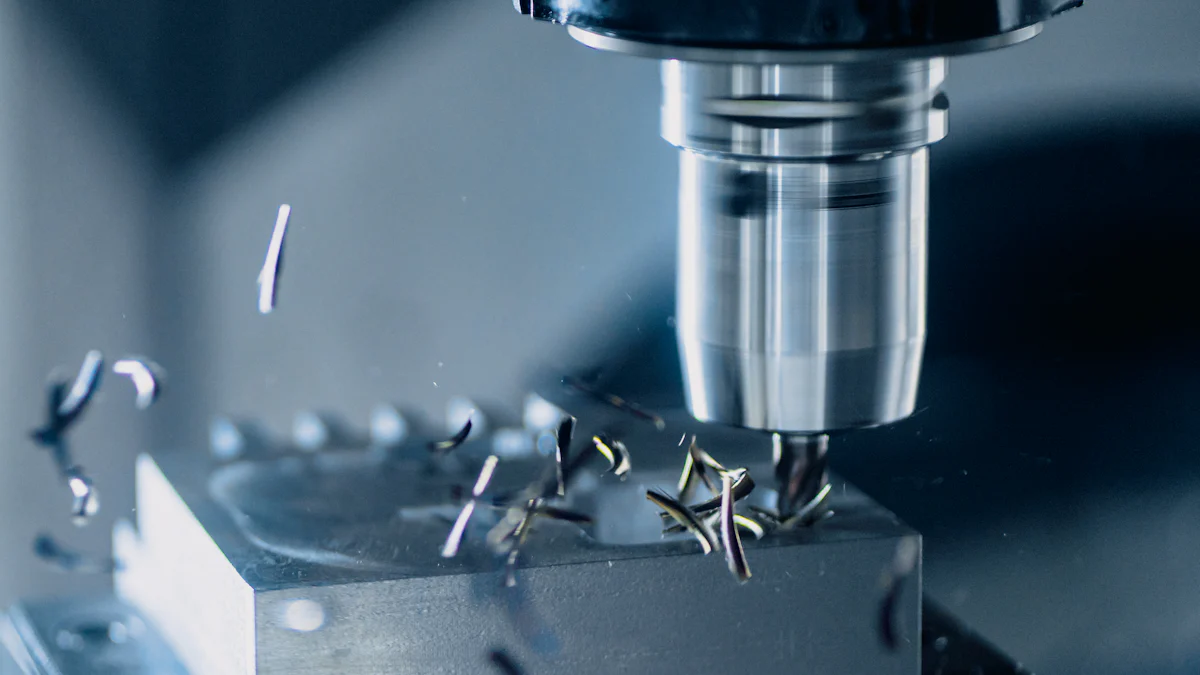
Aluminum: Lightweight and Durable
Aluminum stands out as one of the most versatile metals in CNC machining. Its lightweight nature, combined with a high strength-to-weight ratio, makes it ideal for industries like aerospace and automotive. You can rely on aluminum for applications where reducing weight without compromising durability is critical.
Key properties of aluminum include:
Machinability: Its soft texture allows for rapid shaping and processing.
Corrosion Resistance: Anodization enhances its resistance to wear and environmental damage.
Recyclability: Aluminum is highly sustainable, reducing waste in manufacturing.
This metal also performs well in low-temperature environments and offers excellent electrical conductivity, making it suitable for electronic components. Its adaptability ensures high-quality results across various machining processes.
Stainless Steel: Corrosion Resistance and Strength
Stainless steel is a go-to material when you need durability and resistance to harsh conditions. Its high tensile strength and corrosion resistance make it indispensable in industries like medical, marine, and food processing.
Industry | Applications |
|---|---|
Automotive | Exhaust systems and fuel lines for durability. |
Marine | Components like propellers resistant to seawater. |
Medical | Surgical instruments requiring precision and hygiene. |
Food and Beverage | Processing machinery ensuring sanitary standards. |
Stainless steel's ability to withstand extreme temperatures and pressures ensures reliable performance in demanding environments. Its versatility makes it a top choice for CNC machining.
Plastics: Versatility and Cost-Effectiveness
Plastics offer unmatched flexibility in CNC machining. You can choose from a wide range of options, including PEEK, Acetal, and Polycarbonate, to meet specific requirements. These materials are lightweight, cost-effective, and easy to machine.
Advantages of plastics include:
High temperature and chemical resistance.
Impact strength and electrical insulation.
Straightforward machining processes with proper speed management.
Plastics are integral to modern manufacturing, especially in industries like medical devices and biotechnology. Their adaptability ensures they meet both technical and budgetary needs.
Alloy Steels: High Strength and Wear Resistance
Alloy steels are engineered for high strength and durability, making them suitable for demanding applications. The addition of elements like chromium and nickel enhances their wear resistance and lifespan.
Key benefits of alloy steels:
Exceptional strength for high-stress applications.
Resistance to extreme temperatures and corrosive environments.
Customizable compositions for specific performance needs.
You can depend on alloy steels for components requiring high strength and durability, such as gears, shafts, and heavy-duty machinery parts. Their reliability ensures consistent performance in harsh conditions.
Key Factors in Material Selection
Mechanical Properties and Strength
When selecting materials for CNC machining, you must prioritize mechanical properties to ensure the quality and durability of the final product. Key properties include:
Tensile strength: This measures a material's ability to resist breaking under tension.
Endurance strength: This determines how much stress a material can absorb over time.
Wear resistance: Materials like Ultra High Molecular Weight polyethylene excel in handling friction.
Hardness: This property, measured by Brinell or Rockwell scales, indicates a material's ability to withstand surface loads.
Choosing materials with high strength and wear resistance ensures better performance in demanding applications. For example, metals like alloy steels provide exceptional durability, while plastics like PEEK offer lightweight strength. Always consider the functional requirements of your project, such as stress levels and load-bearing needs, to identify the ideal material.
Thermal and Corrosion Resistance
Thermal and corrosion resistance are critical for CNC machined parts exposed to extreme environments. Materials like PEEK, Torlon, and Vespel offer excellent thermal resistance, as shown below:
Material | Thermal Resistance | Common Applications |
|---|---|---|
PEEK | High-performing | Consumer electronics, seal rings, packaging |
Torlon | Up to 500°F | Transmission seals, aerospace components |
Vespel | Up to 300°C | Aerospace, semiconductors, transportation |
Corrosion protection also plays a vital role in extending the lifespan of parts. Metals like stainless steel and titanium resist corrosion effectively, making them suitable for harsh environments. Post-treatment methods, such as anodizing or electroplating, further enhance corrosion resistance, ensuring long-term reliability.
Cost, Availability, and Environmental Factors
Material selection impacts not only performance but also manufacturing costs and sustainability. Metals like aluminum and brass are cost-effective and easy to machine, making them ideal for large production runs. For smaller runs, you can opt for materials with lower machinability, such as tool steel, if time flexibility exists.
Availability also matters. Choosing readily available materials reduces lead times and ensures smooth manufacturing processes. Additionally, consider environmental factors. Recyclable metals like aluminum minimize waste and align with sustainable practices. Testing materials for their environmental impact ensures compliance with industry standards and supports eco-friendly initiatives.
Effects of Material Choice on Machining Performance
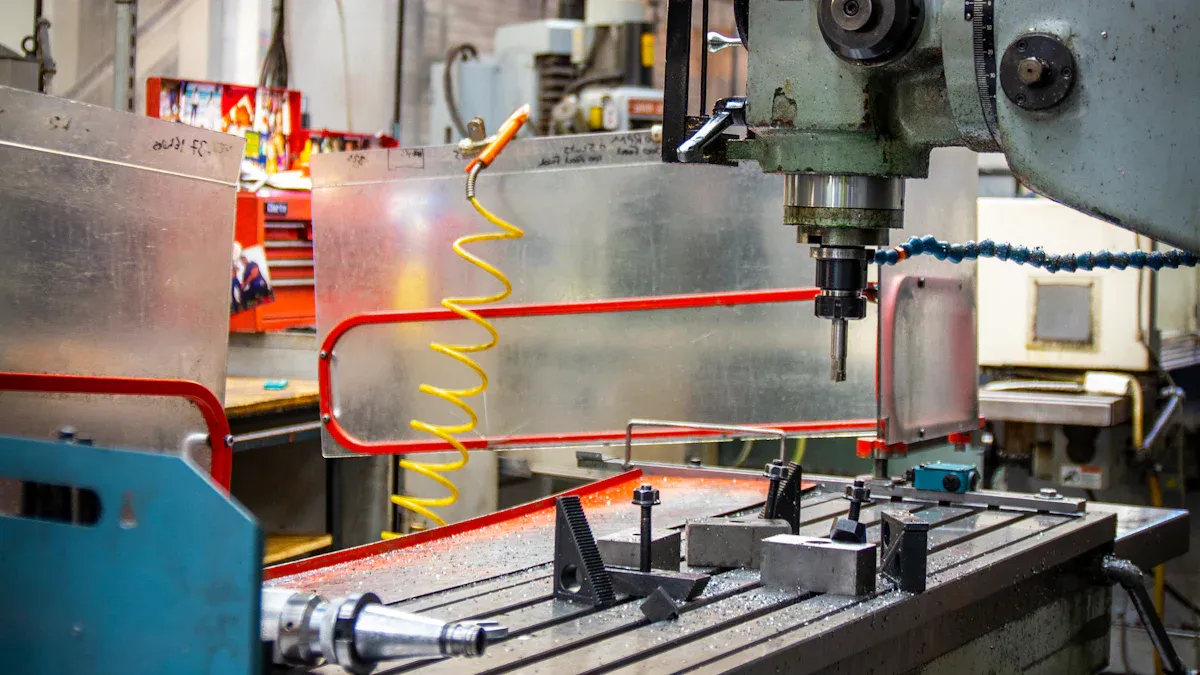
Tool Wear and Maintenance
The hardness of the material you choose directly affects tool wear and maintenance frequency. Harder metals like stainless steel or titanium often cause faster tool degradation, requiring more frequent replacements. On the other hand, softer metals such as aluminum extend tool life, reducing maintenance costs and downtime.
Hard materials resist wear and deformation, leading to longer intervals between maintenance.
Softer metals minimize tool wear, improving efficiency and lowering repair costs.
By selecting the right material, you can optimize tool performance and reduce operational disruptions. This strategic importance of metal material selection ensures smoother machining processes and better cost management.
Surface Finish and Precision
Material selection plays a critical role in achieving the desired surface finish and precision. High-performance materials with good machinability, like aluminum and brass, allow for tighter tolerances and smoother finishes. In contrast, harder metals or materials with poor machinability may result in rougher surfaces and reduced precision.
Properties like hardness, strength, and thermal conductivity influence machining performance.
Materials with easy machinability improve surface quality and reduce production time.
For large-scale production, choosing materials that balance machinability and quality ensures consistent results. Testing materials for their machinability helps you achieve the required surface finish and precision.
Machining Speed and Efficiency
The machinability of a material significantly impacts machining speed and overall efficiency. Highly machinable metals, such as aluminum, enable faster processing times and reduced tool wear. Poor material choices, however, can lead to inefficiencies and increased costs.
High machinability enhances productivity and reduces maintenance expenses.
Optimized cutting speeds improve machining performance and lower production costs.
By prioritizing material selection, you can maximize the potential of CNC machining. This ensures efficient operations and high-quality outcomes for your projects.
Material selection directly determines the quality and durability of CNC machined parts. Prioritize application-specific needs like stress, temperature, and environmental exposure. For example:
Start with functional requirements, such as strength or heat resistance.
Collaborate with experts to handle advanced materials and improve product durability.
Testing component durability ensures the final product meets performance expectations.
FAQ
What is the most cost-effective material for CNC machining?
Aluminum is the most cost-effective option. It offers excellent machinability, durability, and recyclability, making it ideal for large-scale production and budget-conscious projects.
How do you choose the right material for high-temperature applications?
Focus on materials with high thermal resistance, like PEEK or Inconel. These materials withstand extreme heat while maintaining structural integrity and performance.
Tip: Always consult material datasheets or experts to match your application needs.
Can material choice affect CNC machining speed?
Yes, machinable materials like aluminum or brass allow faster processing. Harder materials, such as titanium, slow machining due to increased tool wear and maintenance requirements.
See Also
Grasping Material Needs for CNC Precision Machining Success
Become Proficient in CNC Machining: Technical Drawings and Materials
Excelling in CNC Machining for High-Precision Part Production
Key Elements Influencing CNC Precision Parts Processing Costs
Enhancing Processing Excellence Through CNC Precision Machining Techniques
About US
Follow Us
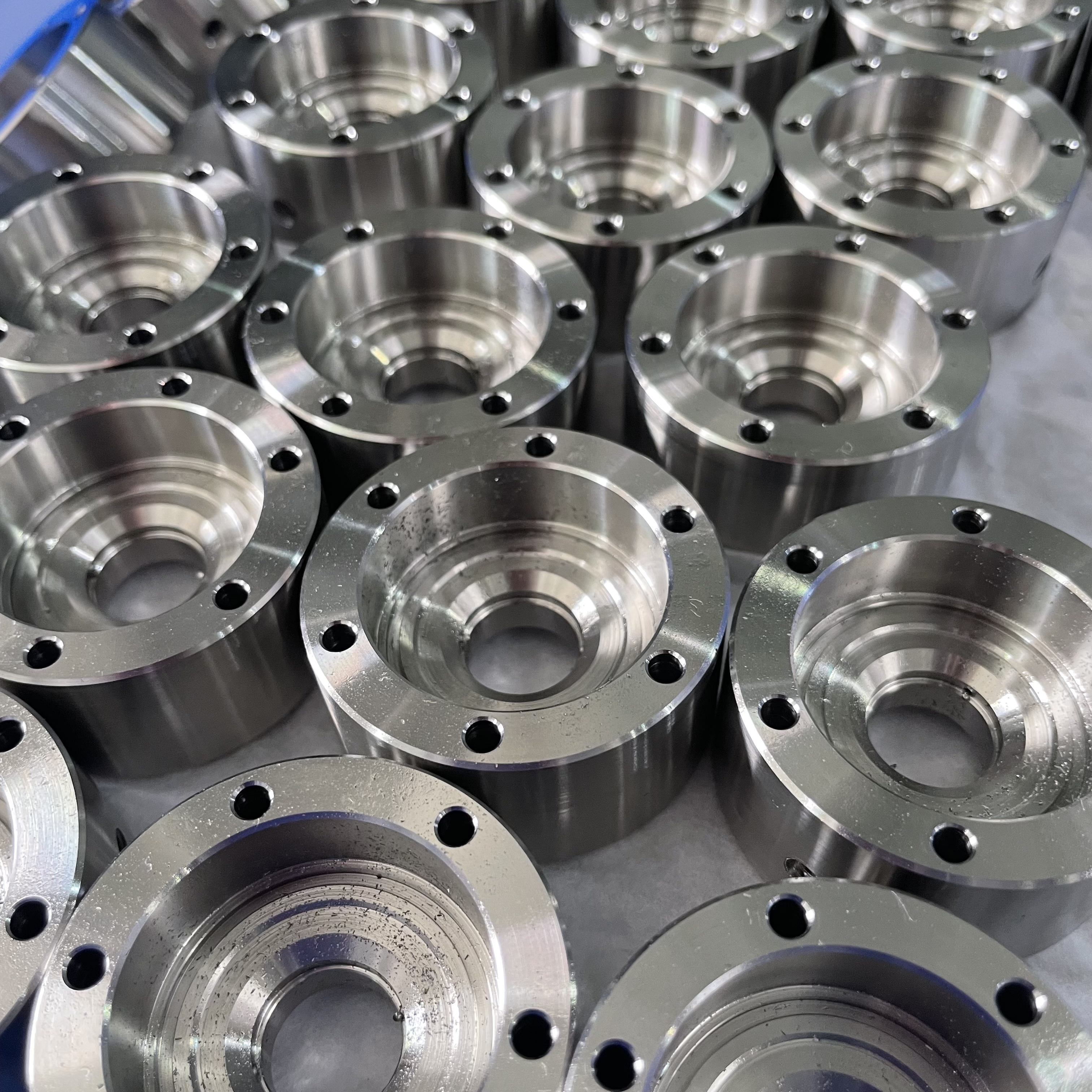
Your prototype holds unparalleled significance, and we deeply value its uniqueness. Collaborating with you during the preparation phase for running your prototype or parts is a commitment we gladly embrace. Whether it's a single part or a complex assembly, we are dedicated to selecting the optimal tools and pathways to bring your envisioned product to life.
At Precision Fab CNC Machining, we specialize in producing parts for prototypes, short runs, and high-volume production. Our prototyping machine capabilities extend across metal, plastic, and wood machining, with welding fabrication services available to complement and finalize your prototype if required.
Address
Address: Room320 10F, Building A,Nanshan international building, Dayawan District, Huizhou, Guangdong, 516001 China
Contacts
billy@timaycnc.com