Understanding the Importance of Metal Alloys in Flashlight Manufacturing

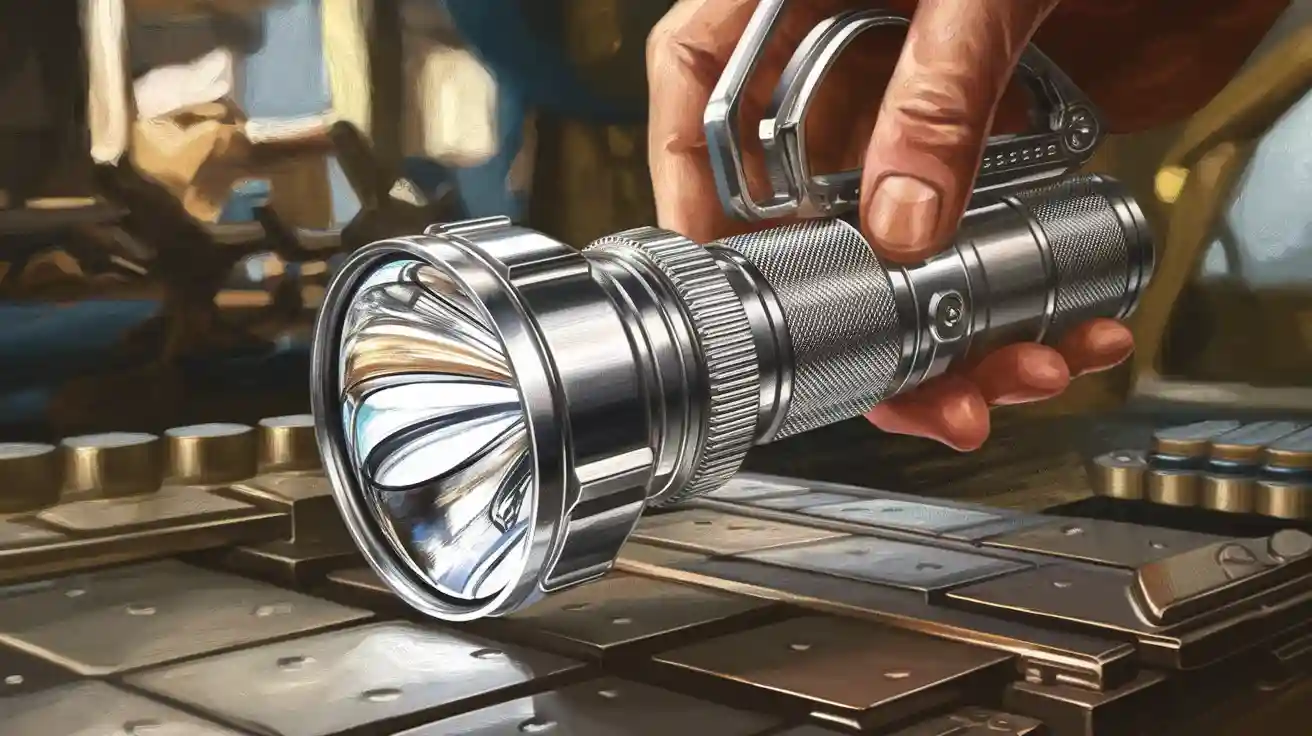
Metal mixtures are very important for flashlight manufacturing. Using metals like aluminum makes flashlights strong and work better. Aluminum is light, so it’s easy to carry. It doesn’t rust, which helps it last longer. Metal mixtures also spread heat well, keeping flashlights from getting too hot. Picking the right metal helps flashlight manufacturing ensure that the products give steady and bright light.
Key Takeaways
Metal mixes like aluminum and titanium make flashlights tough. They keep parts safe and help them work for a long time.
Light metals make flashlights easy to carry. Aluminum and magnesium are great for outdoor trips and emergencies.
Rust-proof metals like aluminum and stainless steel make flashlights last. They stop rust and stay strong in hard conditions.
Benefits of Metal Alloys in Flashlight Manufacturing
Strength and Durability
Metal alloys are important for making strong, long-lasting flashlights. Flashlights need to handle drops, rough use, and tough weather. Strong alloys like stainless steel and titanium are great for this. They protect parts like LED bulbs and batteries from breaking.
Titanium alloys are strong but not heavy. They can handle stress without adding weight. This makes them perfect for tough flashlights used outdoors or in industries. Using strong alloys helps make flashlights that work well for a long time, even in hard conditions.
Lightweight Design for Portability
Flashlights should be easy to carry, especially for outdoor users or emergencies. Lightweight alloys like aluminum and magnesium are perfect for this. Aluminum is strong and light, making it a popular choice.
Magnesium alloy is even lighter than aluminum and steel. It also spreads heat well, keeping flashlights bright for longer. These features make lightweight alloys great for portable flashlights that are easy to use and carry.
Benefits of lightweight alloys in flashlights:
Aluminum is strong and light, making it portable.
Magnesium alloy is very light and spreads heat well.
Both resist damage and rust, good for tough use.
Corrosion Resistance for Longevity
Rust resistance is another big benefit of metal alloys in flashlights. Flashlights often face water, humidity, and harsh conditions. Aluminum alloys don’t rust easily, so flashlights stay strong and look good.
Stainless steel is also rust-resistant and looks nice. It’s heavier than aluminum but works well in extreme conditions. Using rust-proof materials helps flashlights last longer and stay reliable for years.
Tip: Choose flashlights made from rust-resistant alloys like aluminum or stainless steel. They last longer and work better in tough conditions.
Common Metal Alloys Used in Flashlights
Aluminum Alloys: Lightweight and Rust-Resistant
Aluminum alloys are widely used in making flashlights. They are light, making flashlights easy to carry and use. Aluminum also resists rust, which is important for wet or tough conditions.
Main advantages of aluminum alloys in flashlights:
Light and simple to handle.
Doesn’t rust because of a protective layer.
Affordable but still strong.
Good aluminum is often used for flashlight covers, like aluminum alloy shells. This material protects the inside parts and spreads heat well. It helps flashlights stay bright. Strong aluminum, like aviation-grade, is very durable and perfect for top-quality flashlights.
Stainless Steel: Strong and Stylish
Stainless steel is another popular material for flashlights. It is very strong and doesn’t wear out easily. This makes it great for flashlights used in rough conditions. Stainless steel also looks shiny and professional, adding style to the flashlight.
Though heavier than aluminum, stainless steel lasts longer. It’s used in flashlights where strength matters more than being light. It also resists rust, so it works well even in bad weather.
Titanium Alloys: Strong but Lightweight
Titanium alloys are known for being strong and light. They are lighter than stainless steel but still very tough. This makes titanium great for flashlights used in hard environments.
Titanium flashlights can handle hits and scratches, lasting a long time. They are light, so they’re easy to carry without losing strength. These features make titanium alloys a top choice for durable and portable flashlights.
Note: Think about the material when picking a flashlight. Aluminum, stainless steel, and titanium each have special benefits to fit your needs.
How Metal Alloys Improve Flashlight Performance
Heat Control for LED Brightness
Metal alloys help manage heat in LED flashlights. LEDs create heat when they work. If heat isn’t controlled, LEDs can dim and lose efficiency. Aluminum alloys are great at spreading heat. They move heat away from LEDs, keeping them bright and cool.
For very bright flashlights, good heat control is a must. Aluminum, especially aviation-grade aluminum alloy, is lightweight and handles heat well. This keeps flashlights working reliably, even during long use.
Tip: Pick flashlights made with aluminum alloys. They handle heat better and keep LEDs bright longer.
Strength in Tough Conditions
Flashlights often face rough weather and hard use. Metal alloys give the strength needed to survive these challenges. Aluminum and titanium alloys are strong but not heavy.
Titanium alloys are very strong and light, perfect for tough conditions. They don’t bend easily and protect the inside parts. Aluminum alloys are strong and resist rust, making them great for outdoor and work use.
Using top-quality metals helps make flashlights that last. Whether you’re hiking in rain or working in dust, a flashlight with durable alloys won’t fail you.
Aluminum Alloy Housing for Accuracy
Making flashlight housings needs precise engineering. Aluminum alloy housings are very accurate and reliable. They are made with tight tolerances, as small as 0.01 mm. This ensures all parts fit perfectly.
Benefits of aluminum alloy housings:
Very precise, so parts fit well.
Quick to make, saving time.
Flexible for detailed designs.
Many material options for different needs.
Feature | Detail |
|---|---|
Tolerance | As small as 0.01 mm |
Application | Flashlight housing |
Benefit | Strong and reliable |
Aluminum alloys also make flashlights lighter but strong. They protect LEDs and other parts while helping with heat control. This mix of accuracy and strength makes flashlights work well and last long.
Metal mixtures are very important in making flashlights better. Aluminum is light and spreads heat well, perfect for flashlight covers. Using good metal mixtures helps flashlights stay strong, keep LEDs bright, and work well for today’s needs.
FAQ
Why are aluminum alloys good for flashlight housings?
Aluminum alloys are light, strong, and don’t rust. They spread heat well, keeping LEDs bright and working longer.
Are titanium flashlights a good choice?
Titanium flashlights are very strong and easy to carry. They don’t scratch easily and work well in tough conditions like outdoors or factories.
How do metal alloys make flashlights better?
Metal alloys help control heat and make flashlights strong. They also allow precise designs, keeping flashlights bright and reliable in hard situations.
See Also
CNC Machining Techniques for Crafting Tactical Flashlight Parts
Precision Manufacturing Techniques for OEM Handheld Flashlights
A Comprehensive Guide to Aluminum Alloy Characteristics
About US
Follow Us
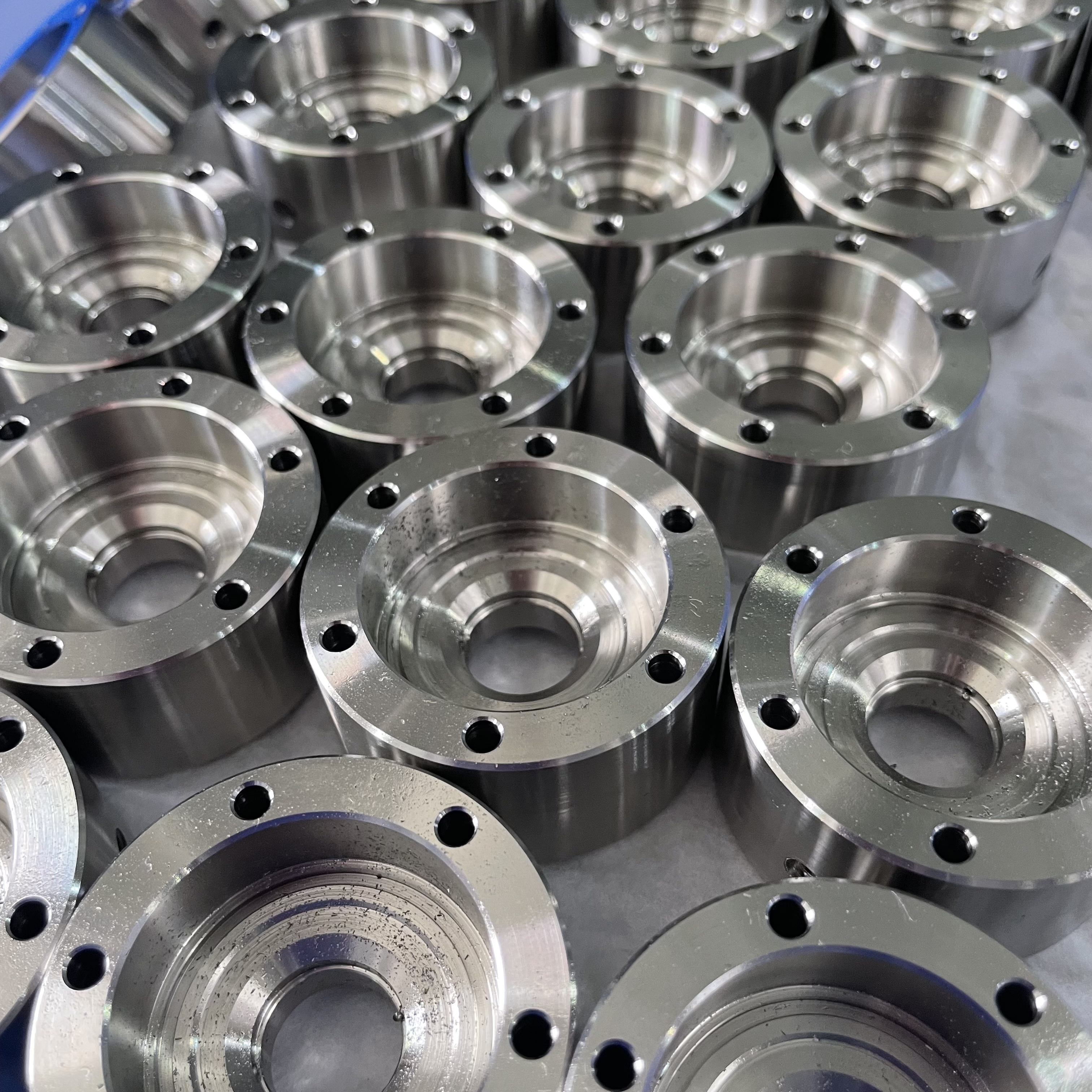
Your prototype holds unparalleled significance, and we deeply value its uniqueness. Collaborating with you during the preparation phase for running your prototype or parts is a commitment we gladly embrace. Whether it's a single part or a complex assembly, we are dedicated to selecting the optimal tools and pathways to bring your envisioned product to life.
At Precision Fab CNC Machining, we specialize in producing parts for prototypes, short runs, and high-volume production. Our prototyping machine capabilities extend across metal, plastic, and wood machining, with welding fabrication services available to complement and finalize your prototype if required.
Address
Address: Room320 10F, Building A,Nanshan international building, Dayawan District, Huizhou, Guangdong, 516001 China
Contacts
billy@timaycnc.com