Nickel-Based Alloys: Why They’re a Challenge for CNC Machining

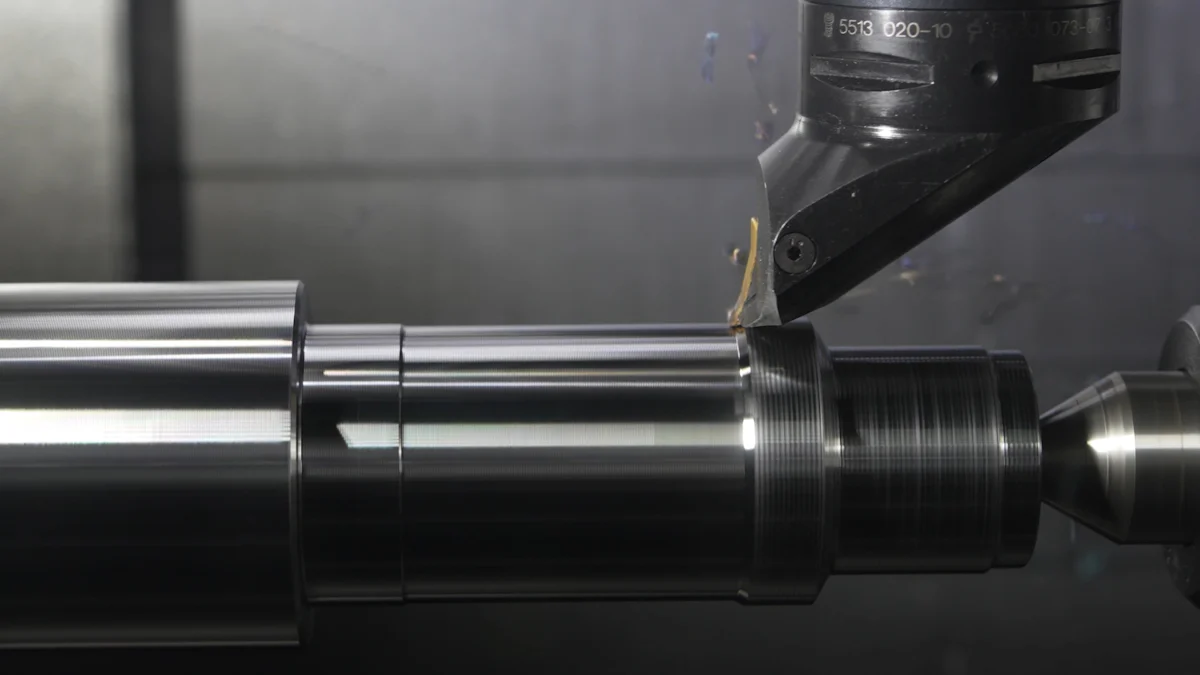
Nickel-based alloys play a vital role in industries requiring high-performance materials. Their exceptional strength and heat resistance make them indispensable for aerospace components like turbine blades and energy systems such as gas turbines and nuclear reactors. These alloys also resist corrosion, ensuring durability in harsh environments like offshore drilling and renewable energy systems. However, their unique properties create significant challenges during CNC machining. High cutting forces, rapid work hardening, and poor thermal conductivity lead to tool wear and heat buildup. Addressing these issues requires a deep understanding of the material's behavior and advanced machining strategies.
Key Takeaways
Nickel-based alloys are tough and resist heat, so they’re used in planes and energy tools.
Cutting these alloys needs special tools like carbide and ceramic to handle heat and last longer.
Cooling methods, like strong coolant sprays, are key to control heat and keep tools working well.
Adjusting cutting settings, like slower speeds and faster feed rates, stops hardening and makes cutting better.
Using ways to stop vibrations makes cutting steady, quieter, and gives smoother surfaces.
Material Properties of Nickel-Based Alloys
High Strength and Toughness
Resistance to deformation under cutting forces.
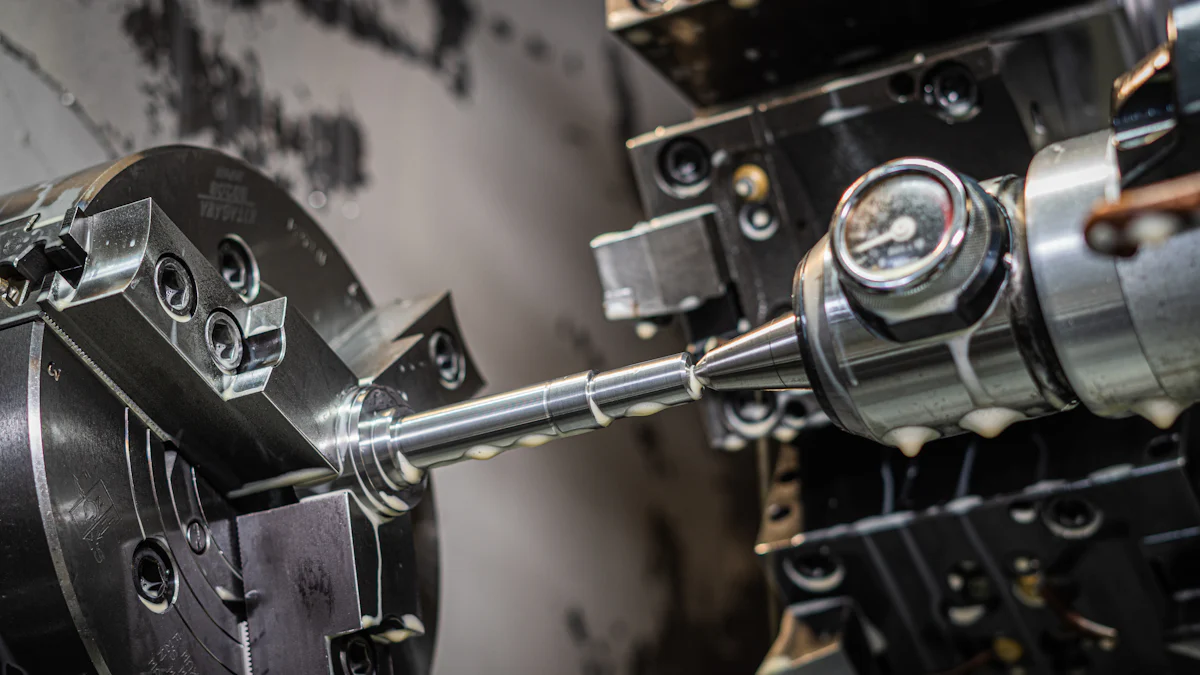
Nickel-based alloys exhibit exceptional strength and durability due to their unique composition. These materials combine nickel with elements like cobalt and tungsten, resulting in high tensile strength and toughness. The table below highlights the key mechanical properties that make these alloys resistant to deformation:
Property | Description |
|---|---|
Strength and Durability | Nickel-based alloys combine nickel with elements like cobalt and tungsten, enhancing mechanical properties, resulting in high tensile strength and toughness. |
Wear Resistance | These alloys are highly wear-resistant, and surface treatments like BoroCoat® enhance surface hardness, reducing wear and extending lifespan under stress. |
This resistance to deformation poses challenges during CNC machining. High cutting forces are required to penetrate the material, which increases tool wear and reduces efficiency.
Impact on cutting tool performance and wear.
The high strength of nickel-based alloys significantly impacts cutting tool performance.
Elevated temperatures during machining increase cutting forces, accelerating tool wear.
Work hardening occurs rapidly, making subsequent cuts more difficult.
Poor thermal conductivity concentrates heat at the cutting edge, further degrading tools.
Abrasive alloying elements cause additional wear.
Irregular chip formation complicates evacuation and risks tool damage.
These factors necessitate frequent tool changes, increasing downtime and costs.
Heat Resistance
Retains strength at high temperatures, increasing heat during machining.
Nickel-based alloys maintain their mechanical properties at extreme temperatures. Alloys like Inconel 718 and Inconel 625 can withstand up to 650°C (1200°F) and, in some cases, temperatures nearing 1000°C (1800°F). This heat resistance ensures durability in high-temperature environments but creates challenges during machining. The cutting zone experiences significant heat buildup, which can damage tools and the workpiece.
Challenges in dissipating heat effectively.
Dissipating heat during machining is difficult due to the low thermal conductivity of nickel-based alloys, which ranges between 11-16 W/mK. Heat concentrates near the cutting edge, increasing tool wear and risking thermal damage to the workpiece. Additionally, compressive and shearing forces during machining exacerbate heat management issues, making effective cooling strategies essential.
Work-Hardening Behavior
Becomes harder as it is machined, increasing cutting difficulty.
Nickel-based alloys harden rapidly at the cutting zone due to heat and mechanical stresses. This work-hardening effect increases resistance to subsequent cuts, slows machining progress, and accelerates tool wear. High pressures during machining can also lead to warping in smaller parts, complicating precision work.
Requires precise cutting parameters to avoid excessive hardening.
Minimizing work-hardening effects requires careful selection of cutting parameters. Machinists should use tools with positive rake angles and sharp edges. Rigid setups are essential to handle the toughness of these materials. Aggressive feeds and speeds can help reduce work-hardening, ensuring smoother machining operations.
Challenges in CNC Machining Nickel-Based Alloys
Rapid Tool Wear
High cutting forces and heat accelerate tool degradation.
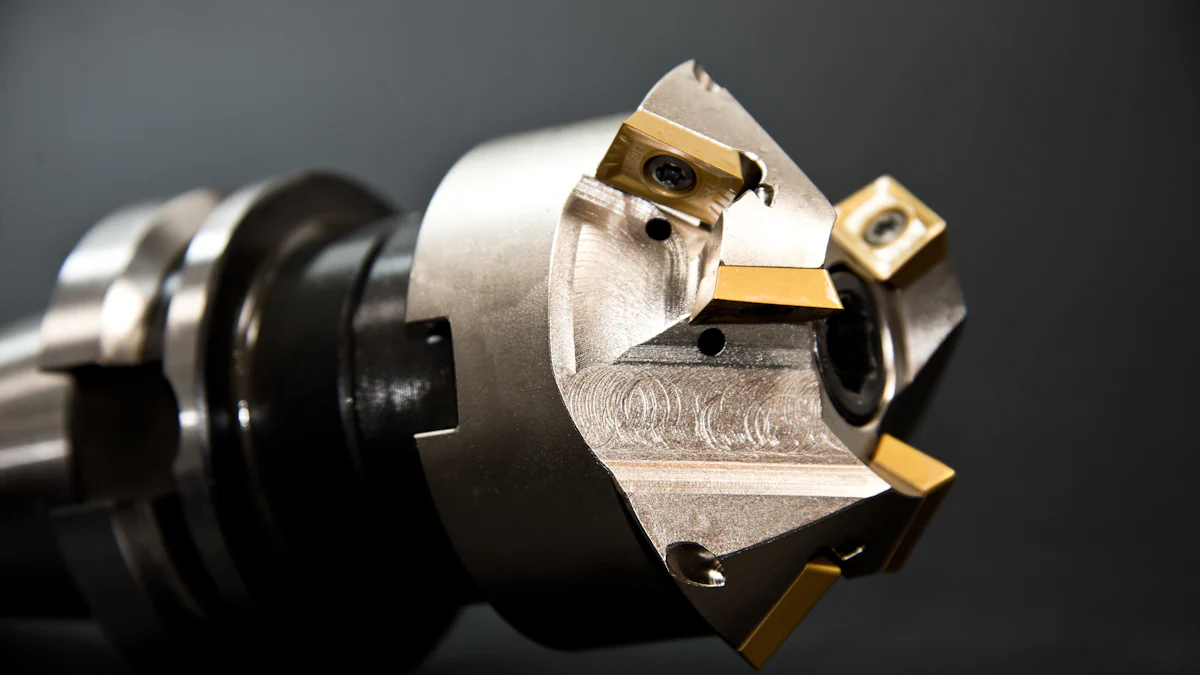
Nickel-based alloys present unique challenges due to their high strength at elevated temperatures. This property increases cutting forces, which accelerates tool wear. Poor thermal conductivity further compounds the issue by concentrating heat at the cutting edge. Abrasive alloying elements, such as tungsten and cobalt, also contribute to rapid tool degradation. Additionally, irregular chip formation complicates chip evacuation, leading to recutting and potential tool damage. These factors make machining nickel-based alloys particularly demanding on cutting tools.
Frequent tool changes increase downtime and costs.
Frequent tool wear disrupts machining operations, increasing downtime and costs. Dull tools often produce poor surface finishes, requiring rework or scrapping of parts. In high-precision applications, this can lead to severe quality issues. Each tool replacement adds to production expenses, while worn tools pose safety risks to operators and equipment. These challenges highlight the importance of selecting durable tools and optimizing machining parameters.
Heat Generation
Poor thermal conductivity leads to heat buildup at the cutting zone.
Nickel-based alloys exhibit low thermal conductivity, which causes heat to accumulate near the cutting zone. This heat buildup accelerates tool wear and risks thermal damage to the workpiece. Excessive heat can also lead to material expansion, resulting in dimensional inaccuracies. Effective cooling strategies are essential to mitigate these issues and maintain machining efficiency.
Risk of thermal damage to both the tool and the workpiece.
Concentrated heat near the cutting edge can cause undesirable metallurgical changes in the workpiece. Tools may fail prematurely due to thermal stress, while the workpiece may experience surface tearing or smearing. These risks emphasize the need for advanced cooling techniques and precise control of machining conditions.
Precision Issues
Material toughness resists fine cutting, affecting surface finish.
The toughness of nickel-based alloys makes achieving a fine surface finish challenging. High cutting forces can cause chatter and vibration, leading to irregularities on the workpiece. Work hardening further complicates precision machining by increasing resistance to subsequent cuts. These factors demand careful tool selection and stable setups to achieve desired results.
Workpiece distortion due to heat and cutting forces.
Heat generation and mechanical stresses during machining can distort the workpiece. Smaller components are particularly prone to warping due to rapid work hardening. Even under optimal conditions, machining stresses can induce dimensional inaccuracies. Addressing these issues requires rigid setups and optimized cutting parameters to minimize distortion.
Strategies for CNC Machining Nickel-Based Alloys
Specialized Cutting Tools
Carbide or ceramic tools designed for high-temperature machining.
Selecting the right cutting tools is critical when machining nickel-based alloys. Carbide and ceramic tools excel in high-temperature environments due to their hardness and heat resistance. These tools maintain their cutting edge under extreme conditions, ensuring consistent performance.
Tool Type | Advantages |
|---|---|
Carbide Tools | High cutting rates, hardness, heat resistance, effective chip control. |
Ceramic Tools | Speed, durability, optimized for high-speed machining applications. |
Carbide tools are ideal for applications requiring precision and durability, while ceramic tools perform well in high-speed machining. Both options reduce tool wear and improve efficiency.
Coated tools to reduce friction and improve wear resistance.
Coated tools enhance machining performance by reducing friction and heat generation. Coatings like titanium aluminum nitride (TiAlN) or aluminum chromium nitride (AlCrN) resist wear and abrasion, extending tool life. These coatings also improve chip evacuation, preventing work hardening and ensuring smoother operations.
Optimized Cutting Parameters
Lower cutting speeds to reduce heat and tool wear.
Machining nickel-based alloys requires careful control of cutting speeds. Lower speeds reduce heat buildup, preventing the cutting edge from softening and dulling. For turning operations, speeds between 50 and 200 surface feet per minute (sfm) are recommended, depending on the material group. This approach enhances tool life and minimizes thermal damage to the workpiece.
Higher feed rates to minimize work-hardening effects.
Higher feed rates help reduce the risk of work hardening by ensuring efficient material removal. For drilling, steady feed rates and tools like stub drills or cobalt-bearing high-speed steel drills improve tool longevity. Reaming operations benefit from feed rates of 0.0015" to 0.004" per flute per revolution, ensuring precision and smooth finishes.
Advanced Cooling Techniques
High-pressure coolant systems to dissipate heat effectively.
Effective cooling is essential for managing heat during machining. High-pressure coolant systems deliver coolant directly to the cutting edge, improving heat dissipation and chip evacuation. This approach reduces tool wear and prevents thermal damage to the workpiece, ensuring consistent machining quality.
Cryogenic cooling for extreme temperature control.
Cryogenic cooling uses liquid nitrogen to achieve extremely low temperatures during machining. This method significantly reduces tool wear and enhances precision by minimizing thermal expansion. While cryogenic cooling requires specialized equipment, it offers superior temperature control, making it ideal for high-performance applications. However, machinists must account for thermal stability before resuming operations to maintain tolerances.
Modern Machining Technologies
Use of adaptive CNC systems for real-time adjustments.
Adaptive CNC systems represent a significant advancement in machining technology. These systems use sensors and software to monitor machining conditions in real time. They adjust cutting parameters dynamically to maintain optimal performance. For example, when machining nickel-based alloys, adaptive systems can detect changes in cutting forces or heat buildup. The system then modifies feed rates or spindle speeds to prevent tool wear and ensure precision.
This technology improves machining efficiency by reducing downtime caused by tool failure or material inconsistencies. It also enhances the quality of the finished product by maintaining consistent cutting conditions. Adaptive CNC systems are particularly valuable when working with challenging materials like nickel-based alloys, where precision and tool longevity are critical.
Implementation of vibration-damping techniques for stability.
Vibration-damping techniques play a crucial role in stabilizing machining operations. These methods absorb and dissipate vibrations, reducing chatter and improving overall performance. Chatter, a common issue when machining tough materials, can compromise surface finish and dimensional accuracy. By minimizing vibrations, machinists can achieve smoother cuts and higher precision.
Several tools and components are designed specifically for vibration damping. Modular vibration-damping devices, such as the BIG DAISHOWA Smart Damper, integrate advanced mechanisms into tool holders. These dampers act as dynamic counters and friction dampers, instantly absorbing vibrations. This eliminates chatter, enhances machining accuracy, and improves surface finishes. Additionally, these tools boost productivity by allowing higher cutting speeds without sacrificing stability.
The integration of vibration-damping techniques into CNC machining setups ensures better results when working with nickel-based alloys. These methods not only improve machining accuracy but also extend tool life by reducing stress on cutting edges.
Nickel-based alloys remain essential for high-performance applications, but their unique properties create significant machining challenges. These include high strength at elevated temperatures, work hardening, and poor thermal conductivity, which lead to rapid tool wear, heat buildup, and precision difficulties. Addressing these issues requires machinists to adopt specialized tools, optimize cutting parameters, and implement advanced cooling techniques.
To improve efficiency and achieve superior results, machinists should focus on understanding the material’s behavior, ensuring stable machine setups, and using high-performance tools with coatings like TiAlN. Regular tool inspection and effective coolant application also play a critical role. By combining these strategies, CNC Machining of nickel-based alloys can become more efficient and reliable.
FAQ
What makes nickel-based alloys difficult to machine?
Nickel-based alloys resist deformation, retain strength at high temperatures, and harden during machining. These properties increase cutting forces, heat buildup, and tool wear. Their low thermal conductivity further complicates heat dissipation, making precision machining challenging.
Which tools work best for machining nickel-based alloys?
Carbide and ceramic tools perform well due to their hardness and heat resistance. Coated tools, such as those with titanium aluminum nitride (TiAlN), reduce friction and improve wear resistance. These tools ensure durability and efficiency during machining.
How can machinists manage heat buildup?
High-pressure coolant systems and cryogenic cooling effectively dissipate heat. These methods prevent thermal damage to tools and workpieces. Proper cooling strategies also improve machining precision and extend tool life.
Why do nickel-based alloys cause rapid tool wear?
Nickel-based alloys generate high cutting forces and heat, which degrade tools quickly. Abrasive alloying elements and irregular chip formation further accelerate wear. Frequent tool changes become necessary, increasing downtime and costs.
What strategies improve machining precision?
Stable setups, vibration-damping techniques, and adaptive CNC systems enhance precision. These methods reduce chatter, minimize distortion, and maintain consistent cutting conditions. Optimized cutting parameters also help achieve smoother finishes and dimensional accuracy.
See Also
Benefits of Utilizing Aluminum CNC Machining Services Today
CNC Machining Aluminum Alloys 6061 and 7075: A 2024 Overview
Achieving Best Results with NC Milling and CNC Engraving
CNC Machining Process and Uses for Aluminum Alloy 7075
Addressing Temperature Issues in CNC Precision Parts Manufacturing
About US
Follow Us
Your prototype holds unparalleled significance, and we deeply value its uniqueness. Collaborating with you during the preparation phase for running your prototype or parts is a commitment we gladly embrace. Whether it's a single part or a complex assembly, we are dedicated to selecting the optimal tools and pathways to bring your envisioned product to life.
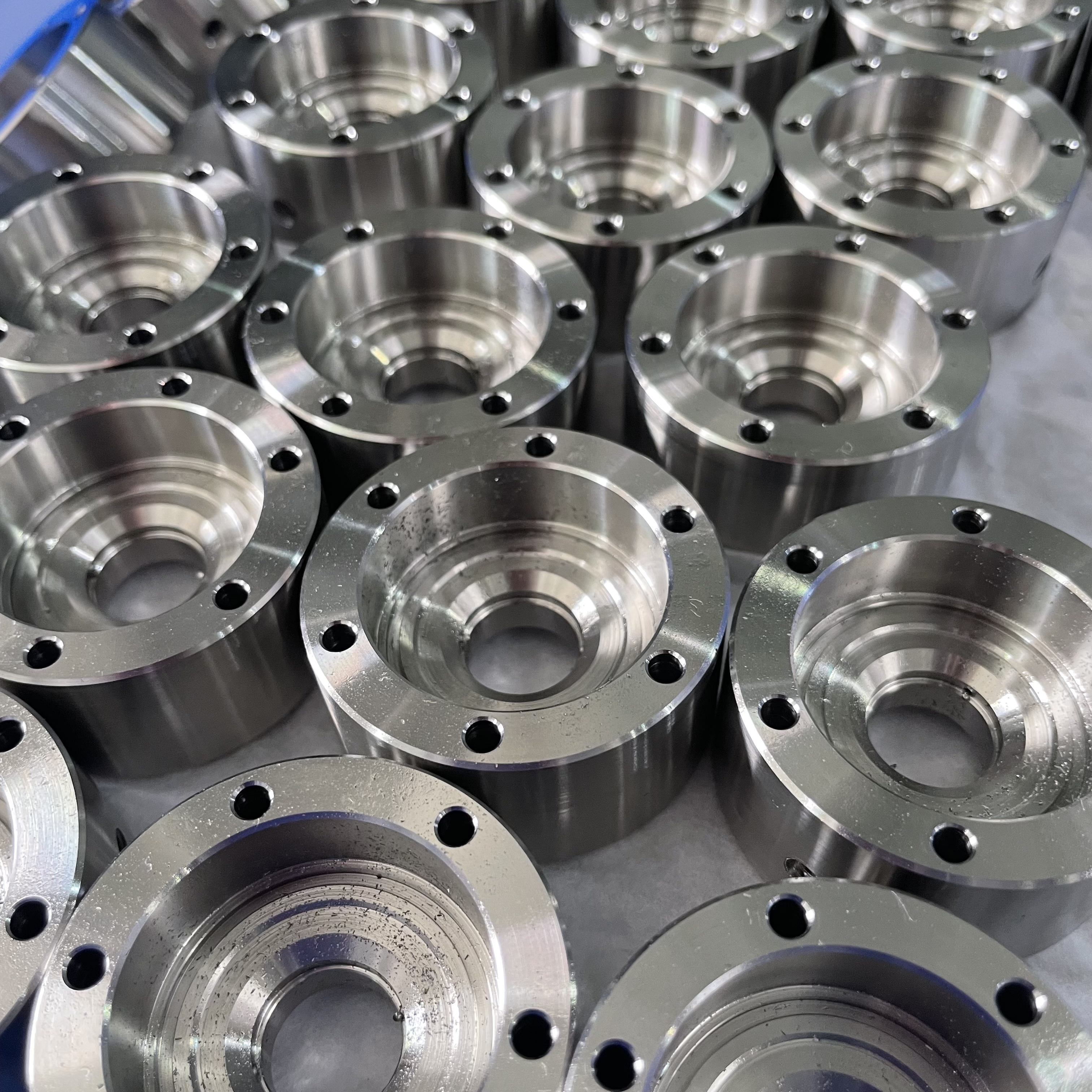
At Precision Fab CNC Machining, we specialize in producing parts for prototypes, short runs, and high-volume production. Our prototyping machine capabilities extend across metal, plastic, and wood machining, with welding fabrication services available to complement and finalize your prototype if required.
Address
Address: Room320 10F, Building A,Nanshan international building, Dayawan District, Huizhou, Guangdong, 516001 China
Contacts
billy@timaycnc.com