Polishing Aluminum Components for High-End Finishes

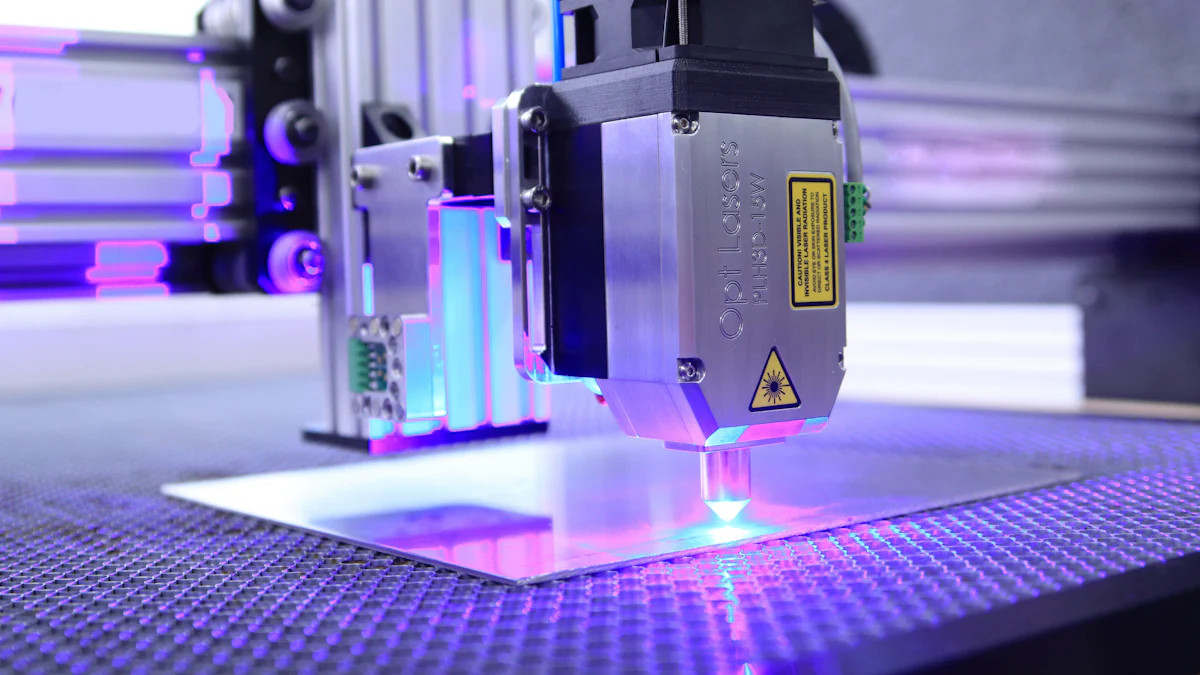
Achieving a high-end finish on aluminum enhances both its appearance and usability. Polished aluminum products stand out with their refined look, whether they feature a mirror-like shine or a textured surface that improves grip and hides fingerprints. However, polishing aluminum presents challenges. Its softness makes it prone to scratches, while oxidation can dull the surface if left unprotected. Addressing these issues requires precise techniques and tools, especially for CNC Machining components, where consistency and quality are critical.
Key Takeaways
To get a shiny finish on aluminum, clean it well. Sand it step by step, then buff and polish it. Seal it to stop rusting.
Use proper tools like spinning polishers and buffing pads. These help make polishing faster and better.
Keep it shiny by cleaning often and adding protective layers. This stops rust and keeps the aluminum looking good.
Characteristics of Aluminum and Why Polishing Matters
Unique Properties of Aluminum
Aluminum stands out as a versatile material, making it ideal for high-end finishes. Its polished surfaces provide a sophisticated and eye-catching appearance, often used in decorative items and luxury components. The metal’s highly reflective nature gives products a clean, premium look, perfect for applications where aesthetics matter.
Property | Benefit |
|---|---|
Corrosion Resistance | Protects against moisture and corrosive substances, enhancing longevity. |
Durability | Scratch resistance and longevity make it ideal for high-traffic areas. |
Aesthetic Versatility | Offers a range of visual effects, from high gloss to matte finishes. |
Anodizing further enhances aluminum’s natural oxide layer, improving its corrosion resistance and allowing for a variety of colors. This process is widely used in architectural designs and consumer electronics, ensuring both protection and an attractive finish. Whether you’re working on CNC machining components or decorative pieces, aluminum’s properties make it a top choice for achieving polished, high-end results.
Challenges in Polishing Aluminum Components
Polishing aluminum comes with unique challenges due to its softness and susceptibility to oxidation. Swirl marks often appear when skipping intermediate grits during sanding, leaving visible circular lines. Overheating caused by excessive pressure or speed can discolor the surface. Additionally, aluminum oxidizes quickly when exposed to air, resulting in a dull, grayish finish if not sealed promptly.
Challenge | Possible Cause | Common Indicator | Recommended Fix |
|---|---|---|---|
Swirl Marks | Skipping intermediate grits | Visible circular lines | Use progressive grits, consistent strokes |
Overheating | Excessive pressure or speed | Surface discoloration | Add lubricant, reduce tool RPM |
Surface Oxidation | Delayed sealing or humidity | Grayish or dull finish | Seal quickly or store in a dry space |
To overcome these issues, you must adopt precise techniques and use the right tools. Progressive sanding, proper lubrication, and immediate sealing are essential steps to ensure a flawless finish. By addressing these challenges, you can achieve consistent results when polishing aluminum.
How to Polish Aluminum: Best Practices
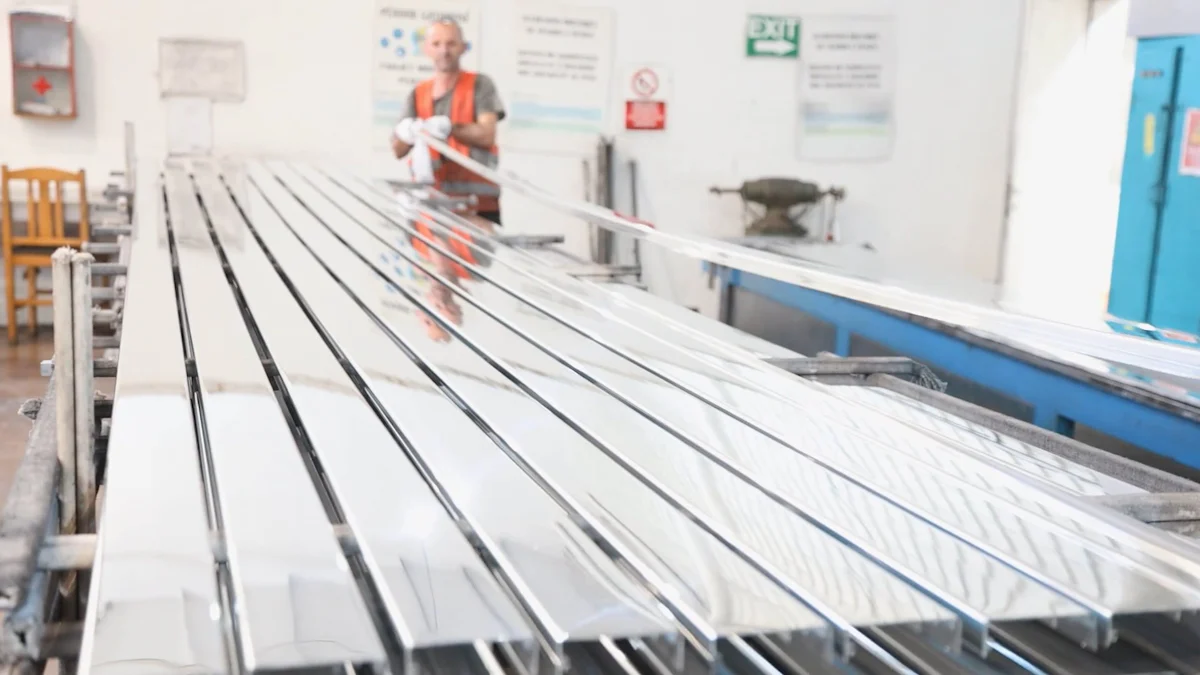
Preparing the Surface for Polishing
Proper preparation is the foundation of achieving a flawless mirror finish on aluminum parts. Follow these essential steps to ensure the surface is ready for polishing:
Cleaning: Remove dirt, grease, and corrosion using a degreaser or mild detergent. Rinse thoroughly and dry the surface.
Sanding: Use coarse grit sandpaper (220 or 320 grit) to eliminate scratches and imperfections. Gradually progress to finer grits (up to 3000 grit) for a smooth base.
Buffing: Buff the surface with a buffing wheel or pad to refine it further.
Polishing: Apply aluminum polish to enhance the shine and prepare for the final step.
Residue Removal and Final Touches: Wipe away residue with a microfiber cloth and apply a protective layer to prevent oxidation.
Tip: Always wear gloves, safety goggles, and a dust mask during preparation to protect yourself from particles and fumes.
Hand Polishing Techniques for Polished Aluminum
Hand polishing is ideal for small or intricate aluminum components. Use these techniques to achieve a stunning mirror finish:
Sanding: Start with coarse grit sandpaper to remove oxidation, then progress to finer grits. Wet sanding improves smoothness and reduces dust.
Buffing: Apply a coarse buffing compound with a soft cloth or buffing wheel. Work in circular motions, then switch to finer compounds for a brilliant shine.
Polishing: Use aluminum polish with a soft cloth, rubbing in multiple directions to enhance the luster.
Residue Removal: Sprinkle cornstarch on a towel to remove polish residue, then clean with a microfiber cloth.
Pro Tip: Use cotton rounds for the final polishing step. This avoids crosshatch patterns and ensures a smooth, reflective surface.
Machine Polishing Techniques for CNC Machining Components
Machine polishing is essential for larger aluminum parts or CNC machining components. It delivers consistent results and saves time. Use these steps for optimal outcomes:
Sanding: Equip an orbital sander with progressive grits to remove imperfections and prepare the surface.
Buffing: Attach a buffing wheel to a rotary polisher. Start with a cutting compound to remove deep scratches, then switch to a coloring compound for a mirror finish.
Polishing: Apply aluminum polish with a polishing pad. Use a variable-speed polisher to control the RPM and avoid overheating.
Final Touches: Wipe the surface with a clean cloth to remove residue and inspect for uniformity.
Note: Machine polishing is faster and more effective for severe surface issues but may lack the precision of hand polishing in tight spaces.
Recommended Tools and Products for Polishing Aluminum
Using the right tools and products ensures efficiency and quality. Here are some recommendations:
Tool/Product | Description | Effectiveness Level |
|---|---|---|
Rotary Polisher | Best for experienced users; high RPM for efficient work. | High |
Random Orbital Sander | Essential for sanding imperfections; used by professionals. | High |
Buffing Wheels | Different types for cutting, coloring, and final polishing stages. | Varies by type |
Polishing Compounds | Various compounds for different polishing stages. | High |
Safety Equipment | Gloves, goggles, and masks to protect against dust and particles. | Necessary |
Eco-Friendly Tip: Opt for water-based compounds and wet polishing systems to minimize environmental impact.
Sealing and Protecting Polished Aluminum
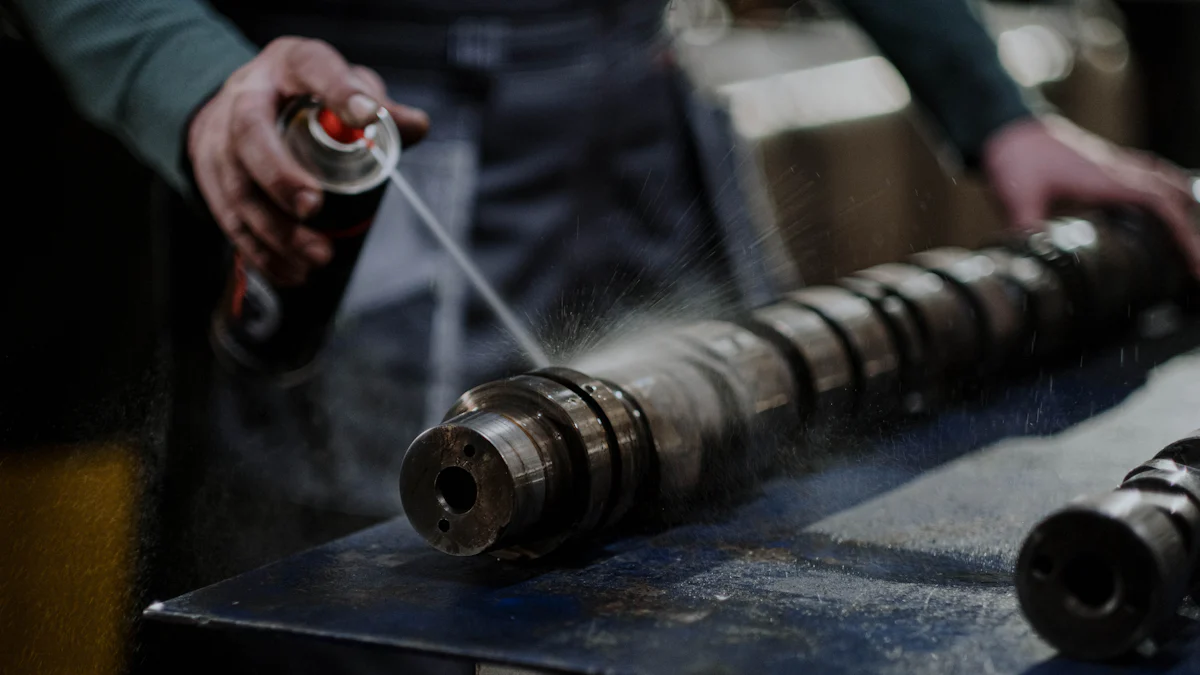
Importance of Sealing the Surface
Sealing the surface of polished aluminum is essential to preserve its appearance and functionality. Without proper sealing, the metal becomes vulnerable to oxidation, which can dull its shine and compromise its durability. A sealed surface acts as a barrier, protecting the aluminum from environmental factors like moisture, dirt, and UV rays. This step ensures that your polished aluminum maintains its reflective finish and resists wear over time.
You should always seal the surface immediately after polishing to prevent oxidation. Delaying this step can lead to a grayish or tarnished appearance. Whether you choose a clear coat, ceramic coating, or powder coating, sealing enhances the longevity of the finish and reduces the need for frequent maintenance.
Ceramic Coating vs. Clear Coating for Polished Aluminum
When sealing polished aluminum, ceramic and clear coatings are two popular options. Each offers unique benefits depending on your needs.
Ceramic Coating: This advanced option provides superior protection against scratches, oxidation, and UV damage. It creates a hydrophobic layer, making the surface resistant to water and dirt. Ceramic coatings are ideal for high-performance applications where durability is critical.
Clear Coating: Clear coats are easier to apply and offer a glossy finish that enhances the aluminum's natural shine. They provide basic protection against oxidation and minor scratches, making them suitable for decorative or low-impact uses.
Choose ceramic coating for maximum durability or clear coating for a cost-effective, aesthetic solution.
Powder Coating for Long-Term Protection
Powder coating is an excellent choice for long-term protection of polished aluminum. This method involves applying a dry powder to the surface using an electrostatic process, followed by curing it under heat. The result is a durable, uniform finish that resists chipping, scratching, and corrosion.
Advantages of Powder Coating:
Enhanced Durability and Corrosion Resistance: Creates a tough barrier against moisture and wear.
Aesthetic Appeal and Customization: Offers a variety of colors and finishes, ensuring lasting visual appeal.
Sustainable and Cost-Effective Solution: Reduces waste and maintenance costs due to its durability.
Minimal Upkeep Required: Resists dirt, chemicals, and weathering, requiring little maintenance.
Protection Against Sunlight: Prevents fading or degradation from UV exposure.
Specification | Benefit |
|---|---|
Electrostatic application process | Ensures even and complete coverage of the aluminum surface. |
Enhanced durability | Provides a tough finish that resists chipping, scratching, and wear. |
Corrosion resistance | Creates a barrier preventing moisture and corrosive elements from reaching the metal. |
Aesthetic appeal | Offers a wide range of color options and finishes, maintaining visual appeal over time. |
UV resistance | Protects against degradation and fading from sunlight exposure. |
Versatile performance | Enhances aluminum's properties without compromising its inherent qualities. |
Powder coating not only protects polished aluminum but also enhances its appearance and performance in harsh conditions. Its eco-friendly nature and minimal maintenance requirements make it a sustainable choice for long-term use.
Maintenance Tips for Polished Aluminum
Cleaning Techniques to Preserve the Finish
Regular cleaning is essential to maintain the brilliance of polished aluminum. Dirt and grime can accumulate over time, dulling the surface and making it harder to restore its shine. Start by using a mild detergent mixed with water to clean the surface. Rinse thoroughly and dry with a soft cloth to prevent water spots. For tougher buildup, consider using a commercial pre-cleaning product or a stiff wire brush to remove contaminants effectively.
To keep your aluminum items looking their best, you can use a clear coat or wax for aluminum to create a protective barrier. This will help prevent oxidation and keep the metal looking shiny for longer.
Follow these steps to preserve the finish:
Clean the metal with a mild detergent, rinse, and dry thoroughly.
Sand the surface lightly if needed, using protective gear to avoid damage.
Polish the aluminum with a natural compound made from equal parts water and white vinegar or cream of tartar.
Additionally, store polished items in a dry environment to minimize exposure to moisture, which can cause oxidation. Regular cleaning ensures that you catch early signs of oxidation before they worsen.
Preventing Oxidation and Scratches on Polished Aluminum
Preventing oxidation and scratches is crucial to maintaining the reflective finish of polished aluminum. After polishing, apply a clear coat or aluminum-specific sealant to create a protective layer. This barrier prevents corrosion and helps the surface retain its shine. For long-term storage, keep aluminum indoors in a clean, dry environment. Ensure the area is free from dust and contaminants, and avoid contact with other materials that may scratch the surface.
Consider applying a protective coating after buffing to maintain the polished finish. This helps prevent oxidation and prolongs the shine.
To further protect the surface:
Lightly oil the aluminum if you plan to store it for extended periods.
Store items vertically to promote air circulation and prevent moisture buildup.
Clean regularly to remove dust and dirt that can cause micro-scratches.
By following these steps, you can prevent oxidation and avoid the need to restore shine dull aluminum surfaces frequently.
Achieving a high-end finish on aluminum involves five key steps:
Cleaning: Eliminate contaminants with mild soap and hot water.
Sanding: Gradually refine the surface using progressive grits.
Buffing: Enhance smoothness with buffing compounds.
Polishing: Achieve a reflective finish with polish.
Final Touches: Apply a protective layer to prevent oxidation.
Use a clear coat or aluminum-specific sealant to protect the polished surface. Regular cleaning ensures early detection of oxidation. Hand polishing offers precision, while power tools save time. Always prepare the surface thoroughly to achieve a mirror-like finish.
By following these steps and tips, you can maintain the brilliance and durability of polished aluminum.
FAQ
How can you remove oxidation from aluminum before polishing?
Use a mild acid like white vinegar or a commercial aluminum cleaner. Apply it with a soft cloth, then rinse and dry thoroughly.
What is the best way to avoid swirl marks during polishing?
Progress through sanding grits systematically. Avoid skipping grits and use consistent, even strokes. This ensures a smooth, swirl-free finish.
Can you polish aluminum without using a machine?
Yes, hand polishing works well for small or intricate parts. Use sandpaper, buffing compounds, and aluminum polish with a soft cloth for excellent results.
See Also
Top Strategies for Achieving Scratch-Free CNC Machining
Improving Precision Manufacturing Through Surface Finishing Solutions
A Guide to Anodizing CNC Machined Aluminum Heat Sinks
Exploring CNC Machining Techniques for Aluminum Alloy 7075
Expert Insights on Surface Treatments for CNC Machined Parts
About US
Follow Us
Your prototype holds unparalleled significance, and we deeply value its uniqueness. Collaborating with you during the preparation phase for running your prototype or parts is a commitment we gladly embrace. Whether it's a single part or a complex assembly, we are dedicated to selecting the optimal tools and pathways to bring your envisioned product to life.
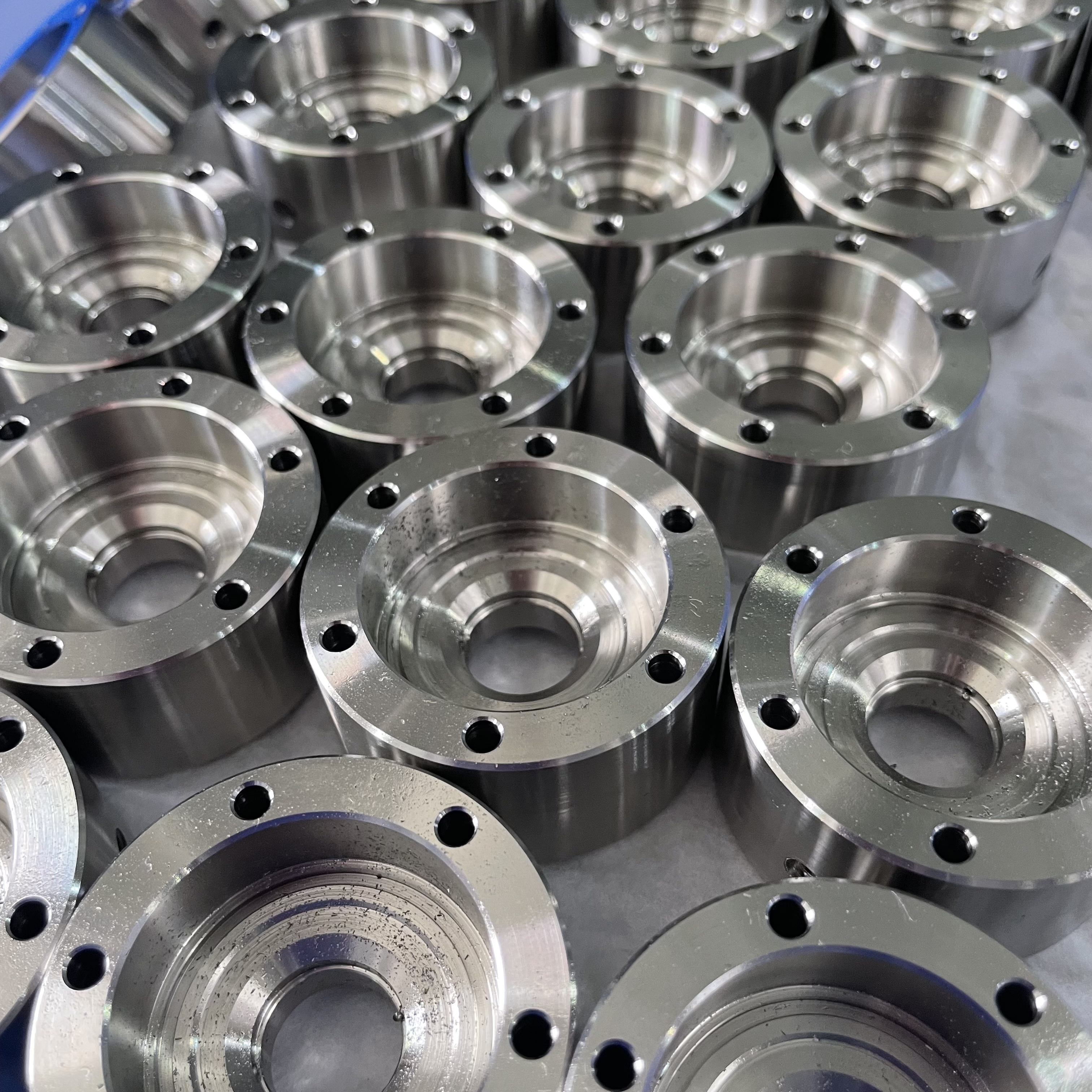
At Precision Fab CNC Machining, we specialize in producing parts for prototypes, short runs, and high-volume production. Our prototyping machine capabilities extend across metal, plastic, and wood machining, with welding fabrication services available to complement and finalize your prototype if required.
Address
Address: Room320 10F, Building A,Nanshan international building, Dayawan District, Huizhou, Guangdong, 516001 China
Contacts
billy@timaycnc.com