Polishing Aluminum Parts: CNC Surface Finishing Options

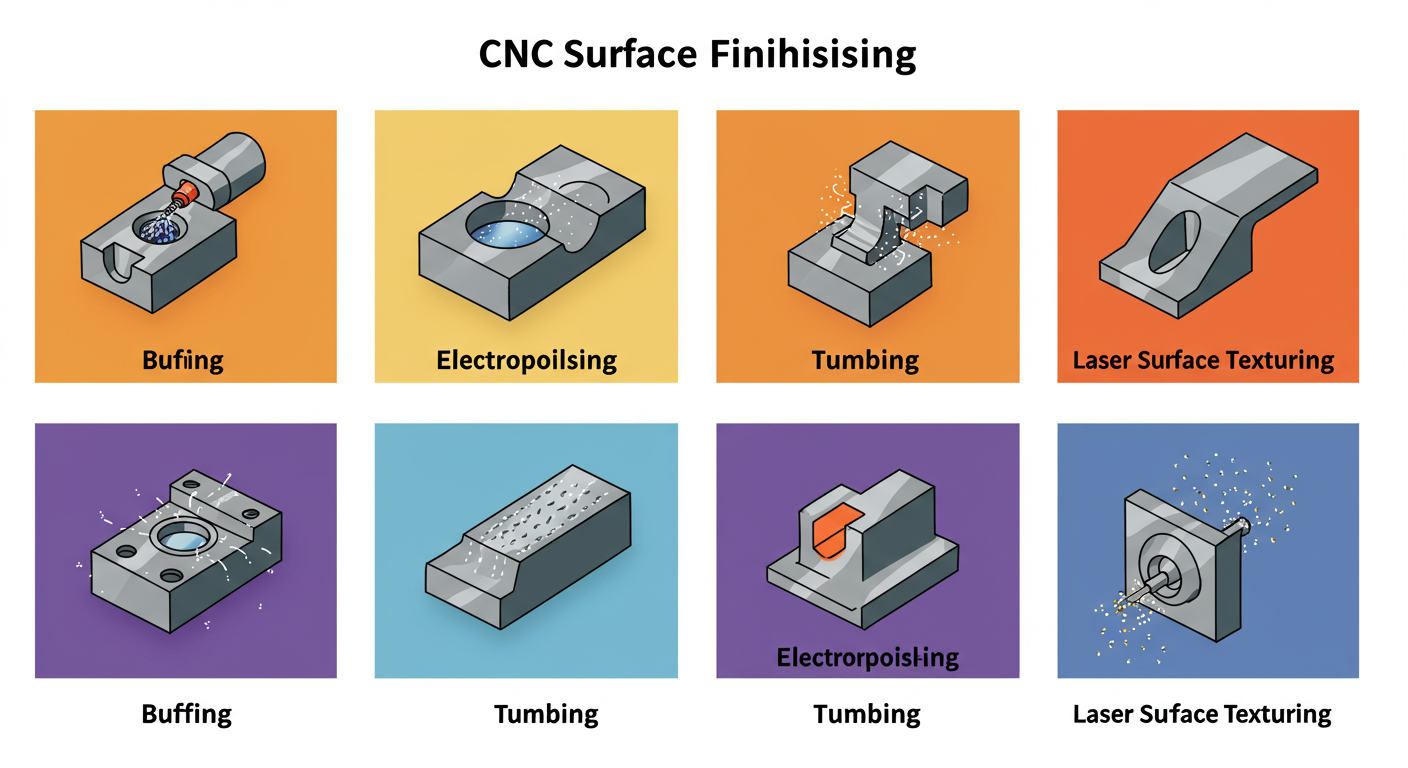
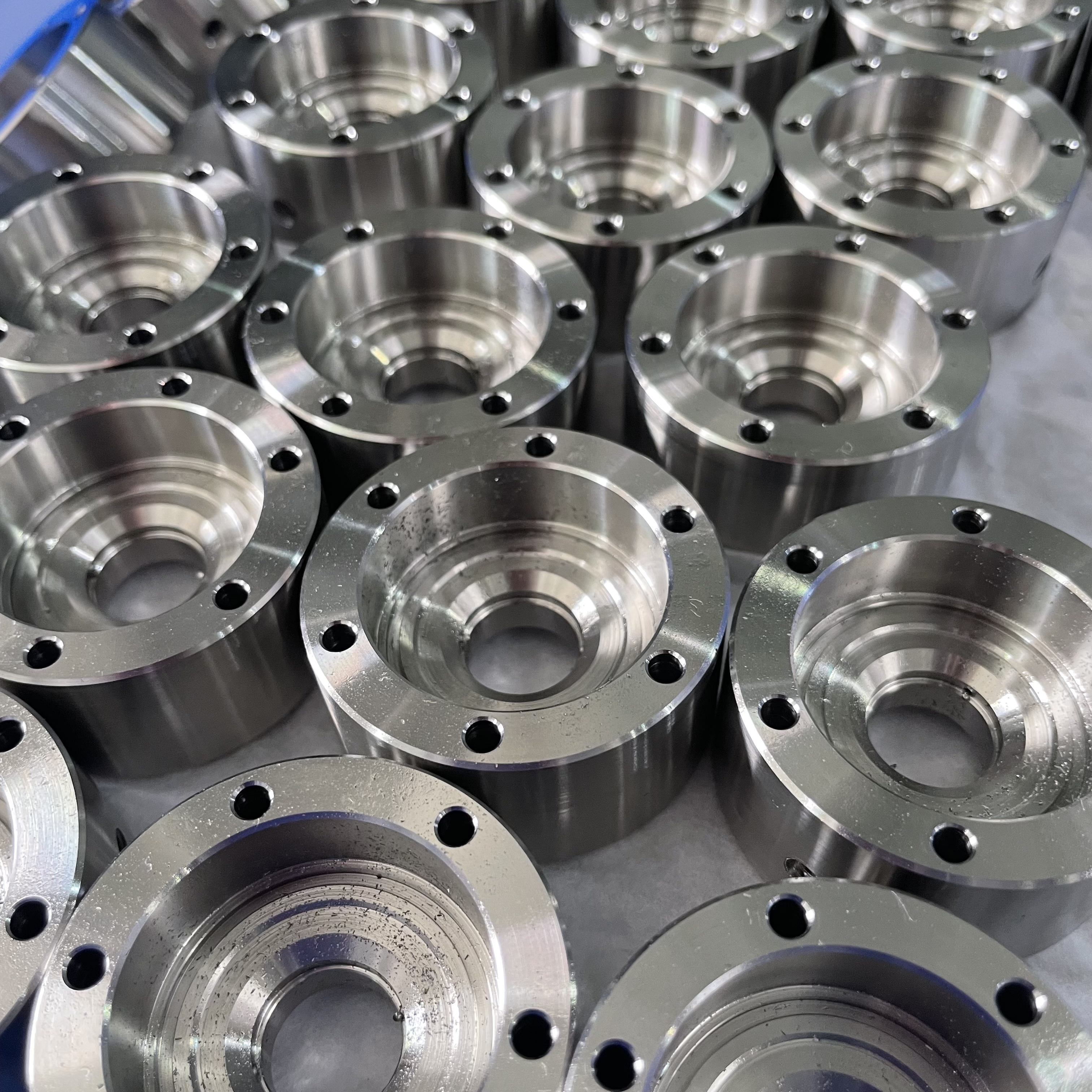
Polishing aluminum parts plays a vital role in CNC machining. It transforms raw, machined surfaces into smooth, refined finishes that meet both aesthetic and functional demands. Polished surfaces improve cleanliness by eliminating burrs and irregularities, making them easier to maintain. They also enhance corrosion resistance, reducing the risk of oxidation in harsh environments.
Surface finishes elevate the appearance of aluminum parts, giving them a sleek, professional look. They also improve functionality by reducing friction, increasing wear resistance, and extending the lifespan of components. Whether for consumer products or industrial applications, polished aluminum parts deliver superior performance and visual appeal.
Key Takeaways
Polishing aluminum makes it look shiny and professional.
A smooth surface stops rust and keeps aluminum lasting longer.
Using proper tools is key for a good finish; buffing wheels and pads help a lot.
Clean often and use coatings to keep aluminum shiny and strong.
Pick a polishing method that fits your project; hand polishing works for small parts, and machines are better for big jobs.
What Is Polishing and Its Relevance to CNC Machined Aluminum Parts?
Definition of Polishing
Polishing is a surface finishing process that reduces surface roughness and creates a bright, smooth finish. It uses mechanical, chemical, or electrochemical methods to refine the surface of materials like aluminum. Tools such as buffing wheels and abrasive particles play a key role in this machining technique. For CNC machined aluminum parts, polishing ensures a flawless surface that meets both functional and aesthetic requirements.
Importance of Polishing for Aluminum
Unique Properties of Aluminum
Aluminum stands out for its lightweight nature, excellent corrosion resistance, and high thermal conductivity. These properties make it a popular choice for various industries. However, its surface can be prone to scratches and oxidation. Polishing aluminum enhances its durability and appearance, ensuring it performs well in demanding environments. This process also improves chemical resistance, reduces friction, and eliminates surface imperfections, making aluminum parts more efficient and long-lasting.
Common Applications of Polished Aluminum Parts
Polished aluminum surfaces are widely used across industries. In automotive manufacturing, they add a sleek, reflective finish to vehicle components. In aerospace, polished aluminum ensures reduced friction and improved performance. Consumer electronics often feature polished aluminum for its modern, high-end appearance. Additionally, industries like healthcare and food processing rely on polished aluminum for its easy-to-clean and disinfect surfaces. Whether for functional or decorative purposes, polishing aluminum parts elevates their value and usability.
Benefits of Polishing Aluminum Parts
Enhanced Aesthetics
Achieving a Mirror-Like Finish
Polishing aluminum transforms dull, rough surfaces into sleek, reflective finishes. This process smooths out imperfections, creating a mirror-like appearance that enhances the metal's glossiness. Whether you're working on CNC machined aluminum parts for consumer electronics or decorative components, this level of refinement elevates the overall quality of the product. Polished aluminum surfaces also exhibit improved reflective properties, making them ideal for optical applications or designs requiring high visual impact.
Improving the Visual Appeal of CNC Parts
A polished aluminum surface not only looks professional but also feels premium. By eliminating irregularities, polishing enhances the uniformity of the finish, giving your parts a clean and modern appearance. Additionally, polished surfaces resist dirt and grime, making them easier to clean and maintain. This ensures your CNC parts retain their aesthetic appeal over time, even in demanding environments.
Improved Corrosion Resistance
Reducing Surface Imperfections
Polishing aluminum removes oxidation layers, burrs, and other impurities that can weaken the metal. This surface finishing process creates a dense oxide film, which acts as a protective barrier against corrosion. By addressing these imperfections, you ensure your aluminum parts remain durable and resistant to environmental damage.
Protection Against Environmental Factors
Polished aluminum surfaces are better equipped to handle outdoor conditions. The polishing process enhances the metal's natural corrosion resistance, making it less susceptible to moisture, salt, and other environmental factors. This is particularly beneficial for applications in industries like aerospace or automotive, where exposure to harsh elements is common.
Increased Durability
Smoother Surfaces for Reduced Friction
Polishing reduces surface roughness, which lowers the friction coefficient of aluminum parts. This smoother finish minimizes wear and tear when the parts interact with other components. For CNC applications, this means improved efficiency and reduced maintenance needs.
Prolonging the Lifespan of Aluminum Components
By improving surface smoothness and corrosion resistance, polishing extends the lifespan of aluminum parts. The dense oxide layer formed during the process protects the metal from degradation, ensuring it performs reliably over time. Whether you're using aluminum in industrial machinery or consumer products, polished finishes contribute to long-term durability and functionality.
Tools and Materials for Polishing Aluminum Parts
Essential Tools
Buffing Wheels and Polishing Pads
Buffing wheels and polishing pads are indispensable for polishing aluminum. These tools, often made from materials like cotton, sisal, or felt, work with polishing compounds to refine the surface. Buffing wheels are ideal for achieving consistent results on large areas, while polishing pads help you target smaller or intricate sections. Both tools ensure a smooth and even finish, enhancing the appearance of your aluminum parts.
Sandpaper and Abrasive Compounds
Sanding pads or discs are essential for the initial stages of the surface finishing process. They help remove imperfections, scratches, and oxidation layers from aluminum surfaces. Start with coarse grit sandpaper to tackle rough areas, then progress to finer grits for a smoother base. Abrasive compounds, available in bars or pastes, complement sandpaper by further refining the surface and preparing it for the final polish.
Polishing Compounds
Types of Compounds for Different Finishes
Polishing compounds play a crucial role in achieving the desired finish on aluminum. Different compounds cater to specific finishes:
General polishing compounds provide a moderate shine.
Fine abrasive particles create a high-gloss finish.
Chromium oxide delivers an ultra-smooth, mirror-like surface.
Using the right compound ensures your aluminum parts meet both functional and aesthetic requirements.
Choosing the Right Compound for Aluminum
Selecting the appropriate compound depends on your desired outcome. For a basic shine, use a general-purpose compound. If you aim for a high-gloss finish, opt for fine abrasives. To achieve a flawless, reflective surface, finish with chromium oxide. Always apply the compound evenly using a soft cloth or buffing wheel, and use circular motions for consistent results.
Compound Type | Finish Type |
|---|---|
General polishing compound | Moderate shine |
Fine abrasive particles | High gloss |
Chromium oxide | Ultra-smooth finish |
Safety Equipment
Gloves, Goggles, and Masks
Safety should always be your priority during metal polishing. Wear gloves to protect your hands from abrasive materials and chemicals. Goggles shield your eyes from flying debris, while masks prevent you from inhaling fine particles or fumes. These precautions ensure a safe and efficient polishing experience.
Importance of Safety During Polishing
Polishing aluminum involves tools and materials that can pose risks if handled improperly. Abrasive compounds and rotary tools generate dust and debris, which can harm your skin, eyes, or respiratory system. By using the right safety equipment, you minimize these risks and maintain a safe working environment.
Step-by-Step Process for Polishing CNC Machined Aluminum Parts
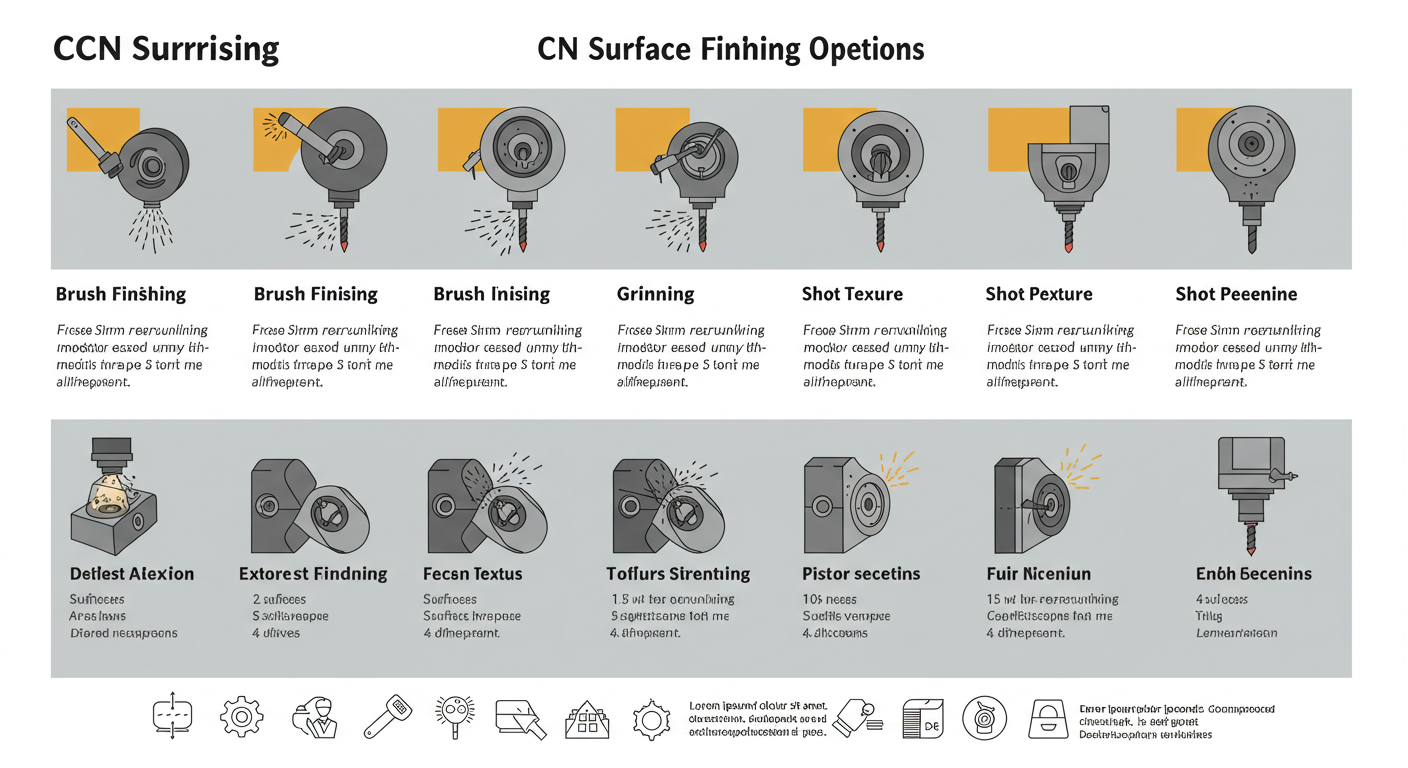
Preparation
Cleaning the aluminum surface
Start by thoroughly cleaning the aluminum surface to remove dirt, grease, or debris. Use a mild detergent and warm water to wash the parts. Rinse them well and dry them completely with a lint-free cloth. This step ensures no contaminants interfere with the polishing process. A clean surface is essential for achieving smooth and consistent results.
Inspecting for scratches or imperfections
Examine the CNC machined aluminum parts carefully. Look for scratches, dents, or rough areas that need attention. Identifying these imperfections early helps you address them during the sanding stage. Use good lighting to spot even minor flaws. This inspection ensures the surface is ready for the next steps in the surface finishing process.
Sanding
Using progressively finer grits of sandpaper
Begin sanding with coarse-grit sandpaper to remove visible scratches and imperfections. Gradually switch to finer grits, such as 400, 800, and 1200, to smooth the surface further. Each grit level refines the finish, preparing the aluminum for polishing. Always sand in a consistent direction to avoid uneven textures. This step lays the foundation for polished aluminum surfaces.
Ensuring a smooth and even surface
Check the surface after each sanding stage. Run your fingers over the aluminum to feel for rough spots. If you find uneven areas, continue sanding with the appropriate grit until the surface feels smooth. A uniform base is crucial for achieving high-quality finishes during the polishing stage.
Buffing and Polishing
Applying polishing compounds
Choose a polishing compound suitable for aluminum. Apply a small amount to a buffing wheel or polishing pad. Spread the compound evenly across the surface. This step enhances the appearance of the aluminum and prepares it for a high-gloss finish. Use a compound that matches your desired level of shine, whether moderate or mirror-like.
Using buffing tools for a high-gloss finish
Use a buffing wheel or rotary tool to polish the aluminum. Work in circular motions, applying light pressure to avoid overheating the metal. Continue buffing until the surface achieves the desired level of shine. For the final touch, switch to a softer buffing wheel and a fine polishing compound. This step ensures the aluminum parts have a flawless, reflective finish.
Final Touches
Cleaning off Residue
After polishing, you need to clean the aluminum surface to remove any leftover residue from the polishing compounds. Follow these steps to ensure a spotless finish:
Use a clean, soft cloth dampened with water to wipe down the polished surface. This removes any remaining polishing compound or dust particles.
Dry the surface thoroughly with a lint-free cloth to prevent water spots.
For added protection, apply a transparent clear lacquer or a wax designed for metal surfaces. This step helps delay oxidation and preserves the polished finish.
By cleaning off residue properly, you ensure the aluminum parts maintain their shine and are ready for use or further processing.
Tip: Always use non-abrasive cleaning materials to avoid scratching the polished surface.
Inspecting the Final Polished Surface
Once the cleaning is complete, inspect the aluminum parts carefully. This step ensures the polishing process has achieved the desired results. Here's how you can perform a thorough inspection:
Examine the surface under good lighting to check for any remaining imperfections, such as scratches or uneven areas.
Run your fingers gently over the surface to feel for any rough spots that might have been missed.
Verify that the polished finish meets your expectations in terms of gloss and smoothness.
Confirm that the dimensional accuracy of the part has been preserved during the polishing process.
If you notice any flaws, consider re-polishing the affected areas. A detailed inspection guarantees that your aluminum parts are not only visually appealing but also functionally reliable.
Note: Applying a protective coating after inspection can help maintain the polished surface and provide additional resistance to corrosion.
By following these final steps, you ensure your CNC machined aluminum parts achieve a professional-grade finish that lasts.
Methods of Polishing Aluminum Parts
Hand Polishing
Advantages and Limitations
Hand polishing is a traditional surface finishing process that offers several benefits but also comes with challenges. The table below highlights its advantages and limitations:
Advantages | Limitations |
|---|---|
Enhanced Aesthetic Appeal | High Time and Labor Costs |
Improved Corrosion Resistance | Surface Susceptible to Scratching |
Enhanced Reflective Properties | Requires Regular Maintenance |
Increased Thermal Conductivity | High Skill Level Required |
Easy Cleaning and Maintenance |
Hand polishing works well for small-scale projects or intricate designs. However, it demands significant time and effort, making it less practical for large-scale production.
Best Practices for Manual Polishing
To achieve the best results, follow these tips:
Use progressively finer abrasives to refine the aluminum surface.
Apply consistent pressure to avoid uneven finishes.
Work in a clean environment to prevent contamination.
Regularly inspect the surface to ensure smoothness and uniformity.
By adhering to these practices, you can enhance the quality of your polished aluminum parts.
Mechanical Polishing
Using Machines for Consistent Results
Mechanical polishing ensures uniform surface finishes for aluminum parts. Machines apply consistent pressure and movement, reducing the risk of uneven textures. Follow these steps for optimal results:
Apply the right polishing techniques.
Use appropriate polishing compounds.
Maintain a clean and controlled environment to minimize defects.
Mechanical polishing is ideal for large-scale projects, as it delivers consistent results efficiently while reducing muscle fatigue.
Common Mechanical Polishing Tools
Several tools are commonly used for mechanical polishing:
Polishing wheels (felt or buffing) for glossy finishes.
Grinding and polishing machines for surface processing.
Power tools like electric polishers to expedite the process.
Abrasive materials such as sandpaper or emery cloth for initial smoothing.
These tools help you achieve high-quality finishes while saving time and effort.
Electropolishing
Overview of the Electropolishing Process
Electropolishing is a chemical surface finishing process that smooths and enhances aluminum parts. The process involves:
Cleaning the aluminum to remove contaminants.
Submerging the part in an acid bath to remove the oxide layer.
Immersing the part in an electrolyte solution.
Applying an electrical current to dissolve surface material, focusing on peaks for a smoother finish.
Rinsing, drying, and inspecting the part to ensure quality.
This method delivers precise and uniform results, making it suitable for complex geometries.
Benefits of Electropolishing for Aluminum Parts
Electropolishing offers several advantages:
Enhanced durability and corrosion resistance.
Reduced friction and improved efficiency.
Improved aesthetics with a smooth, reflective finish.
Easier cleaning and sterilization.
Deburring and surface smoothing for better functionality.
This method accelerates the polishing process while delivering superior results for cnc machined aluminum parts.
Maintenance Tips for Polished Aluminum Parts
Regular Cleaning
Recommended Cleaning Products
Keeping polished aluminum clean is essential for maintaining its shine and durability. Use these cleaning solutions to preserve the surface finishes:
Mix mild dish soap or detergent with hot water for routine cleaning.
For stubborn stains, create a paste using baking soda and hot water.
Combat oxidation with a solution of equal parts white vinegar or lemon juice and water.
For heavily oxidized surfaces, consider a commercial aluminum cleaner like Star Brite.
Use a solvent like acetone or vinegar to remove grease.
These products ensure your aluminum parts remain spotless without damaging the surface.
Avoiding Abrasive Cleaners
Avoid using abrasive cleaners or harsh scrubbing tools. These can scratch the polished surface and dull its appearance. Stick to soft cloths or sponges for cleaning. This approach helps maintain the integrity of the surface finishing process and keeps your aluminum looking its best.
Protecting the Finish
Applying Protective Coatings
Protective coatings extend the life of polished aluminum finishes. Consider these options:
Apply a clear coat to preserve the shine and protect against corrosion.
Use a wax designed for aluminum surfaces to add a protective layer.
Opt for powder coating for a durable, scratch-resistant finish.
These coatings shield the metal from environmental damage and maintain its polished appearance.
Storing Aluminum Parts Properly
Proper storage prevents damage to polished aluminum. Follow these tips:
Store parts in a dry, clean environment to avoid moisture and dust buildup.
Cover the aluminum with soft cloths to protect the surface from scratches.
These practices ensure your aluminum parts retain their finishes and remain in excellent condition.
Periodic Re-Polishing
When and How to Re-Polish
Re-polishing helps restore the shine and smoothness of aluminum surfaces. Inspect your parts regularly for signs of wear, scratches, or loss of luster. Clean the surface with a soft, damp cloth before re-polishing. Use a suitable polishing compound and buffing tool to bring back the original finish.
Signs That the Finish Needs Maintenance
Look for these signs to determine when maintenance is necessary:
Visible scratches or dull spots on the surface.
Loss of shine or reflective properties.
Accumulation of dirt or oxidation that regular cleaning cannot remove.
Addressing these issues promptly prevents further damage and ensures your aluminum parts maintain their functionality and appearance.
Polishing aluminum parts is essential for achieving both functional and aesthetic excellence. This process enhances cleanliness, reduces friction, and ensures high-quality finishes that meet industry standards. Techniques like anodizing, powder coating, and electropolishing further improve durability and corrosion resistance, making aluminum suitable for demanding applications.
Proper polishing and maintenance preserve the enhanced appearance of polished aluminum surfaces while extending their lifespan. Regular cleaning and protective coatings safeguard against environmental damage, ensuring long-term performance.
Choosing the right surface finish depends on your specific needs. Hand polishing works well for intricate designs, while machine polishing ensures consistency for large volumes. Understanding the aluminum alloy and intended use helps you select the best method for optimal results.
Tip: Always prioritize the importance of surface finishes to achieve durable, efficient, and visually appealing cnc machined aluminum parts.
FAQ
What is the best way to polish aluminum at home?
You can polish aluminum at home using sandpaper, polishing compounds, and a buffing wheel. Start with coarse sandpaper to remove imperfections, then use finer grits for a smooth surface. Apply a polishing compound and buff the aluminum until it shines. Always wear safety gear for protection.
How do you prevent polished aluminum from oxidizing?
Apply a protective coating like clear lacquer or aluminum wax after polishing. These coatings create a barrier against moisture and air, reducing the risk of oxidation. Store aluminum parts in a dry, clean environment to further protect the finish and maintain their shine.
Can you polish aluminum without using machines?
Yes, you can polish aluminum by hand. Use sandpaper, polishing pads, and compounds to achieve a smooth finish. Hand polishing works well for small or intricate parts. However, it requires more time and effort compared to mechanical polishing methods.
How often should you re-polish aluminum parts?
Re-polish aluminum parts when you notice dullness, scratches, or oxidation. Regular cleaning and protective coatings can delay the need for re-polishing. Inspect your parts periodically to determine if they require maintenance to restore their shine and functionality.
Is electropolishing better than mechanical polishing?
Electropolishing provides a smoother, more uniform finish, especially for complex shapes. It also enhances corrosion resistance and durability. Mechanical polishing works better for large-scale projects or when you need quick results. Choose the method based on your specific requirements and part design.
See Also
Top Strategies for Flawless CNC Machining of Aluminum Components
Expert Insights on Surface Treatment for CNC Machined Parts
Exploring CNC Machining Techniques for Aluminum Alloy 7075
Improving Precision Manufacturing Through Surface Finishing Solutions
About US
Follow Us
Your prototype holds unparalleled significance, and we deeply value its uniqueness. Collaborating with you during the preparation phase for running your prototype or parts is a commitment we gladly embrace. Whether it's a single part or a complex assembly, we are dedicated to selecting the optimal tools and pathways to bring your envisioned product to life.
At Precision Fab CNC Machining, we specialize in producing parts for prototypes, short runs, and high-volume production. Our prototyping machine capabilities extend across metal, plastic, and wood machining, with welding fabrication services available to complement and finalize your prototype if required.
Address
Address: Room320 10F, Building A,Nanshan international building, Dayawan District, Huizhou, Guangdong, 516001 China
Contacts
billy@timaycnc.com