Recycling Aluminum with CNC Machining Processes

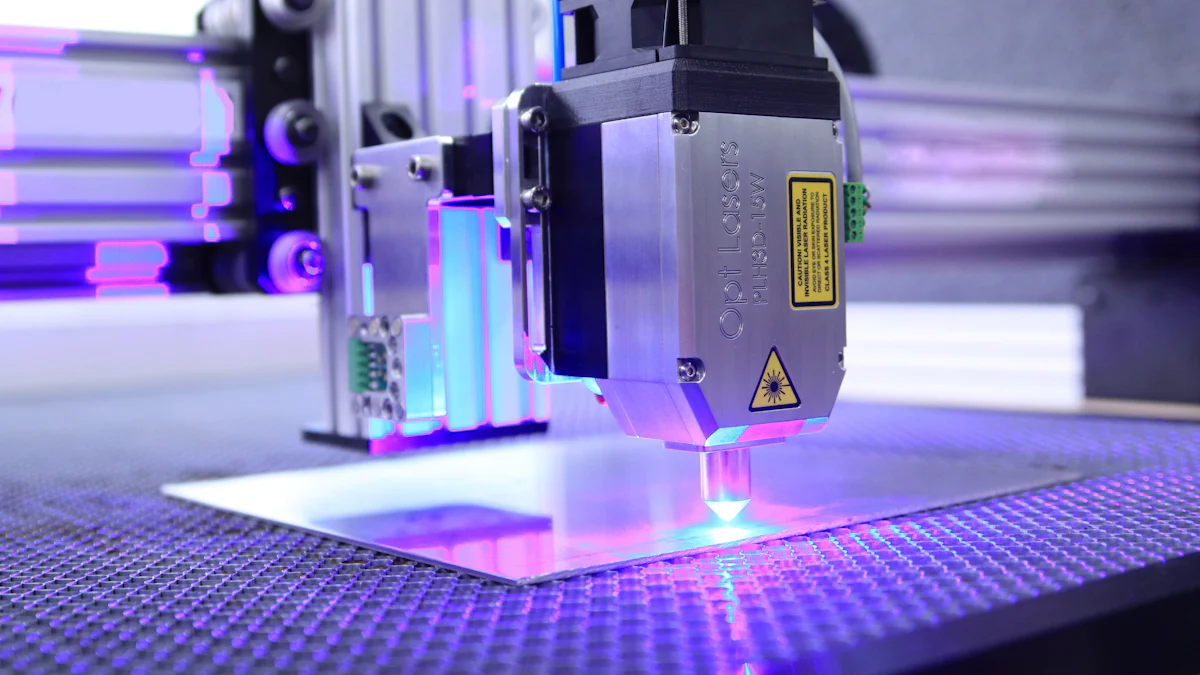
You play a vital role in shaping a sustainable future by embracing the aluminum recycling process. CNC machining enhances this effort by minimizing waste and improving material reuse. Over 75% of aluminum ever produced remains in use today. Recycling aluminum with CNC requires up to 95% less energy than creating new material, reducing costs and conserving resources.
Key Takeaways
Recycling aluminum with CNC machining uses 95% less energy than making new aluminum. This saves money and protects resources.
CNC machining is very accurate and reduces waste. It helps turn aluminum scrap into great products for planes and cars.
Using eco-friendly methods in CNC machining, like reusing materials and saving energy, helps the planet and supports recycling.
Understanding the Aluminum Recycling Process
Key Steps in the Aluminum Recycling Process
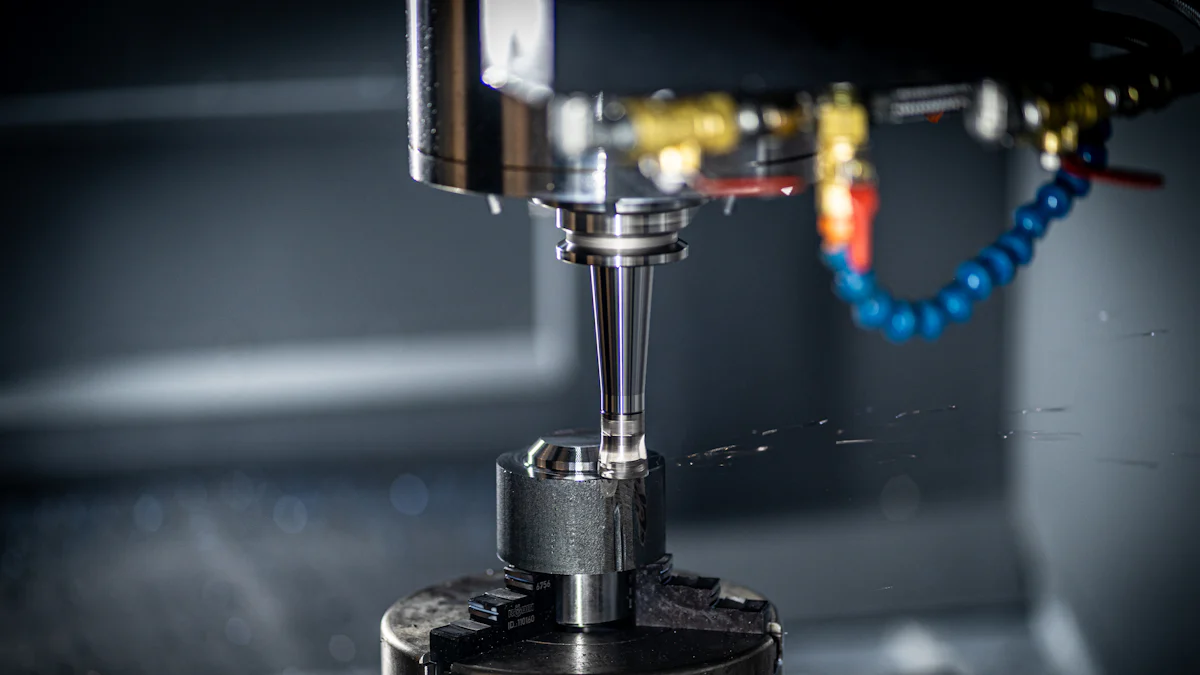
The aluminum recycling process involves several critical steps to ensure efficient material reuse. First, you gather aluminum scrap from various sources, including industrial waste and consumer products. Next, the aluminum undergoes cleaning to remove contaminants like non-aluminum metals, paints, oils, and moisture. Finally, the cleaned aluminum is remelted and repurposed into new products. These steps not only conserve resources but also reduce the environmental impact of manufacturing.
Addressing Contaminants in Aluminum Scrap Recycling
Contaminants in aluminum scrap pose significant challenges during recycling. Common impurities include iron, silicon, magnesium, and zinc. To address these, recycling facilities use advanced techniques:
Magnetic processes remove iron.
Sink-float tanks separate non-magnetic metals.
Mechanical methods strip paints and coatings.
Heating and drying eliminate moisture.
Heat treatments and mechanical processes remove oils.
However, some contaminants, like hypodermic needles, present unique hazards. These items, often found in scrap, can cause biological risks and disrupt the aluminum recycling process. Additionally, tramp elements such as nickel and lead require careful management to prevent accumulation during production.
Challenges in Traditional Aluminum Recycling Methods
Traditional aluminum recycling methods face several obstacles. Contamination of scrap and inefficient sorting processes often hinder material recovery. The labor-intensive separation process and impurities can complicate melting, potentially damaging recycling equipment. Furthermore, the creation of toxic byproducts like dross and salt cake adds environmental concerns. High transportation costs and economic instability in certain regions also limit the efficiency of the aluminum scrap recycling process.
By addressing these challenges, you can improve the sustainability and effectiveness of the aluminum recycling process.
The Role of CNC Machining in Aluminum Recycling
Precision and Waste Reduction in Aluminum CNC Machining
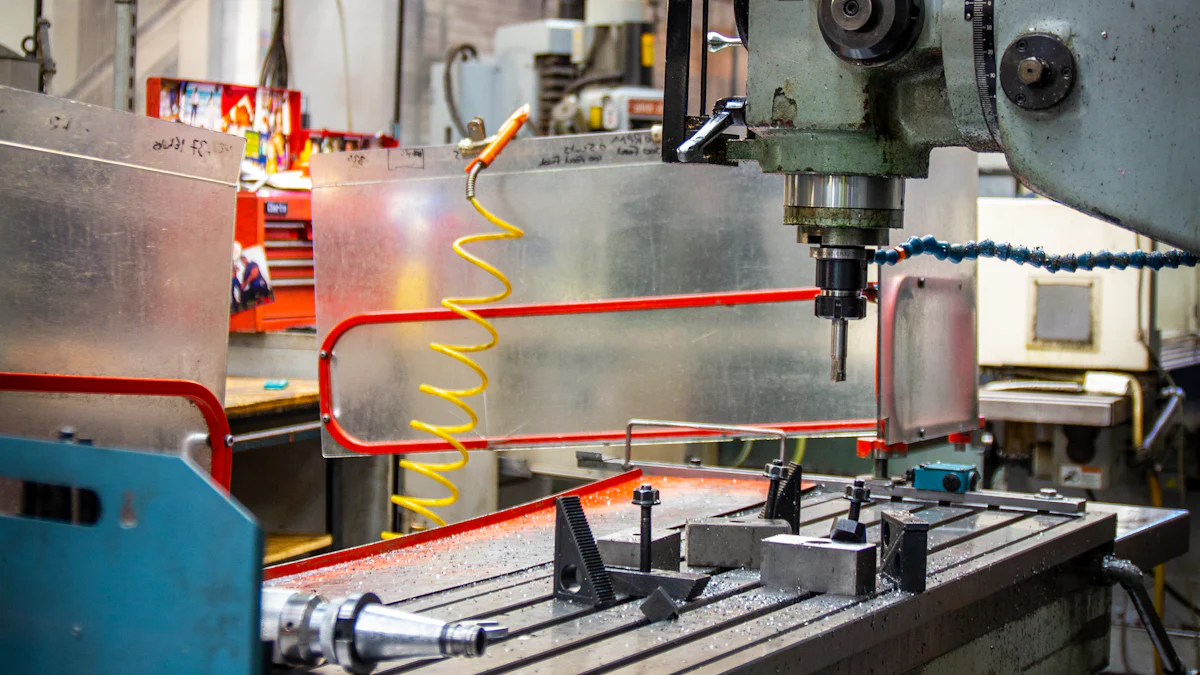
Aluminum CNC machining enhances precision and minimizes waste, making it an essential tool in recycling processes. By leveraging advanced CAD/CAM software, you can plan precise tool paths, reducing unnecessary material removal. High-speed and adaptive machining processes further optimize resource utilization while maintaining quality. Pre-heating aluminum softens the material, lowering cutting forces and extending tool lifespan.
The benefits of aluminum CNC machining in recycling can be summarized as follows:
Benefit | Description |
|---|---|
Reduced Material Wastage | Precision machining minimizes waste, especially important for costly aluminum alloys. |
Minimized Waste | Real-time adjustments in the system lead to reduced material wastage when working with high-cost aluminum grades. |
Additional axes enhance precision, crucial for applications requiring tight tolerances, such as aerospace. |
These features ensure that aluminum CNC machining not only reduces waste but also improves the efficiency of recycling processes.
CNC Machining’s Contribution to Sustainable Practices
CNC machining processes support sustainability by integrating eco-friendly practices into aluminum recycling. You can recycle metal scraps to reclaim valuable materials, reducing overall waste. Closed-loop systems enhance efficiency by minimizing waste during machining operations. Additionally, energy-efficient technologies, including renewable energy sources, reduce the environmental footprint of aluminum CNC machining. These practices align with global efforts to create a circular economy, where resources are reused rather than discarded.
Integrating CNC into the Aluminum Scrap Recycling Process
Integrating CNC machining into aluminum scrap recycling processes transforms how materials are reused. CNC machining processes allow you to handle aluminum with precision, ensuring minimal waste during machining operations. By incorporating CNC systems, you can process aluminum scrap into high-quality components for various applications, including aerospace and automotive industries. Advanced CNC machining processes also enable real-time adjustments, ensuring consistent quality across all applications. This integration not only enhances material reuse but also supports sustainable manufacturing practices.
Benefits of Recycling Aluminum with CNC Machining
Energy Efficiency and Cost Savings
Recycling aluminum with CNC machining significantly enhances energy efficiency. You can save over 90% of the energy required to produce aluminum from raw bauxite. While primary aluminum production consumes 12-14 kWh per kilogram, recycling requires only 0.7 kWh per kilogram. This 95% energy savings not only conserves resources but also reduces operational costs.
CNC machining further optimizes energy use by enabling precise material removal and minimizing waste. By integrating recycled aluminum into your processes, you lower production costs and improve material efficiency. These savings make products more affordable and contribute to a more sustainable manufacturing ecosystem.
Environmental Impact Reduction
Recycling aluminum using CNC machining reduces the environmental impact of manufacturing. Traditional methods often generate excessive waste and consume more energy, leading to higher carbon emissions. CNC machining, on the other hand, supports sustainability by implementing energy-efficient practices and waste reduction strategies.
You can mitigate waste generation by adopting recycling programs and reusing aluminum chips. This approach minimizes environmental pollution and conserves natural resources. Additionally, recycling aluminum saves up to 95% of the energy compared to primary production, significantly reducing greenhouse gas emissions. By incorporating CNC machining, you actively contribute to a cleaner and greener planet.
Enhancing Material Quality Through CNC Processes
CNC machining ensures high-quality outcomes when working with recycled aluminum. Advanced CNC systems allow you to process aluminum with exceptional precision, maintaining the integrity of the material. This precision is crucial for industries like aerospace and automotive, where tight tolerances are essential.
Recycled aluminum processed through CNC machining retains its strength and durability, making it suitable for demanding applications. Real-time adjustments during machining further enhance material quality, ensuring consistent results. By leveraging CNC technology, you maximize the potential of recycled aluminum while supporting sustainability and efficiency in manufacturing.
Future Innovations in CNC Machining for Aluminum Recycling
Emerging Technologies in CNC for Aluminum Recycling
Emerging technologies are revolutionizing how you approach CNC machining for aluminum recycling. These advancements enhance precision, efficiency, and sustainability in manufacturing processes:
Cryogenic machining uses cryogenically cooled tools to manage heat, preserving material integrity and extending tool life.
Laser-assisted machining pre-heats aluminum with lasers, reducing cutting forces and improving surface finishes.
Adaptive machining employs real-time feedback to adjust machining paths, minimizing waste and boosting efficiency.
Electrochemical machining removes material through electrolysis, ensuring precision without tool wear.
Ultrasonic machining uses high-frequency vibrations for precise cutting, generating minimal heat.
5-axis machining enables complex geometries and reduces material waste through efficient machining.
Micro-machining fabricates tiny components with high precision, minimizing material waste.
These technologies allow you to achieve superior results while supporting sustainable manufacturing practices.
Advancements in Chip Management and Melting Techniques
Efficient chip management is vital for improving aluminum recycling with CNC machining. You can enhance recycling by carefully collecting, sorting, and preparing metal shavings. Advanced techniques like centrifugation and magnetic separation remove contaminants such as oil and phosphorous additives from CNC chips. This meticulous process ensures the recycled material meets stringent technical criteria for reuse in manufacturing.
In addition, advancements in melting techniques improve the quality of recycled aluminum. By separating different metal types and draining contaminants, you can create high-quality aluminum suitable for demanding applications. These innovations streamline recycling processes and reduce waste, making your operations more sustainable.
Industry Trends in Sustainable CNC Machining
Sustainable CNC machining is shaping the future of aluminum recycling. Companies are adopting lean manufacturing practices to reduce waste and optimize efficiency. Closed-loop cooling systems recirculate cutting fluids, minimizing waste and conserving resources. Energy-efficient technologies, such as efficient motors and renewable energy sources, are becoming standard in CNC machining.
Recycling programs are also gaining traction, enabling you to recycle scrap metal into new products. Carbon reduction initiatives further support sustainability by lowering emissions and investing in offset projects. These trends align with global efforts to transition to green manufacturing, producing eco-friendly products like components for renewable energy systems and electric vehicles. By embracing these practices, you contribute to a more sustainable manufacturing ecosystem.
CNC machining revolutionizes aluminum recycling by delivering precision and efficiency. You can reduce waste, conserve energy, and produce high-quality products while minimizing environmental impact. By adopting CNC, industries contribute to a circular economy. Future innovations in CNC technology will further enhance its role, ensuring sustainable practices in manufacturing and recycling.
FAQ
What makes CNC machining ideal for aluminum recycling?
CNC machining ensures precision, reduces waste, and enhances material quality. These features make it a reliable and sustainable choice for aluminum recycling processes.
How does CNC machining reduce energy consumption in recycling?
CNC machining optimizes material usage and minimizes waste. This efficiency reduces the energy required for processing, contributing to significant energy savings during aluminum recycling.
Can recycled aluminum maintain its quality for industrial applications?
Yes, CNC machining processes ensure recycled aluminum retains its strength and durability. This makes it suitable for demanding industries like aerospace and automotive manufacturing.
See Also
Benefits of Utilizing Aluminum CNC Machining Services
A Deep Dive Into Aluminum Alloy 7075 Machining Techniques
CNC Machining Aluminum Alloys 6061 and 7075: 2024 Overview
Top Strategies for Achieving Scratch-Free Aluminum Machining
Streamlined CNC Machining Solutions for Precise Manufacturing
About US
Follow Us
Your prototype holds unparalleled significance, and we deeply value its uniqueness. Collaborating with you during the preparation phase for running your prototype or parts is a commitment we gladly embrace. Whether it's a single part or a complex assembly, we are dedicated to selecting the optimal tools and pathways to bring your envisioned product to life.
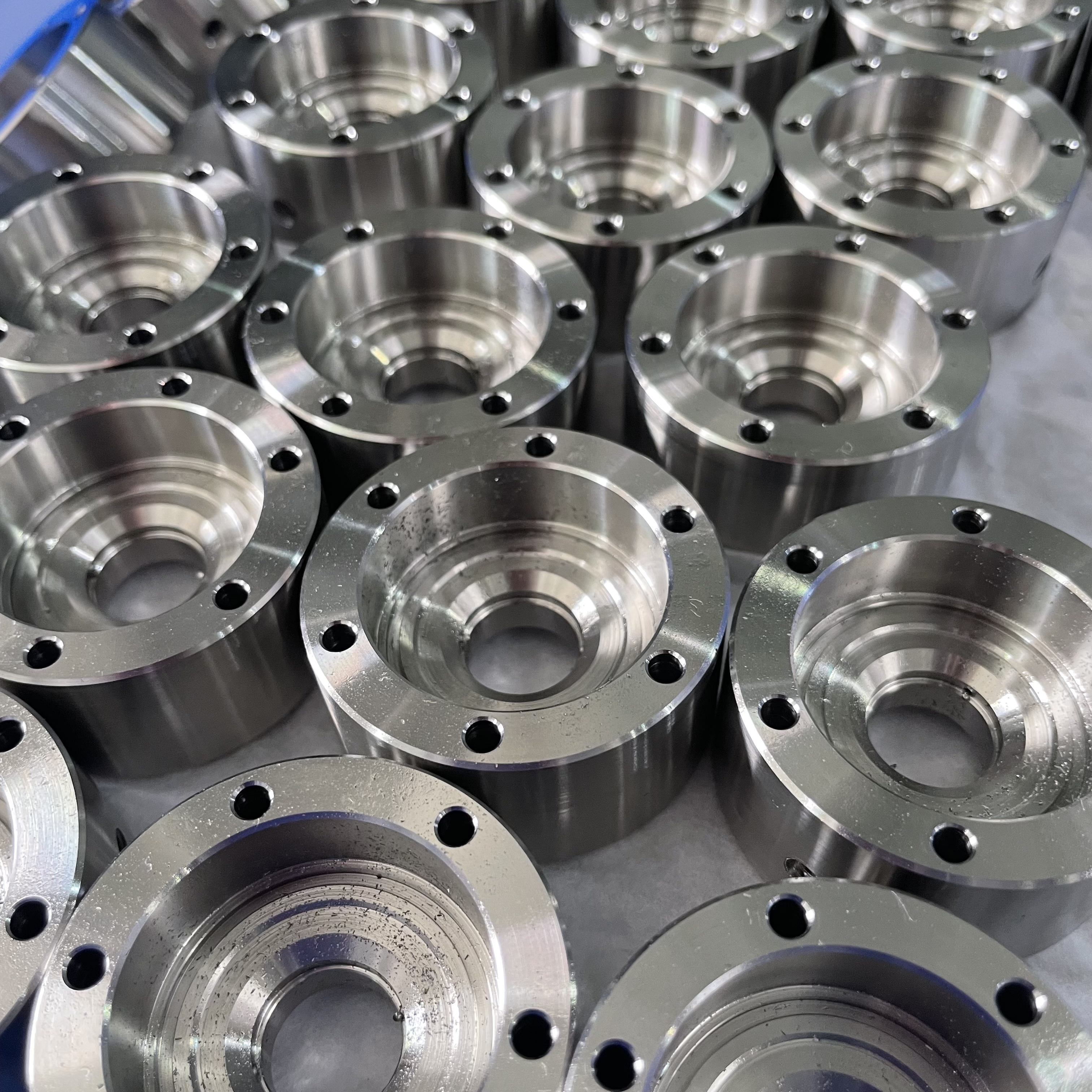
At Precision Fab CNC Machining, we specialize in producing parts for prototypes, short runs, and high-volume production. Our prototyping machine capabilities extend across metal, plastic, and wood machining, with welding fabrication services available to complement and finalize your prototype if required.
Address
Address: Room320 10F, Building A,Nanshan international building, Dayawan District, Huizhou, Guangdong, 516001 China
Contacts
billy@timaycnc.com