Reducing Material Waste with CNC Machining

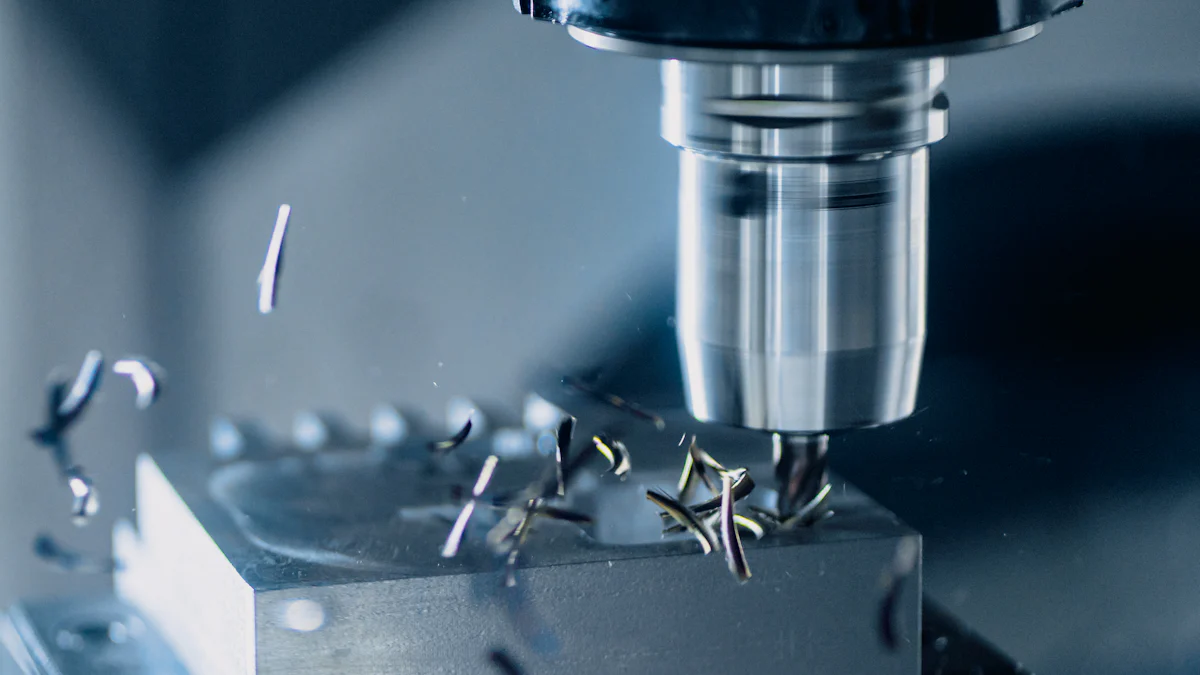
Reducing material waste plays a critical role in sustainable manufacturing. You can achieve this by adopting CNC machining, a technology known for its precision and efficiency. CNC machines use advanced programming to shape materials with minimal errors, leading to minimized material waste. This precision ensures that every cut and carve aligns with the design, leaving little room for excess.
Sustainable CNC machining integrates eco-friendly processes to reduce the ecological footprint of manufacturing. These efforts not only support sustainability but also meet the growing demand for environmentally responsible production. By using CNC machining services, you contribute to sustainable manufacturing while achieving efficiency and accuracy.
Key Takeaways
CNC machining reduces waste by cutting materials with great accuracy.
CAD/CAM software helps improve designs, saving materials and avoiding mistakes.
Recycling metal pieces and reusing leftovers cuts costs and helps the planet.
Energy-saving CNC machines use less power, saving money and lowering pollution.
Automation makes CNC machining more consistent, reducing waste and boosting quality.
Precision and Efficiency in CNC Machining
How Precision Reduces Waste
CNC machining stands out for its ability to deliver unmatched precision. By using computer-aided design (CAD) software, CNC machines execute exact movements, ensuring every cut and drilled hole meets the required specifications. This level of accuracy minimizes errors, which means you can avoid scrapping materials due to mistakes. In-process inspection and real-time monitoring further enhance precision. These techniques verify tolerances and dimensions during production, allowing immediate corrections to reduce defects and material waste.
CNC machines also excel at handling complex designs. They automate repetitive tasks with consistency, eliminating human error. This automation ensures that even intricate cuts are performed with high accuracy, reducing the chances of wasted material. Additionally, advanced features like adaptive toolpaths and high-speed machining optimize the cutting process. These features prevent unnecessary material removal, helping you minimize material waste while maintaining production efficiency.
Efficiency in Material Usage
Efficient material usage is another key advantage of CNC machining. Effective material selection and stock management play a significant role in reducing waste. By choosing the right materials and standard-sized stock, you can ensure that every piece is utilized effectively. Nesting optimization software further enhances efficiency by organizing cuts to maximize material consumption. This software arranges parts in a way that reduces leftover scraps, helping you make the most of your resources.
Real-world examples highlight how CNC machining achieves efficiency. Techniques like adaptive cutting use real-time feedback to adjust the cutting tool's path, reducing waste and extending tool life. Laser cutting offers precise, high-speed results, minimizing inaccuracies and material waste. Adjusting machines for smaller cut widths also reduces material usage, allowing you to maximize machine efficiency. These methods not only reduce cnc machining waste but also align with sustainability goals by conserving resources.
By leveraging the precision and efficiency of CNC machining, you can reduce waste, improve production efficiency, and contribute to sustainable manufacturing practices.
Optimized Processes and Software
Role of CAD/CAM Software in Reducing Waste
CAD/CAM software plays a vital role in reducing waste during CNC machining. By integrating design and manufacturing processes, these tools allow you to create designs optimized for machining. This reduces unnecessary material usage and ensures efficient production. Visualization and simulation capabilities let you identify potential issues before production begins. You can make corrections early, minimizing errors and preventing waste.
CNC machines rely on CAD software for precise programming. This ensures that every cut and hole aligns perfectly with the design specifications. The precision achieved through CAD/CAM integration reduces mistakes, lowering the likelihood of scrapping materials due to cutting errors.
Recent advancements in CAD/CAM software further enhance manufacturing processes. For example, hybrid manufacturing capabilities combine additive and subtractive methods, improving material properties and reducing production times. Sustainable manufacturing practices focus on energy-efficient tool paths and material optimization, helping you achieve sustainability goals. Advanced simulation tools provide detailed views of machining processes, incorporating material behavior models and tool wear predictions. These features allow you to monitor and measure waste effectively while improving production efficiency.
Advancement Type | Description |
|---|---|
Hybrid Manufacturing Capabilities | Combines additive and subtractive manufacturing, allowing for complex components with improved material properties and reduced production times. |
Sustainable Manufacturing Practices | Focuses on material optimization and energy-efficient tool paths, helping to minimize waste and improve carbon footprint while maintaining production efficiency. |
Advanced Simulation and Verification | Provides detailed views of machining processes, incorporating material behavior models and tool wear predictions to create more reliable and efficient machining strategies. |
Advanced Nesting Techniques for Material Efficiency
Advanced nesting techniques significantly improve material utilization in CNC machining. These methods optimize the arrangement of parts on raw materials, reducing waste and maximizing efficiency. Dynamic nesting software evaluates multiple parts from various jobs to determine the best placement on available materials. This ensures that you use every inch of material effectively.
Cutting path optimization minimizes the travel distance of cutting tools, enhancing productivity and reducing energy consumption. By evaluating part orientation, nesting software helps you optimize part geometry to minimize material usage. Scenario nesting takes this a step further by assessing the entire raw stock and optimizing remnant inventory. This approach allows you to plan better and reduce leftover scraps.
Material utilization rate is a key metric in nesting and tool paths. It measures how effectively you use sheet materials, ensuring higher efficiency with less waste. By adopting these techniques, you can enhance manufacturing processes, reduce costs, and align with sustainability goals.
Recycling and Reusing Materials in CNC Machining
Recycling Metal Scraps for Sustainability
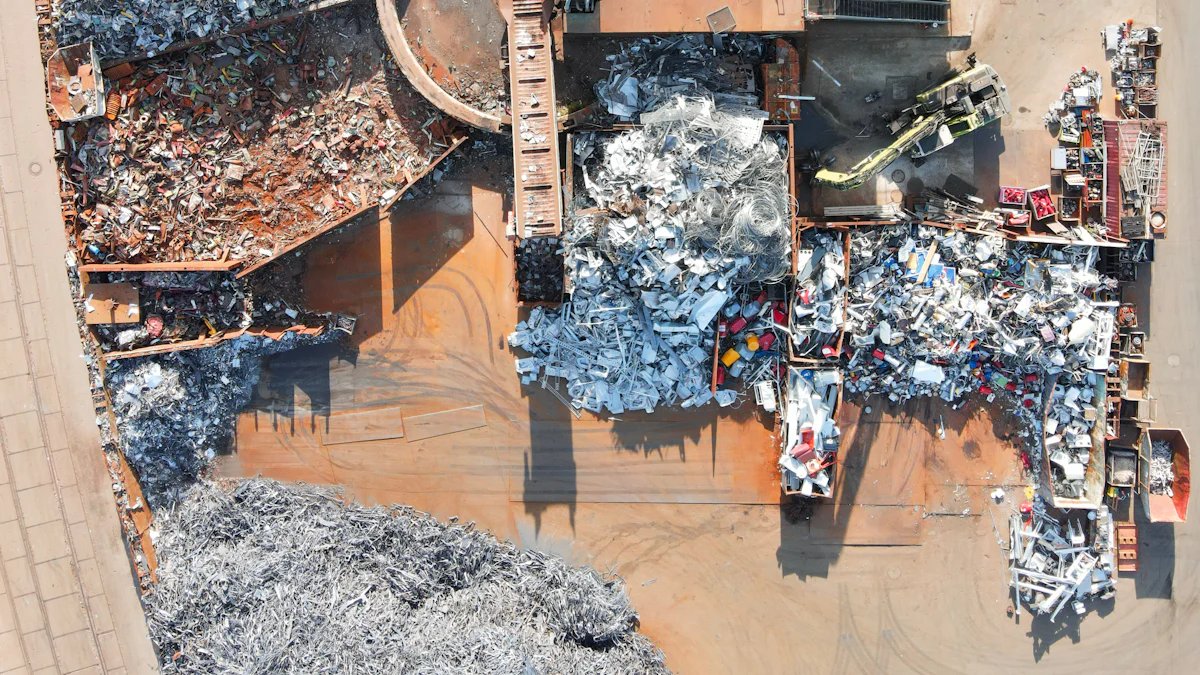
Recycling metal scraps is one of the most effective ways to reduce material waste in CNC machining. When you recycle metal shavings and cuttings, you conserve raw materials and significantly lower energy consumption compared to processing new materials. This practice reduces landfill waste and decreases the demand for virgin resources, helping preserve natural ecosystems. By incorporating recycling into your operations, you minimize the environmental impact of manufacturing while recovering valuable materials.
CNC machines generate various types of recyclable materials, including steel, aluminum, brass, and copper. High-temperature alloys like Hastelloy and titanium alloys are also commonly recycled. Recycling these materials not only supports sustainable manufacturing but also aligns with the principles of a circular economy. Instead of discarding shavings as waste, you can transform them into resources for other processes. This approach reduces scrap and promotes sustainability in your production cycle.
Recycling rates for metals in CNC machining are high, making it easier for you to adopt this practice. By integrating recycling into your workflow, you contribute to a cleaner environment and improve your company's reputation among eco-conscious customers.
Reusing Offcuts and Incorporating Recycled Materials
Reusing offcuts is another practical way to reduce waste and optimize material usage. Offcuts, often seen as leftovers, can be repurposed into new products or components. For example, you can use CAD software to design laminates from offcuts, arranging them into efficient layouts. These laminates can then be consolidated using processes like hot pressing or autoclaving, creating cohesive materials ready for further machining.
You can also repurpose cuttings and shavings to lower raw material costs. By managing these by-products effectively, you reduce waste and align with sustainable manufacturing goals. Many manufacturers now incorporate recycled materials, such as eco-friendly metals or biodegradable plastics, into their production. This practice not only reduces material waste and scrap but also lowers your carbon footprint.
Adopting lean manufacturing principles can further enhance your efforts. By aligning production with demand, you minimize excess material usage and energy consumption. Implementing a closed-loop system allows you to reuse materials repeatedly, cutting down on waste and costs. These strategies ensure that your CNC machining services remain efficient and environmentally responsible.
Instead of viewing offcuts as garbage, consider them opportunities. With innovative methods, you can turn waste into valuable resources, supporting both cost savings and sustainability.
Energy-Efficient Machines and Automation
Modern CNC Machines for Sustainable Manufacturing
Modern CNC machines offer energy-efficient solutions that align with sustainability goals. These machines incorporate advanced technologies to reduce energy consumption while maintaining high performance. Features like energy-efficient motors and variable frequency drives optimize power usage during operations. For instance, variable frequency drives adjust motor speeds based on load requirements, minimizing unnecessary energy consumption. Additionally, software optimization ensures efficient tool paths, reducing electricity usage during machining.
Investing in energy-efficient CNC machines provides long-term benefits. Technologies such as regenerative braking systems and energy management systems enhance energy performance. These systems monitor and manage energy usage, helping you identify inefficiencies and reduce waste. Upgrading to these machines not only supports sustainable manufacturing but also contributes to cost reduction in manufacturing by lowering operational expenses.
Feature | Impact on Energy Consumption |
|---|---|
Spindle Speed | Optimizing for specific tasks can improve efficiency. |
Feed Rate | Affects energy consumption; higher rates may increase demand. |
Cutting Depth | Deeper cuts require more power; optimization can reduce usage. |
Tool Path | Efficient paths lower electricity consumption. |
Energy Efficiency Measures | Implementing practices can reduce electricity consumption. |
Variable Frequency Drives | Control motor speed, reducing consumption during low-load. |
Energy-Efficient Motors | Upgrading reduces consumption without performance loss. |
Software Optimization | Advanced software minimizes energy usage through optimization. |
Energy Management Systems | Monitor and manage consumption to identify inefficiencies. |
By adopting these technologies, you can maximize machine efficiency, reduce your carbon footprint, and contribute to global sustainability efforts.
Automation to Reduce CNC Machining Waste
Automation plays a critical role in minimizing waste during CNC machining processes. Automated systems reduce the risk of human error, which is a significant factor in material waste. CNC machines perform repetitive tasks with precision, ensuring uniform production and reducing inconsistencies. This consistency leads to cost-effective manufacturing solutions by lowering material waste and improving production efficiency.
The integration of automation allows you to achieve high levels of customization without excess material usage. For example, CNC machines can handle complex designs while maintaining accuracy. Automation also enhances quality control by identifying defects early in the process. Real-time monitoring and adjustments ensure that production remains efficient, further reducing waste.
Emerging trends in automation, such as the use of AI and IoT in smart factories, improve material efficiency. These technologies enable CNC machines to optimize operations, reduce energy consumption, and support sustainability. Additionally, electronic file transmission eliminates the need for physical transportation, lowering emissions and contributing to eco-friendly practices.
Automation not only improves production efficiency but also supports sustainability by reducing waste and conserving resources. By embracing automation, you can achieve precision, customization, and cost savings in your CNC machining services.
Economic and Environmental Benefits of CNC Machining
Cost Savings Through Waste Reduction
Reducing material waste in CNC machining directly translates to significant cost savings. By optimizing resource utilization, you can lower the amount of material required for production. This not only reduces expenses but also ensures better stock management. Effective material selection further enhances this process, allowing you to minimize waste while achieving high-quality results.
Energy-efficient CNC machines also contribute to cost reduction in manufacturing. These machines consume less power during operations, which helps lower energy bills. Implementing energy-saving practices, such as optimizing tool paths and using variable frequency drives, can further enhance savings. Additionally, recycling metal scraps and reusing offcuts reduce the need for new raw materials, cutting down on procurement costs.
Key ways CNC machining saves costs:
Minimizing material waste through precision and efficiency.
Lowering energy consumption with advanced, energy-efficient machines.
Recycling and reusing materials to reduce raw material expenses.
By adopting these strategies, you can achieve cost-effective production while maintaining sustainability goals.
Positive Environmental Impact of Sustainable Manufacturing
Sustainable CNC machining practices have a measurable positive impact on the environment. High energy consumption in traditional manufacturing contributes to significant carbon footprints. CNC machining addresses this by optimizing energy use and reducing waste. For example, precision cutting techniques minimize offcuts and shavings, lowering the amount of waste generated.
Closed-loop systems in CNC machining conserve water by treating and reusing wastewater. This reduces the environmental impact of wastewater discharge and helps preserve natural resources. Additionally, the adoption of circularity, such as recycling metal scraps and using biodegradable materials, supports eco-friendly practices. These efforts align with global sustainability goals and promote a greener manufacturing industry.
Environmental benefits of CNC machining:
Reduced greenhouse gas emissions through energy-efficient processes.
Conservation of natural resources via recycling and water reuse.
Improved air quality by minimizing emissions from coolants and lubricants.
By integrating sustainable manufacturing practices, you contribute to a cleaner environment and a healthier future for the planet.
CNC machining plays a vital role in reducing material waste and promoting sustainable manufacturing. Its precision and efficiency help you minimize waste while optimizing resource usage. By adopting CNC machining services, you can embrace green innovations and rethink operations to align with sustainability goals. This approach not only reduces energy consumption but also lowers your carbon footprint.
The economic benefits are equally compelling. Efficient material usage and energy-saving practices lead to significant cost savings over time. Recycling and reusing materials further reduce expenses, while sustainable practices enhance your brand reputation. Although the initial investment in sustainable technologies may seem high, the long-term advantages make it a strategic necessity.
Transitioning to CNC machining allows you to achieve operational efficiency, cost savings, and environmental responsibility. By adopting these practices, you contribute to a cleaner planet and position your business as a leader in sustainable production.
FAQ
What is CNC machining, and how does it reduce material waste?
CNC machining uses computer-controlled tools to cut and shape materials with high precision. This accuracy minimizes errors, reducing the need to scrap materials. Efficient processes, like optimized tool paths and nesting techniques, ensure maximum material usage, leaving little waste behind.
Can CNC machining handle recycled materials?
Yes, CNC machining works well with recycled materials. You can use recycled metals or eco-friendly plastics without compromising quality. This approach supports sustainability by reducing the demand for new raw materials and lowering your environmental impact.
How does automation in CNC machining help reduce waste?
Automation ensures consistent production by eliminating human error. CNC machines perform repetitive tasks with precision, reducing defects and material waste. Real-time monitoring and adjustments further optimize processes, ensuring efficient material usage and minimal scrap.
Are energy-efficient CNC machines worth the investment?
Energy-efficient CNC machines reduce electricity consumption, lowering operational costs over time. Features like variable frequency drives and energy management systems optimize power usage. While the initial cost may be higher, long-term savings and environmental benefits make them a smart choice.
What industries benefit most from CNC machining’s waste reduction?
Industries like aerospace, automotive, and medical manufacturing benefit greatly. These sectors require high precision and minimal waste due to strict quality standards. CNC machining ensures efficient material usage, helping these industries meet sustainability goals while maintaining product quality.
See Also
Achieving Precision Parts Through Expert CNC Machining
Streamlined CNC Machining Solutions for Accurate Production
Enhancing Quality in Manufacturing with CNC Precision Techniques
Grasping Material Needs for CNC Precision Machining Success
Excelling in CNC Machining: Tolerances, Prototypes, and Materials
About US
Follow Us
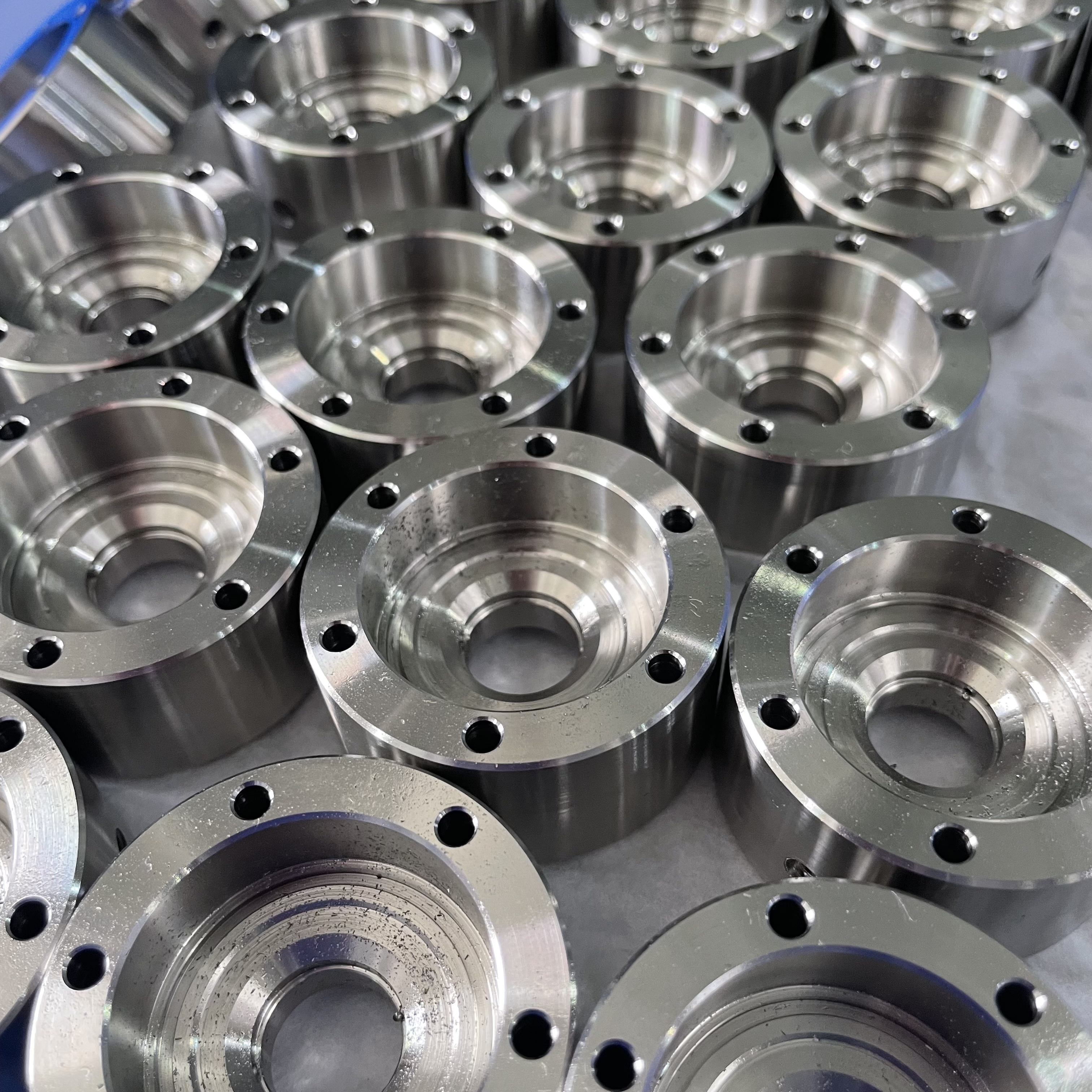
Your prototype holds unparalleled significance, and we deeply value its uniqueness. Collaborating with you during the preparation phase for running your prototype or parts is a commitment we gladly embrace. Whether it's a single part or a complex assembly, we are dedicated to selecting the optimal tools and pathways to bring your envisioned product to life.
At Precision Fab CNC Machining, we specialize in producing parts for prototypes, short runs, and high-volume production. Our prototyping machine capabilities extend across metal, plastic, and wood machining, with welding fabrication services available to complement and finalize your prototype if required.
Address
Address: Room320 10F, Building A,Nanshan international building, Dayawan District, Huizhou, Guangdong, 516001 China
Contacts
billy@timaycnc.com