Reducing Material Waste in CNC Machining Prototyping

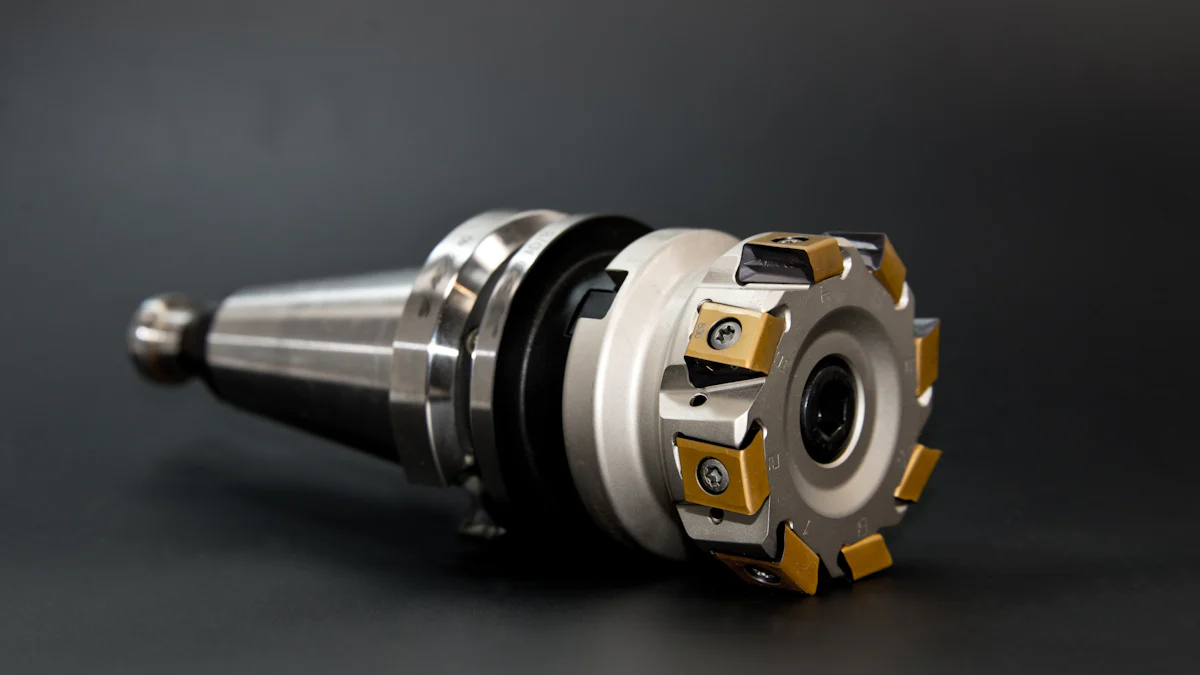
Reducing material waste in CNC machining is essential for both economic and environmental reasons. Waste not only increases costs but also harms the planet. For example, excess material contributes to greenhouse gas emissions, air pollution, and groundwater contamination. By adopting sustainable practices, you can achieve significant benefits. These include cost savings, lower energy consumption, and an improved brand reputation. Sustainable CNC machining also supports eco-friendly production, helping you align with the growing demand for sustainability in modern industries. Every step you take toward reducing waste contributes to a cleaner, more sustainable future.
Key Takeaways
Use simulation software to plan toolpaths and avoid extra cuts.
Pick suitable materials early to lower waste and boost quality.
Keep CNC machines clean and adjusted to stop wasteful mistakes.
Make products only when needed to prevent making too much.
Recycle leftover chips and scraps to save money and help the planet.
Causes of Material Waste in CNC Machining
Inefficient Toolpath Design
Toolpath design plays a critical role in reducing waste during CNC machining. Poorly planned toolpaths often result in excessive material removal, leaving behind unnecessary scrap. Suboptimal cutting paths can also increase the likelihood of errors, leading to rework and additional waste. For example, if the toolpath involves redundant movements or inefficient cutting angles, you may end up discarding more material than necessary.
To avoid these issues, you should focus on optimizing your toolpath design. Using adaptive toolpaths and simulation software can help you plan efficient cutting routes. This approach minimizes unnecessary cuts and ensures that every movement contributes to the final product. By addressing inefficiencies in toolpath design, you can significantly reduce material waste and improve overall machining efficiency.
Improper Material Selection
Choosing the wrong material for a project can lead to significant waste. For instance, selecting a material that lacks the required strength or rigidity may result in frequent adjustments and rework. An automotive manufacturer once faced this issue when using a soft aluminum alloy for high-volume CNC milling. The material's flexibility caused operational challenges, leading to increased scrap rates and higher production costs.
Effective material selection is essential to avoid such problems. You should evaluate the material's properties during the design stage to ensure compatibility with the machining process. This step not only reduces waste but also improves the quality of the final product. Additionally, managing your material stock effectively can prevent overstocking and minimize waste from obsolete inventory.
Machine Calibration Issues
Improperly calibrated machines can cause significant material waste. Misaligned tools or inaccurate settings often lead to errors during machining, resulting in defective parts. These defects require rework or replacement, which increases material consumption. For example, a miscalibrated CNC machine might cut deeper than intended, ruining the workpiece and wasting valuable resources.
Regular calibration and maintenance of your CNC machines are crucial to avoid these issues. Conducting routine inspections ensures that your equipment operates with precision. By keeping your machines in optimal condition, you can reduce errors, minimize waste, and enhance the overall efficiency of your machining processes.
Overproduction and Excessive Prototyping
Overproduction and excessive prototyping are common causes of material waste in CNC machining. When you produce more parts than necessary, you risk creating excess inventory that may never be used. Unsold parts sitting in a warehouse represent industrial waste and financial loss. Poor planning often leads to this issue. For example, uncoordinated orders or inaccurate demand forecasts can result in unnecessary production runs. By aligning production with actual demand, you can avoid these inefficiencies.
Excessive prototyping also contributes to waste. This happens when you perform unnecessary machining steps or create multiple prototypes that do not meet customer requirements. These extra steps often stem from poorly designed machining processes. For instance, if the engineering team fails to optimize the prototype design, you may end up repeating the process multiple times. Each iteration consumes additional material and resources, increasing waste.
To address these challenges, you should focus on improving your planning and coordination. Start by analyzing customer requirements and aligning production schedules accordingly. This approach ensures that you only produce what is needed. Additionally, streamline your prototyping process by refining designs before machining begins. Using advanced CAD/CAM software can help you simulate the machining process and identify potential issues early.
Another effective strategy involves adopting lean manufacturing principles. Techniques like just-in-time (JIT) production can help you minimize overproduction. JIT ensures that parts are produced only when needed, reducing the risk of excess inventory. By implementing these practices, you can significantly reduce waste and improve the efficiency of your CNC machining operations.
Tip: Regularly review your production and prototyping processes to identify areas for improvement. Small adjustments can lead to significant reductions in material waste over time.
By addressing overproduction and excessive prototyping, you not only save costs but also contribute to a more sustainable manufacturing process.
Practical Strategies to Reduce Waste in CNC Machining
Optimize Toolpath Design
Use simulation software for efficient toolpath planning.
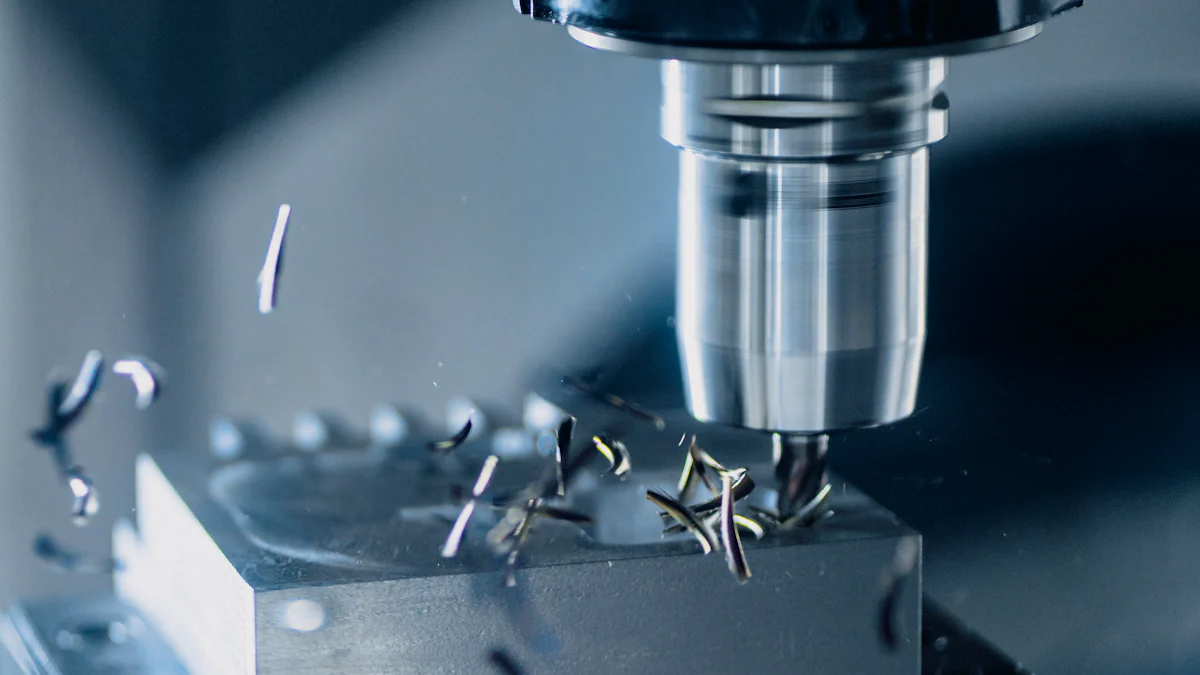
Simulation software allows you to test and refine your toolpath before starting machining operations. This virtual testing helps you identify potential waste issues and correct them early. Automated toolpath generation, for example, creates efficient paths based on CAD models, reducing manual errors. Adaptive cutting techniques adjust the tool's path in real-time, optimizing material removal and minimizing waste. By using these tools, you can reduce waste and improve sustainability in your processes.
Minimize unnecessary cuts and movements.
Unnecessary cuts and redundant tool movements increase material waste. Intelligent tool selection ensures you use the right cutting tools for each operation, reducing tool wear and scrap. Design for Manufacturing (DFM) principles also help you create designs optimized for machining, reducing waste from the start. These practices not only save material but also enhance the efficiency of your CNC machining.
Improve Chip Management
Implement systems to collect and recycle chips.
Effective chip management plays a vital role in sustainability. Systems that collect and recycle chips allow you to recover valuable materials. For instance, metal scrap recycling converts chips into raw materials for new products. Coolant and lubricant recycling systems filter and reuse fluids, reducing waste and environmental impact. These methods contribute to a circular economy, balancing material consumption and waste reduction.
Use cutting fluids to reduce chip adhesion.
Cutting fluids prevent chips from sticking to tools, improving machining efficiency. High-pressure coolant systems enhance chip control by breaking chips into smaller, manageable pieces. This reduces the occurrence of long, stringy chips that can disrupt machining operations. Improved chip management also enhances tool life and space efficiency, as shown below:
Benefit | Explanation |
|---|---|
Improved Space Efficiency | Smaller chips can lead to more efficient use of floor space, allowing for closer placement of work cells and additional equipment. |
Enhanced Tool Life | Incorporating chipbreakers and high-pressure coolant can improve tool life and stability during machining. |
Effective Chip Control | Using chipbreakers and high-pressure coolant helps in managing chip size and shape, reducing the occurrence of long, stringy chips. |
Recycle and Reuse Materials
Sort and repurpose scrap materials effectively.
Sorting scrap materials ensures you recover valuable resources. Metal scrap recycling allows you to reuse materials in manufacturing new products. Reusing cuttings and shavings in other processes also reduces waste. Establishing protocols for scrap management helps you streamline recycling efforts and improve sustainability.
Partner with recycling facilities for material recovery.
Collaborating with recycling facilities enhances your ability to recycle and reuse materials. These partnerships ensure proper handling of scrap and recovery of valuable materials. Recycling worn-out tools into new applications further supports sustainability. By adopting these practices, you can reduce waste and contribute to a cleaner environment.
Tip: Implementing a closed-loop material system can help you recycle scrap back into production, reducing costs and waste.
Maintain Equipment Regularly
Conduct routine inspections to ensure precision.
Routine inspections are essential for maintaining precision in CNC machining. Over time, machines can experience wear and tear, which affects their accuracy. Misaligned components or loose fixtures can lead to defective parts and wasted materials. By inspecting your equipment regularly, you can identify these issues early and take corrective action.
Start by checking the alignment of your machine's axes and the condition of its cutting tools. Misaligned axes can cause uneven cuts, while dull or damaged tools reduce machining efficiency. Use calibration tools to verify the accuracy of your machine's movements. Also, monitor the spindle and other moving parts for unusual vibrations or noises. These signs often indicate mechanical problems that require immediate attention.
A well-maintained machine ensures consistent results and reduces the likelihood of errors. This practice not only minimizes material waste but also extends the lifespan of your equipment. Regular inspections help you achieve optimal performance in your machining processes.
Replace worn-out tools to avoid material wastage.
Worn-out cutting tools are a common cause of material waste. Dull edges or chipped tools can produce inaccurate cuts, leading to defective parts. These defects often require rework or replacement, which increases material consumption. Replacing worn tools promptly ensures that your machine operates at peak efficiency.
Keep a schedule for inspecting and replacing your cutting tools. Look for signs of wear, such as reduced cutting speed or poor surface finish on machined parts. Using high-quality tools designed for durability can also reduce the frequency of replacements. Additionally, consider investing in tool monitoring systems. These systems track tool wear in real-time, helping you replace tools before they cause problems.
By maintaining sharp and reliable tools, you can improve machining accuracy and reduce waste. This approach not only saves materials but also enhances the overall efficiency of your operations.
Tip: Create a maintenance log to track inspections and tool replacements. This record helps you identify patterns and plan preventive maintenance effectively.
Leveraging Technology for Sustainable CNC Machining
Real-Time Monitoring Systems
Use sensors to track material usage and waste.
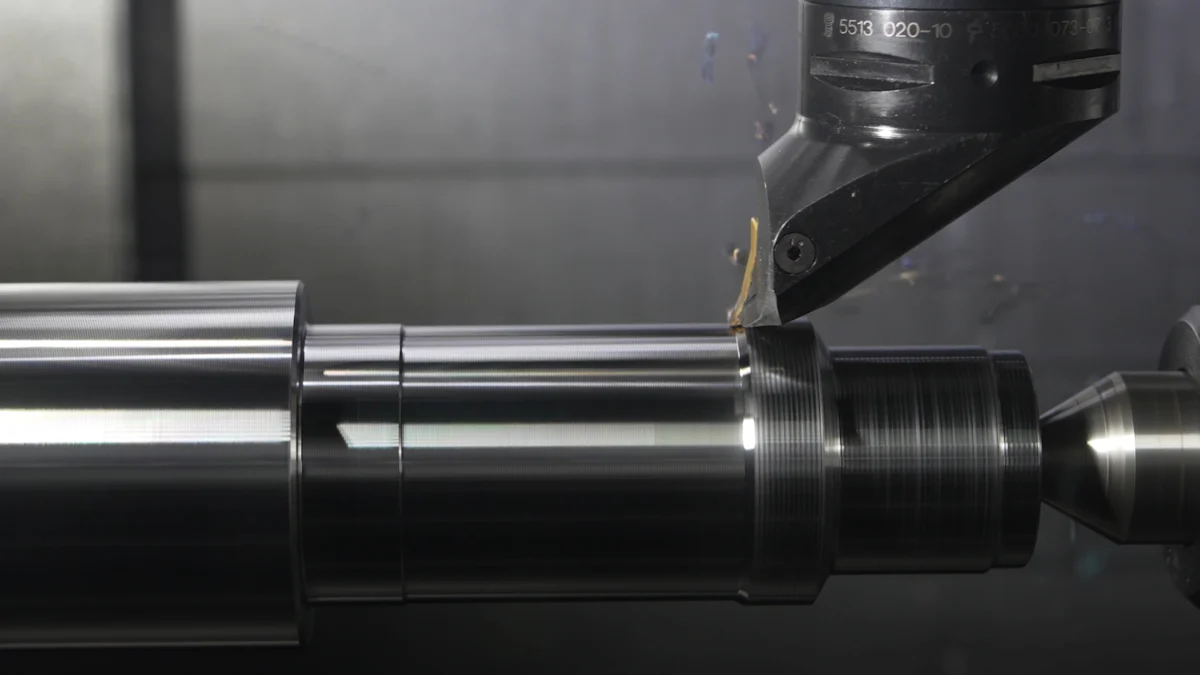
Real-time monitoring systems help you track material usage and waste during machining operations. Sensors collect data continuously, giving you insights into how materials are consumed. This data allows you to make proactive adjustments, reducing waste and improving efficiency. For example, integrating IoT technology into your CNC machines enhances visibility by connecting sensor networks. These systems provide real-time feedback, helping you identify areas where material usage can be optimized.
Identify inefficiencies during the machining process.
Monitoring systems also help you spot inefficiencies in your machining processes. Predictive maintenance tools analyze data to detect potential failures before they occur. This reduces downtime and prevents material waste caused by defective parts. By addressing inefficiencies early, you can improve the sustainability of your operations while maintaining high production quality.
Tip: Use real-time data collection tools to monitor machine performance and reduce unnecessary material consumption.
Advanced CAD/CAM Software
Simulate machining processes to reduce trial-and-error.
Advanced CAD/CAM software allows you to simulate machining processes before production begins. This reduces trial-and-error, saving both time and materials. Modern software can lower machining time by up to 20%, which directly reduces energy consumption and waste. Simulations also help you identify potential design flaws, ensuring that your prototypes meet specifications on the first attempt.
Optimize material usage through precise designs.
CAD/CAM software optimizes material usage by creating precise designs and toolpaths. Features like adaptive cutting and closed-loop material systems ensure that every cut is efficient. Intelligent material utilization strategies minimize waste while maintaining high-quality results. By integrating Industry 4.0 technologies, you can further enhance production efficiency and reduce environmental impact.
Note: Investing in advanced CAD/CAM tools not only improves sustainability but also enhances the overall quality of your products.
CNC Nesting Software
Maximize material utilization by nesting parts efficiently.
CNC nesting software helps you maximize material utilization by arranging parts in the most efficient layout. Automated nesting procedures save time by calculating optimal layouts, reducing manual effort. Dynamic nesting adjusts layouts in real-time, ensuring that material yield is maximized even when changes occur. This minimizes scrap and supports sustainable manufacturing practices.
Reduce cut-off waste through advanced nesting techniques.
Nesting software also reduces cut-off waste by optimizing tool paths and tracking remnants. Automatic remnant creation ensures that leftover materials are reused in future projects. This approach not only reduces waste but also lowers costs by making better use of raw materials. Efficient nesting techniques improve the sustainability of your machining operations while maintaining high productivity.
Advantage | Description |
|---|---|
Automated Nesting Procedures | Reduces time spent on manual nesting by automatically calculating the most efficient layout for cutting parts, allowing staff to focus on other tasks. |
Optimisation of Material Usage | Minimizes scrap and waste, leading to cost savings and more efficient use of raw materials. |
Tool Path Optimisation | Enhances machine efficiency by calculating the fastest tool paths, reducing machine movement and tool changes, which can improve the quality of the finished part. |
Dynamic Nesting | Adjusts nesting layouts in real-time, saving time and effort when changes occur, and maximizing material yield. |
Automatic Remnant Creation | Keeps track of remnants from sheet metal, ensuring they are used first to minimize offcuts and waste in the factory. |
Tip: Use CNC nesting software to streamline your processes and achieve better material utilization.
Sustainable Material Sourcing and Partnerships
Use Eco-Friendly Materials
Select materials with lower environmental impact.
Choosing materials with a lower environmental footprint is a key step toward sustainable CNC machining. You should evaluate the environmental impact of materials during the design phase. For instance, metals like aluminum and steel often have high recyclability rates, making them excellent choices for reducing waste. Additionally, consider materials that require less energy to process or produce fewer emissions during machining. This approach not only minimizes waste but also supports your sustainability goals.
Opt for biodegradable or recyclable options.
Biodegradable and recyclable materials offer a practical solution for reducing waste. You can explore options like bioplastics or composites made from renewable resources. These materials break down naturally or can be repurposed, reducing their impact on landfills. For example, some manufacturers use recycled polymers in prototyping, which helps conserve resources. By incorporating such materials into your processes, you contribute to a circular economy while maintaining high-quality production standards.
Tip: Research material certifications, such as ISO 14001, to ensure the materials you select meet environmental standards.
Collaborate with Sustainable Suppliers
Partner with suppliers who prioritize waste reduction.
Working with suppliers who share your sustainability goals can significantly reduce material waste. Look for suppliers that adhere to environmental standards and actively implement waste reduction practices. Establish clear criteria for selecting these partners. For example, you can prioritize suppliers who use shared data platforms to provide real-time updates on material movement. Blockchain technology can also help track sustainability metrics, ensuring transparency and accountability.
Ensure traceability of materials to promote accountability.
Traceability is essential for maintaining sustainable practices. Collaborate with suppliers to identify areas for improvement and implement sustainability initiatives together. Encourage knowledge sharing and the adoption of best practices across the supply chain. This collaboration ensures that materials are sourced responsibly and used efficiently. By fostering these partnerships, you create a more sustainable supply chain and reduce waste at every stage of production.
Note: Engaging suppliers in sustainability efforts not only reduces waste but also strengthens your brand's commitment to eco-friendly practices.
Implementing Lean Manufacturing Principles
Minimize Overproduction
Align production with demand to avoid excess waste.
Overproduction often leads to unnecessary material waste and increased costs. You can address this issue by aligning production with actual customer demand. A pull-based manufacturing approach ensures that you produce only what customers order. This reduces the risk of excess inventory and eliminates waste from unsold products. By focusing on customer demand, you can streamline your operations and improve efficiency.
Excess work-in-process and finished goods inventory also contribute to overproduction. Reducing these inventories helps you avoid producing more than necessary. For example, maintaining minimal stock levels ensures that resources are used efficiently. This approach not only reduces waste but also enhances your ability to respond to market changes quickly.
Use just-in-time manufacturing techniques.
Just-in-time (JIT) manufacturing is a powerful tool for minimizing overproduction. By producing parts only when needed, you can significantly reduce waste. JIT techniques ensure that materials and components arrive at the right time, preventing overstocking. This method also improves cash flow by reducing the capital tied up in inventory.
Implementing JIT requires careful planning and coordination with suppliers. You should establish reliable communication channels to ensure timely deliveries. This approach helps you maintain a lean production process while meeting customer demands efficiently.
Tip: Regularly review your production schedules to ensure they align with real-time demand. This practice helps you avoid overproduction and reduce waste effectively.
Optimize Machining Parameters
Reduce energy consumption and material waste.
Optimizing machining parameters is essential for improving efficiency and sustainability. Start by refining roughing procedures. Adaptive toolpaths and high-speed machining techniques enhance material removal rates while minimizing waste. Increasing feed rates and cutting speeds also reduces machining time, saving energy without compromising accuracy.
Adaptive toolpaths further optimize the cutting process by adjusting settings based on the workpiece shape. This minimizes unnecessary material removal, helping you reduce waste. These strategies not only improve environmental impact but also lower costs. Reduced energy consumption and material waste translate to smaller carbon footprints and higher profitability.
Choose the right cutting tools and parameters.
Selecting the appropriate cutting tools and machining parameters is crucial for achieving precision and reducing waste. Tools designed for specific materials ensure efficient cutting and minimize defects. For instance, using high-performance tools for hard metals improves accuracy and reduces rework.
You should also consider factors like cutting speed, feed rate, and depth of cut. Optimizing these parameters ensures smooth machining operations and reduces tool wear. This approach enhances the quality of your products while minimizing material waste. By choosing the right tools and settings, you can achieve sustainable and cost-effective cnc machining processes.
Note: Regularly update your machining parameters based on material properties and project requirements. This ensures consistent results and reduces waste over time.
Reducing material waste in CNC machining requires a combination of strategic planning, advanced technology, and sustainable practices. By optimizing toolpaths, recycling materials, and maintaining equipment, you can minimize waste while improving efficiency. Sustainable practices, such as using eco-friendly materials and energy-efficient systems, not only reduce environmental impact but also enhance operational performance.
Adopting these strategies leads to measurable benefits. You conserve natural resources, reduce pollution, and lower costs through efficient resource utilization. Innovative solutions like AI for predictive maintenance and biodegradable cutting fluids further support sustainability. Embrace these approaches to align with the growing demand for responsible manufacturing and create a positive impact on the environment.
Tip: Explore nesting techniques and closed-loop systems to maximize material usage and minimize waste.
FAQ
What is the most effective way to reduce material waste in CNC machining?
You can reduce waste by optimizing toolpaths, recycling materials, and maintaining equipment. Using advanced CAD/CAM software and CNC nesting tools also helps maximize material utilization. These strategies improve efficiency and sustainability.
How can simulation software help in reducing waste?
Simulation software allows you to test machining processes virtually. It identifies inefficiencies and errors before production begins. This reduces trial-and-error, saving both materials and time while improving machining accuracy.
Why is regular machine maintenance important for waste reduction?
Regular maintenance ensures your CNC machines operate with precision. Misaligned tools or worn-out components often cause defective parts, leading to material waste. Inspections and timely repairs prevent these issues and enhance efficiency.
Can recycling chips and scrap materials make a significant difference?
Yes, recycling chips and scrap materials reduces waste and conserves resources. Partnering with recycling facilities or implementing in-house recycling systems allows you to repurpose materials, contributing to a circular economy.
What role does material selection play in minimizing waste?
Choosing the right material ensures compatibility with machining processes. This reduces errors and rework. Opt for recyclable or eco-friendly materials to further support sustainability and reduce environmental impact.
Tip: Start small by implementing one strategy at a time. Gradual changes can lead to significant waste reduction over time.
See Also
Overcoming Obstacles: Improving CNC Prototyping Precision And Speed
Excelling In CNC Machining: Tolerances, Prototyping And Material Choices
Achieving Excellence In CNC Machining For Precise Parts Production
Perfecting CNC Turning: Crafting Accurate RC Upgrade Components
About US
Follow Us
Your prototype holds unparalleled significance, and we deeply value its uniqueness. Collaborating with you during the preparation phase for running your prototype or parts is a commitment we gladly embrace. Whether it's a single part or a complex assembly, we are dedicated to selecting the optimal tools and pathways to bring your envisioned product to life.
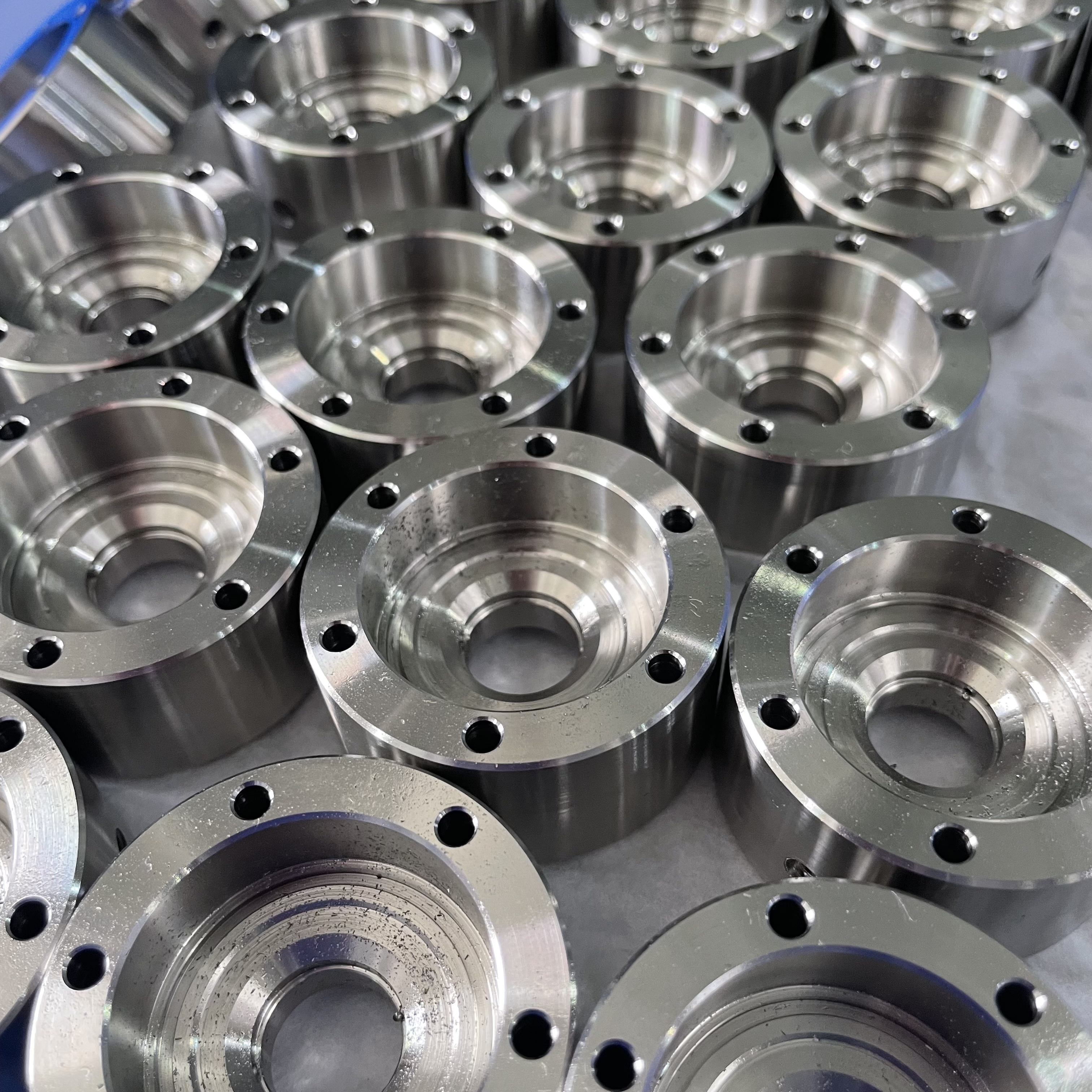
At Precision Fab CNC Machining, we specialize in producing parts for prototypes, short runs, and high-volume production. Our prototyping machine capabilities extend across metal, plastic, and wood machining, with welding fabrication services available to complement and finalize your prototype if required.
Address
Address: Room320 10F, Building A,Nanshan international building, Dayawan District, Huizhou, Guangdong, 516001 China
Contacts
billy@timaycnc.com