Reducing Environmental Impact with CNC Aluminum Machining

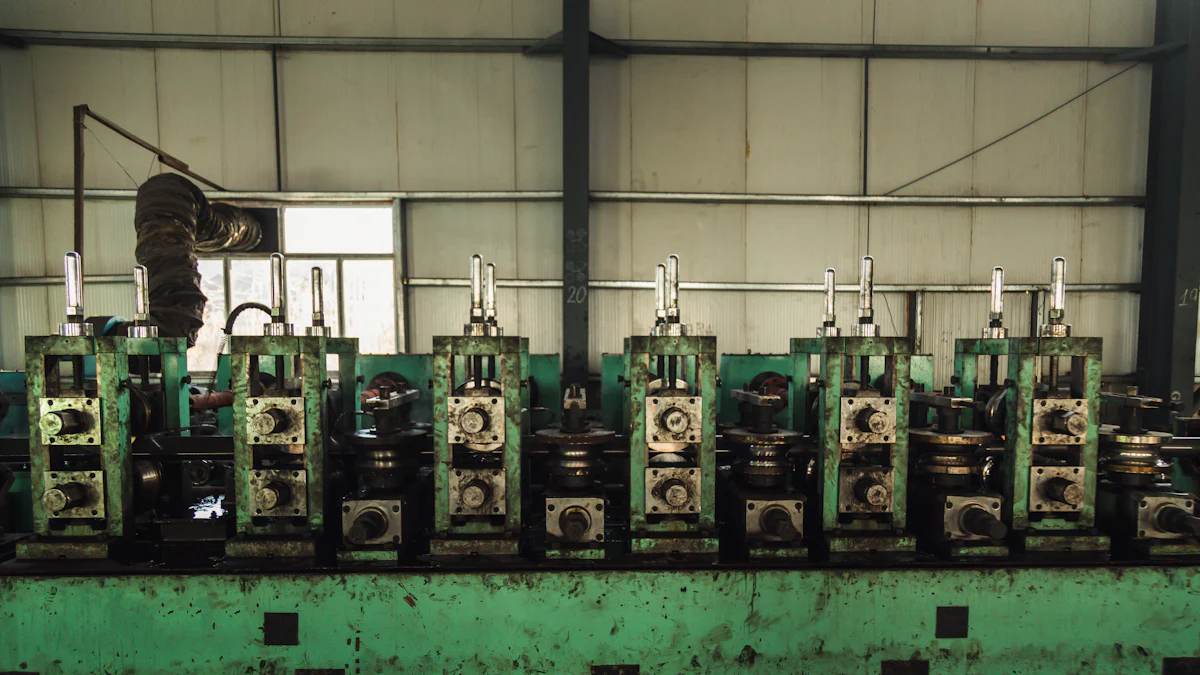
Sustainable manufacturing plays a vital role in protecting the environment. Traditional methods often lead to excessive energy consumption and material waste. For instance, CNC milling can generate up to 95% waste, while fossil fuels power most fabrication processes, contributing to pollution. CNC aluminum machining offers a solution by combining precision and efficiency. It minimizes material usage and reduces the need for prototypes, which helps achieve waste reduction. This approach also supports sustainability by optimizing resources and cutting down on unnecessary production steps. You can embrace this method to create eco-friendly products while conserving energy.
Key Takeaways
CNC aluminum machining cuts materials precisely, reducing waste during production.
Aluminum is eco-friendly since it is light, strong, and fully recyclable.
New CNC machines save energy and lower costs, helping the planet.
Recycling aluminum scraps saves resources and uses much less energy than making new aluminum.
Using green methods in CNC machining can improve your brand image and draw eco-friendly buyers.
Understanding CNC Aluminum Machining
The CNC Machining Process Explained
CNC aluminum machining involves a precise and automated process that transforms raw materials into finished parts. You can break this process into several key steps:
Material Preparation: Load and securely clamp the aluminum onto the CNC machine.
Tool Configuration: Attach the appropriate cutting tools to the machine's spindle based on the design requirements.
Application Run: Input the G-code file, which contains the instructions for the machine, to begin the machining process.
Monitoring: Observe the operation to ensure accurate cuts and check for tool wear.
Throughout the process, inspections play a critical role in maintaining quality. You start with a visual inspection of the raw aluminum. Then, a First Article Inspection (FAI) ensures the initial part meets design standards. During machining, in-process inspections verify dimensions and tolerances. Finally, a thorough evaluation of the completed parts ensures they meet quality standards.
This structured approach minimizes errors and waste, making CNC machines an essential tool for sustainable manufacturing.
Why Aluminum Is Ideal for Sustainable Manufacturing
Aluminum stands out as a material that supports eco-friendly practices. Its properties make it a top choice for sustainable manufacturing:
Lightweight: Aluminum weighs up to 65% less than steel, reducing energy consumption during transportation and machining.
Durability: Its strength ensures long-lasting products, reducing the need for frequent replacements.
Recyclability: Aluminum is 100% recyclable and retains its value even after repeated recycling.
Property | Description |
|---|---|
Recyclability | Aluminum is 100% recyclable and can be recycled repeatedly without losing its inherent value. |
Lightweight Nature | It weighs up to 65% less than steel, making it advantageous for various applications. |
Durability | Highly durable, contributing to long-lasting products. |
Energy Efficiency | Helps save energy and reduce greenhouse gas emissions in various applications. |
You can also use aluminum extrusions to further enhance sustainability. These extrusions allow for efficient material usage, reducing waste during production. When combined with CNC milling, aluminum becomes a cornerstone of eco-friendly manufacturing.
Reducing Waste with CNC Aluminum Machining

Precision Cutting for Waste Reduction
CNC machines excel at precision cutting, which plays a vital role in reducing waste. These machines allow you to control material removal with incredible accuracy, ensuring minimal material waste. Advanced CAM software enhances this process by efficiently nesting parts on raw materials, reducing scrap.
CNC machining ensures precise programming of movements, which reduces cutting errors.
The precision of CNC machines minimizes mistakes during production, decreasing the chances of scrapping materials.
Consistent machining quality allows for early detection of defects, preventing unnecessary waste.
By using CNC aluminum machining, you can achieve waste reduction while maintaining high-quality production standards. This approach not only saves resources but also supports sustainability by optimizing material usage.
Material Optimization with Advanced Software
Advanced software tools in CNC machining help you achieve optimal material utilization. Predictive simulation software identifies inefficiencies before production begins, minimizing material waste. Digital twins allow you to test machining processes virtually, avoiding physical alterations that could lead to waste.
Optimization software calculates the best feed rates for various cutters, improving efficiency.
Machine monitoring software provides insights into equipment performance, ensuring smooth operations.
Toolpath simulation software enhances machining by comparing monitored and scheduled feed rates.
These tools enable nesting and multi-part machining, which further reduces waste. By leveraging these technologies, you can maximize the potential of aluminum extrusions and ensure efficient production processes.
Recycling Aluminum Scraps for Sustainability
Recycling metal scraps is a cornerstone of sustainable CNC machining. Aluminum's recyclability makes it an ideal material for reducing waste and conserving resources. Recycling aluminum scraps uses 95% less energy than producing new aluminum, significantly lowering energy consumption.
Recycling reduces greenhouse gas emissions by up to 90% compared to primary production.
It decreases landfill waste, supporting a circular economy.
By recycling, you help preserve natural resources by reducing the need for bauxite extraction.
Incorporating recycling practices into your CNC machining operations not only reduces waste but also aligns with sustainability goals. This approach ensures that cnc machined aluminum contributes to a greener future.
Energy Efficiency in CNC Aluminum Machining
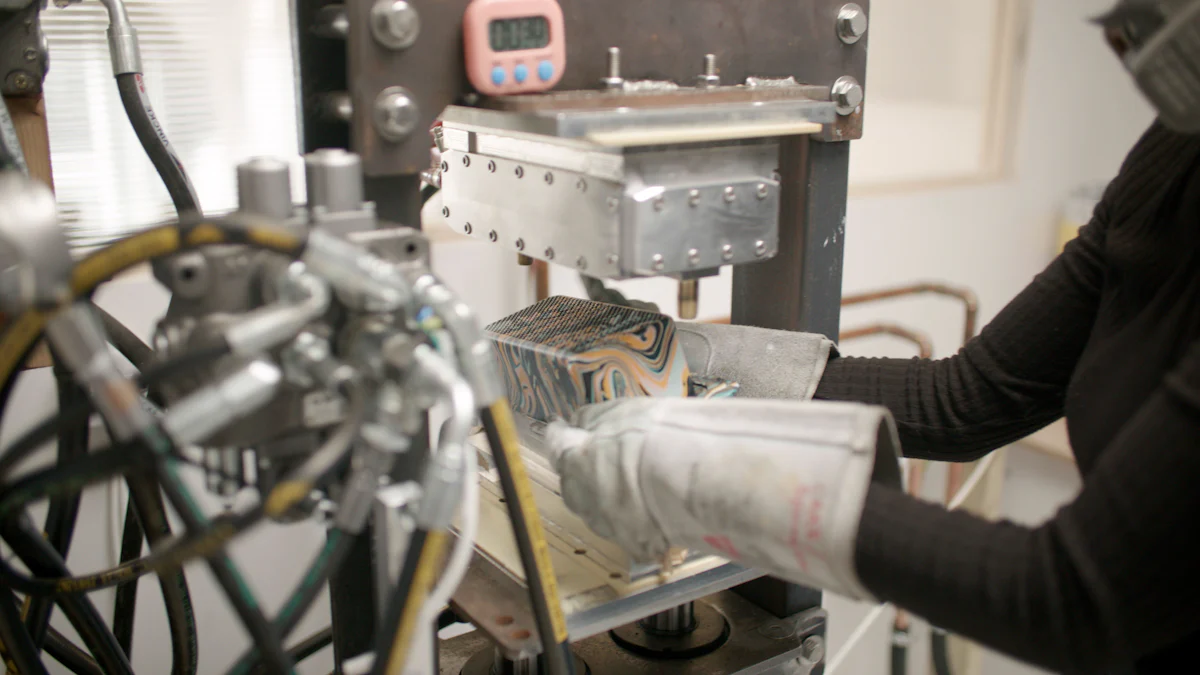
Energy-Saving Features of Modern CNC Machines
Modern CNC machines come equipped with features that help you save energy and reduce operational costs. These machines focus on using only the energy required for specific tasks, unlike manual cutting methods that consume more energy. Here are some key energy-saving features you can leverage:
Regenerative Braking Systems: These systems capture and reuse energy during braking or deceleration.
Variable Speed Drives (VSDs): Machines adjust their speed based on the load, ensuring energy is not wasted.
Toolpath Optimization: CAM software minimizes unnecessary movements, reducing energy use.
High-Efficiency Cutting Tools: Advanced tools enhance cutting performance while consuming less energy.
Coolant Management Systems: Efficient cooling systems prevent excess energy consumption.
Real-Time Monitoring: Analytics tools track energy usage and identify inefficiencies.
Additionally, automatic shut-off capabilities prevent energy waste when machines are idle. By investing in energy-efficient machines, you can achieve efficiency through automation while lowering your carbon footprint.
Using Renewable Energy in CNC Facilities
Integrating renewable energy into your CNC machining operations can significantly enhance sustainability. CNC machines can operate using clean energy sources, reducing reliance on fossil fuels. Consider these renewable energy options:
Renewable Energy Source | Application in CNC Machining Facilities |
|---|---|
Solar Panels | Power operations and reduce dependence on non-renewable energy. |
Wind Turbines | Provide energy to lower the carbon footprint of machining processes. |
By adopting renewable energy, you can transform your facility into a model of green manufacturing facilities. This approach not only supports sustainability but also reduces long-term energy costs.
Reducing Carbon Footprint Through Efficient Operations
You can reduce the carbon footprint of CNC machined aluminum by implementing sustainable practices. Start by recycling aluminum extrusions and scraps, which conserves raw materials and reduces energy consumption. Use energy-efficient machines with advanced controls to optimize energy usage. Optimize machining processes to minimize waste and energy use.
Sustainable materials like recycled metals and biodegradable plastics further enhance your efforts. These strategies improve environmental impact, reduce costs, and attract environmentally conscious customers. By focusing on efficiency through automation and sustainability, you contribute to a greener future.
Broader Benefits of Sustainable CNC Machining
Cost Savings Through Waste Reduction and Efficiency
Sustainable CNC machining offers significant cost-saving opportunities. By reducing waste and improving efficiency, you can lower operational expenses while maintaining high-quality production. CNC machines maximize material usage, which reduces the need for frequent material purchases. Over time, this leads to substantial savings.
Initial investments in CNC machines may seem high, but the long-term financial benefits outweigh the costs. Energy-efficient practices, such as using modern CNC machines with advanced features, also help reduce costs by lowering energy bills.
Strategy | Cost Savings |
|---|---|
Reduce Material Use | Less material purchase needed |
Implement Energy-Efficient Practices | Lower energy bills |
By adopting these strategies, you can achieve both economic and environmental benefits, making CNC aluminum machining a cost-effective solution for your operations.
Enhanced Productivity with Lean Manufacturing
Lean manufacturing principles can transform your CNC machining processes. This approach focuses on identifying and eliminating waste, which leads to more efficient operations. By implementing lean practices, you can improve the quality of your products and ensure that your machining processes consistently deliver high-quality results.
Lean manufacturing eliminates unnecessary steps, streamlining production.
Maximizing tooling efficiency reduces waste and enhances productivity.
Just-in-Time (JIT) production aligns manufacturing with customer demand, minimizing overproduction.
These practices not only enhance productivity but also support sustainability. By focusing on efficiency, you can optimize your CNC machines and achieve better results with fewer resources.
Building Brand Reputation with Eco-Friendly Practices
Adopting sustainable CNC machining practices can elevate your brand reputation. Customers increasingly value eco-friendly initiatives, and showcasing your commitment to sustainability can set you apart from competitors. Companies like Beska Mold and Stecker Machine have demonstrated how eco-friendly CNC practices can enhance brand image.
Beska Mold is recognized for its dedication to sustainable CNC machining, setting industry standards.
Stecker Machine highlights sustainability as a core value, showcasing its achievements in eco-friendly manufacturing.
By following their example, you can position your brand as a leader in sustainable manufacturing. This not only attracts environmentally conscious customers but also strengthens your market presence.
CNC aluminum machining offers a powerful way to reduce waste and improve energy efficiency. These machines use advanced controls and sensors to optimize energy consumption, lowering emissions and material waste. By adopting lean manufacturing principles and recycling materials, you can minimize excess waste and create a closed-loop system.
Sustainable CNC practices also provide economic benefits. Energy-efficient machines reduce operational costs, while optimized resource utilization saves money on materials. Eco-friendly operations attract environmentally conscious customers, enhancing your brand reputation and boosting revenue.
By embracing CNC aluminum machining, you contribute to a greener future. Efficient resource use, renewable energy integration, and sustainable materials help lower your carbon footprint. Start adopting these practices today to align your operations with environmental and economic goals. 🌱
FAQ
What makes CNC aluminum machining eco-friendly?
CNC aluminum machining reduces waste through precision cutting and material optimization. Aluminum's recyclability further supports sustainability. Modern CNC machines also feature energy-saving technologies, which lower energy consumption. By combining these factors, you can minimize environmental impact while maintaining efficient production.
How does recycling aluminum scraps benefit the environment?
Recycling aluminum scraps uses 95% less energy compared to producing new aluminum. This process reduces greenhouse gas emissions and conserves natural resources. By recycling, you help create a circular economy, which minimizes landfill waste and supports sustainable manufacturing practices.
Can CNC machines run on renewable energy?
Yes, CNC machines can operate using renewable energy sources like solar panels or wind turbines. Switching to clean energy reduces your facility's reliance on fossil fuels. This change lowers your carbon footprint and aligns your operations with green manufacturing goals.
Is CNC aluminum machining cost-effective?
Yes, CNC aluminum machining saves costs by reducing material waste and energy usage. Advanced software optimizes production, which minimizes errors and scrap. Although initial investments in CNC machines may seem high, long-term savings on materials and energy make it a cost-effective solution.
How does CNC machining improve productivity?
CNC machining enhances productivity through automation and precision. Lean manufacturing principles eliminate unnecessary steps, streamlining operations. Advanced tools and software ensure consistent quality, which reduces downtime. By adopting CNC machining, you can achieve faster production cycles and higher output with fewer resources.
See Also
Benefits of Utilizing Aluminum CNC Machining Services Today
Streamlined CNC Machining Solutions for Accurate Production
CNC Machining Aluminum Alloys 6061 and 7075: 2024 Insights
Investigating CNC Machining Services for High Precision Production
Enhancing Quality Through Advanced CNC Precision Machining Techniques
About US
Follow Us
Your prototype holds unparalleled significance, and we deeply value its uniqueness. Collaborating with you during the preparation phase for running your prototype or parts is a commitment we gladly embrace. Whether it's a single part or a complex assembly, we are dedicated to selecting the optimal tools and pathways to bring your envisioned product to life.
At Precision Fab CNC Machining, we specialize in producing parts for prototypes, short runs, and high-volume production. Our prototyping machine capabilities extend across metal, plastic, and wood machining, with welding fabrication services available to complement and finalize your prototype if required.
Address
Address: Room320 10F, Building A,Nanshan international building, Dayawan District, Huizhou, Guangdong, 516001 China
Contacts
billy@timaycnc.com