The Return on Investment (ROI) of CNC Automatic Machines in High-Volume Production

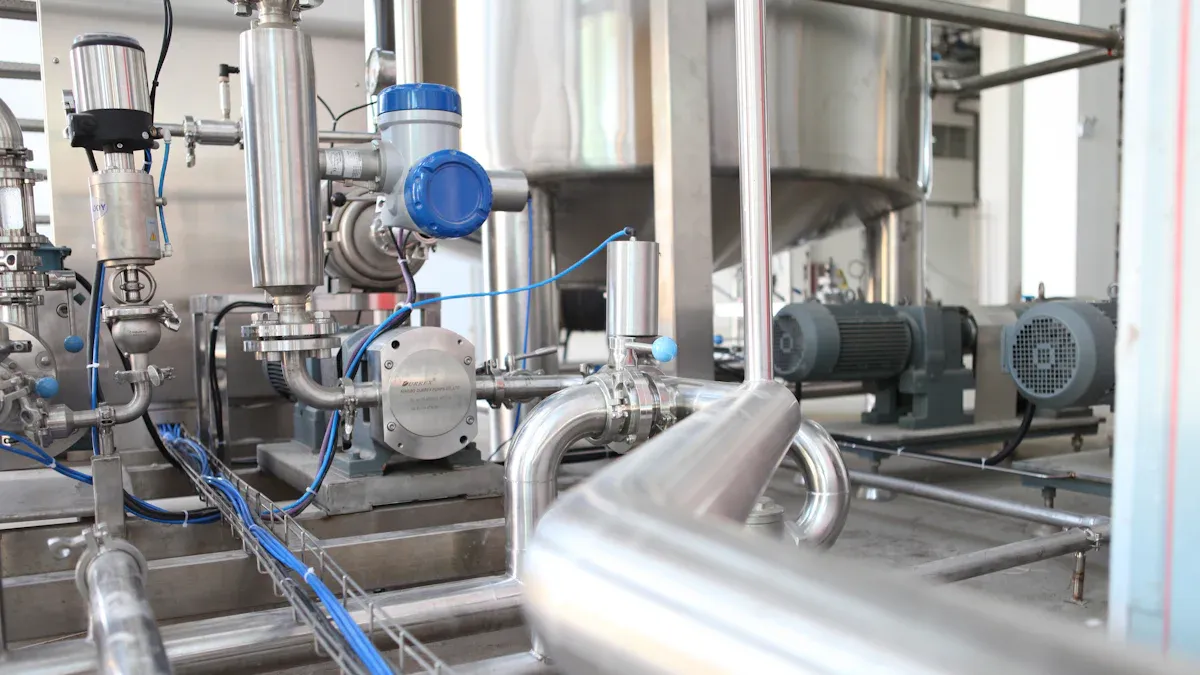
Investing in CNC automatic machines transforms high-volume production. These machines enhance efficiency by streamlining operations, reducing downtime, and ensuring consistent quality. Automation enables continuous operation, replacing multiple machinists and cutting labor costs. By optimizing processes, CNC machining delivers a strong return on investment, improving profitability while addressing the challenges of scaling production.
Key Takeaways
Buying CNC machines helps by automating work, saving time, and keeping quality steady. This saves a lot of money.
Training workers is very important. It lowers mistakes, keeps workers safe, and helps machines work better, making production faster.
CNC machines run all the time. They help companies make more products quickly while keeping good quality.
Total Cost of Ownership in CNC Machining
Acquisition and Installation Costs
When considering CNC machines, acquisition costs vary significantly based on the type and complexity of the machine. For instance, entry-level desktop CNC routers cost between $150 and $500, while high-end industrial machines can exceed $500,000. Below is a breakdown of typical costs:
CNC Machine Category | Cost |
|---|---|
Entry-level desktop CNC routers | $150-$500 |
Hobbyist machines and plasma tables | $1,000-$5,000 |
Professional CNC machines | $50,000-$100,000 |
Industrial fiber lasers | $100,000-$500,000+ |
Production 5-axis CNC milling machines | Over $500,000 |
Installation costs depend on the machine's size and complexity. Larger machines often require specialized infrastructure, such as reinforced flooring or dedicated power supplies, which can increase initial expenses. However, these investments pay off by enhancing production efficiency and long-term ROI.
Training and Workforce Development
Proper training is essential for maximizing the efficiency of CNC machining operations. Workers trained in CNC machining gain the skills to minimize errors, ensure safety, and optimize machine performance. This knowledge allows them to identify potential issues early, reducing downtime and improving production efficiency. Investing in workforce development not only enhances operational output but also ensures that your team can adapt to evolving technologies in CNC machining centers.
Maintenance and Operational Expenses
CNC machines require regular maintenance to ensure optimal performance. Annual maintenance costs typically range from $500 to $2,500, depending on the machine's complexity and usage frequency. While these costs may seem high, CNC machines are more cost-effective over time compared to traditional manufacturing methods. They reduce labor requirements, minimize material waste, and allow one operator to manage multiple machines. These factors significantly lower operational expenses, making CNC machining a smart long-term investment.
Tip: Regular maintenance schedules and proper operator training can extend the lifespan of your CNC machines, further reducing costs over time.
Operational Benefits Driving ROI
Increased Production Efficiency
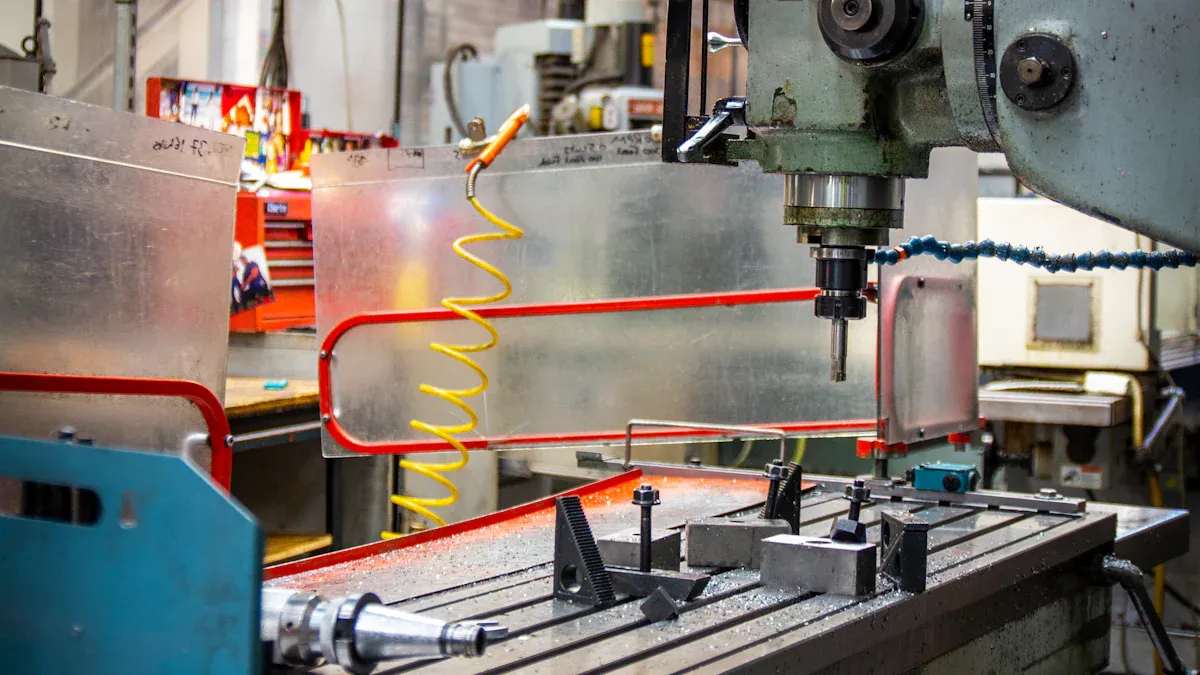
CNC machines significantly enhance production efficiency by automating repetitive tasks and reducing setup times. These machines operate with optimized energy consumption, using only what is necessary for each task. This efficiency not only lowers operational costs but also speeds up the manufacturing process, enabling faster turnaround times. By investing in high-quality CNC technology, you can achieve higher output levels while maintaining part quality.
Additionally, CNC machining minimizes downtime through advanced programming and real-time monitoring. Operators can manage multiple machines simultaneously, further boosting productivity. With reduced cycle times and streamlined operations, your business can meet high-volume production demands without compromising profitability.
Tip: Speeding up the CNC machining process while maintaining accuracy can save time and resources, directly impacting ROI.
Precision and Consistency in Manufacturing
CNC machines excel in delivering precision and consistency, ensuring every product meets exact specifications. By automating machine tools, these systems eliminate human error and improve repeatability. This capability results in consistent part quality across large production runs.
The use of computer-aided design (CAD) software allows CNC machines to execute intricate designs and complex geometries with unmatched accuracy. This precision reduces material waste and rework costs, as components are manufactured correctly the first time. Quality control measures, such as in-process inspections, further enhance performance by minimizing defects and ensuring compliance with design standards.
CNC machining's ability to maintain consistent accuracy not only improves product quality but also strengthens your reputation in the market.
Reduction in Labor Costs
CNC automation reduces labor costs by minimizing the need for manual intervention. Robotic systems handle repetitive tasks, allowing your workforce to focus on higher-value activities. This shift not only lowers operational cost savings but also increases overall efficiency.
Automation also eliminates manual errors, which can lead to costly rework or delays. By integrating digital control systems, you can achieve faster production speeds while maintaining accuracy. With fewer workers required to oversee operations, your business can allocate resources more effectively, further enhancing profitability.
Investing in CNC technology enables you to achieve operational cost savings while maintaining high levels of productivity and part quality.
Maximizing ROI Through Automation
24/7 Operation and Scalability
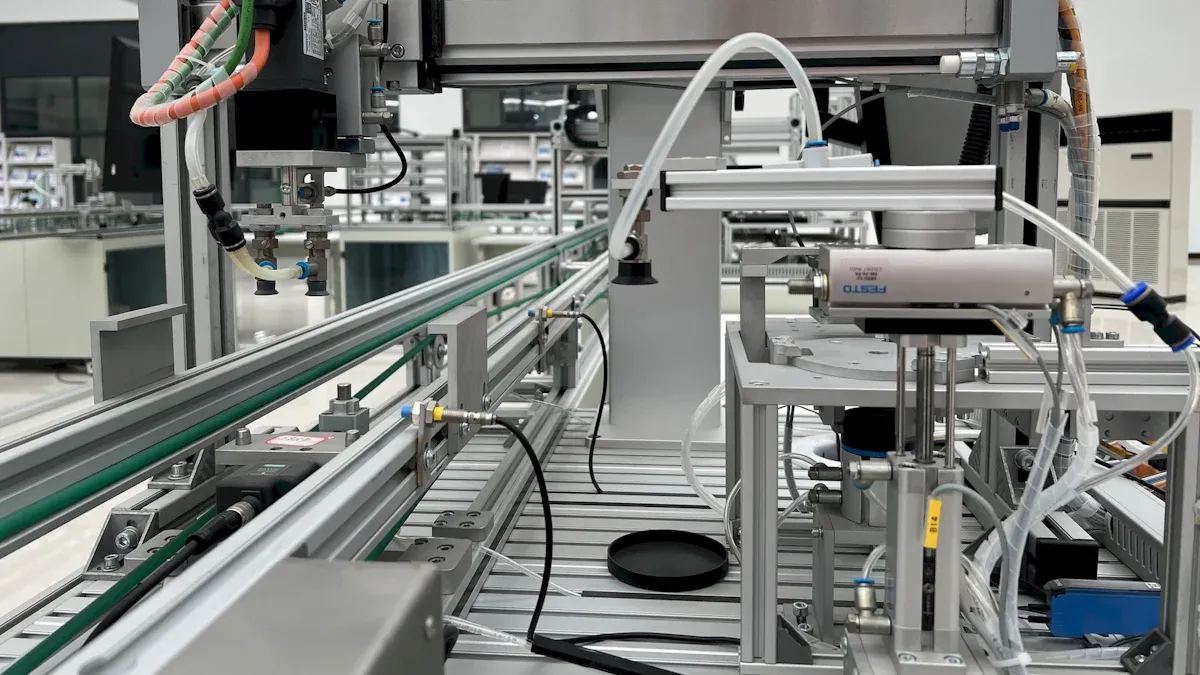
CNC machines operate continuously, enabling you to maximize production capacity without interruptions. This 24/7 functionality ensures that you can meet tight deadlines while maintaining high-quality standards. In dynamic markets, where demand fluctuates rapidly, this capability allows you to adapt production output efficiently. By scaling operations seamlessly, CNC machining supports your business in handling both small and large production runs with ease.
To fully leverage this advantage, you should focus on strategies like optimizing machine utilization and minimizing downtime. Regular maintenance and employee training play a crucial role in ensuring consistent performance. Selecting reliable CNC machines further enhances scalability, allowing you to meet growing demands without compromising efficiency.
Reduced Material Waste
CNC machining excels in precision, which significantly reduces material waste. By producing parts with exact specifications, you minimize the need for rework and scrap material. The computerized control of CNC machines ensures precise cutting and shaping, optimizing material usage compared to traditional methods.
This reduction in waste not only lowers disposal costs but also contributes to cost savings through better resource utilization. Additionally, adopting sustainable manufacturing practices can make your business eligible for government incentives and tax credits, further enhancing financial performance.
Tip: Implementing waste reduction strategies can improve both your environmental impact and your bottom line.
Enhanced Productivity and Output
CNC automation boosts productivity by streamlining processes and reducing programming time. Advanced CAM software generates efficient toolpaths quickly, allowing machinists to focus on other tasks. This optimization minimizes errors and reduces cycle times, leading to higher production efficiency.
With fewer mistakes and faster throughput, CNC machines enable you to achieve consistent production output while maintaining quality. By investing in advanced technology, you can enhance overall performance and meet high-volume production demands effectively.
Long-Term Financial Advantages of CNC Automation
Cost Savings Over Time
CNC automation offers substantial cost savings over its total life cycle cost. By reducing the need for manual labor, you can lower workforce expenses significantly. Automated systems also minimize human error, ensuring precise execution of commands and reducing material waste. Over time, these savings outweigh the initial investment, making CNC machining a cost-effective solution for high-volume production.
CNC machines operate continuously, maximizing productivity and minimizing downtime. This efficiency leads to faster turnaround times and higher output, directly impacting your bottom line. Additionally, automated systems require less frequent maintenance, further reducing the long-term costs of ownership.
Tip: Regularly updating your CNC software and hardware can enhance performance and extend the machine's lifespan, amplifying your return on investment.
Market Expansion Opportunities
Adopting CNC automation opens doors to new markets. Industries like electric vehicles, renewable energy, and healthcare increasingly demand precision machining for components such as battery enclosures, wind turbine parts, and medical devices. By leveraging CNC technology, you can meet these demands with unmatched accuracy and consistency.
The shift toward smart manufacturing and digitization also creates opportunities for growth. CNC systems integrated with AI enhance design processes and improve efficiency, allowing you to adapt quickly to market changes. This flexibility positions your business to capitalize on emerging trends and expand its reach.
Note: Staying ahead of technological advancements in CNC machining ensures your business remains competitive in evolving industries.
Competitive Edge in High-Volume Production
CNC automation provides a distinct advantage in high-volume production industries. Automated systems enable rigorous process control and rapid cycle times, ensuring consistent, high-quality output at scale. Once programmed, CNC machines produce components efficiently, reducing the time needed to meet customer demands.
Advanced features like multi-axis machining and toolpath optimization streamline operations, allowing continuous production without sacrificing accuracy. This capability supports scalability, enabling you to handle increased production volumes with ease. By maintaining superior performance and efficiency, CNC automation keeps your business competitive in demanding markets.
CNC machining's ability to deliver precision, consistency, and scalability makes it an indispensable tool for high-volume production.
Strategic Considerations for CNC Investments
Evaluating ROI Metrics
Understanding the return on investment (ROI) is crucial when adopting CNC technology. You should evaluate key metrics to ensure your investment aligns with your business goals. Start by identifying the total cost of investment, including acquisition, installation, and training expenses. Next, estimate how CNC automation will improve production efficiency and reduce operational costs. Assess additional revenue opportunities created by faster turnaround times and higher-quality output.
Long-term financial benefits also play a significant role. Consider the total life cycle cost of the machine and how regular maintenance and employee training can optimize its performance. Reliable CNC machines with advanced features often deliver better ROI. Use these calculations to guide future investments and ensure sustainable growth.
Tip: Regularly review ROI metrics to adapt your strategy and maximize profitability.
Selecting the Right CNC Machine Vendor
Choosing the right vendor is critical for successful CNC implementation. Look for providers with extensive experience and a proven track record. Evaluate their production capacity, especially if you require mass production or prototype specialization. Ensure the vendor offers high-quality equipment and materials that meet your specific needs.
Other factors to consider include certifications, lead times, and communication effectiveness. Vendors committed to continuous improvement and rapid prototyping often provide better support. Additionally, assess their location and ability to deliver timely services. A reliable vendor ensures smooth operations and enhances your machine tool selection process.
Partnering with a trusted vendor ensures consistent performance and long-term success.
Planning for Long-Term Success
Strategic planning is essential for maximizing the benefits of CNC automation. Invest in scalable solutions that can adapt to technological advancements. Choose systems with built-in safety features to ensure compliance and reduce risks. Explore financial assistance options, such as grants and tax incentives, to support your investment.
Engaging employees early in the transition process can also drive success. Communicate the benefits of automation and provide comprehensive training to reduce resistance. Phased implementation allows you to maintain production levels while gradually integrating new systems. Adaptable robotic systems capable of handling various tasks and materials further enhance flexibility.
Strategy | Description |
|---|---|
Scalable Automation Solutions | Invest in systems that evolve with technology advancements. |
Built-in Safety Features | Ensure compliance and reduce risks with safety mechanisms. |
Financial Assistance Options | Leverage grants and tax incentives to support automation investments. |
Clear Communication | Engage employees by explaining the benefits of automation. |
Phased Implementation | Gradually integrate automation to maintain production levels. |
Adaptable Robotic Systems | Use systems that handle diverse tasks and materials efficiently. |
Planning for the future ensures your CNC investment remains profitable and adaptable to market changes.
CNC automation delivers measurable financial and operational benefits, making it a cornerstone of high-volume production.
Cost savings arise from reduced cycle times, optimized tool paths, and minimized material waste.
Precision and consistency ensure high-quality output, while automation lowers labor costs and enhances safety.
Scalability and flexibility support diverse production needs, enabling businesses to adapt to market demands.
Strategic planning is essential for maximizing ROI. Evaluate total life cycle costs, optimize machine utilization, and prioritize regular maintenance. These steps enhance efficiency and reduce operational expenses.
Conduct a SWOT analysis to align CNC investments with your goals.
Assess financial impacts, including cost-benefit analysis and cash flow.
Explore scalable solutions to future-proof operations.
Investing in CNC automation positions your business for long-term success. By aligning production goals with advanced technology, you can achieve operational excellence and maintain a competitive edge.
FAQ
What industries benefit the most from CNC automation?
CNC automation benefits industries like automotive, aerospace, healthcare, and electronics. These sectors demand precision, scalability, and high-volume production, which CNC machines deliver efficiently.
How can you calculate the ROI of CNC machines?
To calculate ROI, compare total costs (acquisition, maintenance, training) with savings from reduced labor, material waste, and increased production efficiency. Include revenue growth from improved output quality.
Are CNC machines suitable for small businesses?
Yes, CNC machines suit small businesses. Entry-level models offer affordability and scalability, enabling you to improve production quality and efficiency without significant upfront investment.
Tip: Start with a cost-benefit analysis to determine the right CNC machine for your business needs.
See Also
Streamlined CNC Machining Solutions For Accurate Production
The Role Of CNC Technology In Precision Manufacturing Evolution
Exploring CNC Precision Machining Benefits And Emerging Trends
Understanding CNC Technology Advancements And Its Manufacturing Applications
Analyzing CNC Milling Costs: What Precision Machining Really Costs
About US
Follow Us
Your prototype holds unparalleled significance, and we deeply value its uniqueness. Collaborating with you during the preparation phase for running your prototype or parts is a commitment we gladly embrace. Whether it's a single part or a complex assembly, we are dedicated to selecting the optimal tools and pathways to bring your envisioned product to life.
At Precision Fab CNC Machining, we specialize in producing parts for prototypes, short runs, and high-volume production. Our prototyping machine capabilities extend across metal, plastic, and wood machining, with welding fabrication services available to complement and finalize your prototype if required.
Address
Address: Room320 10F, Building A,Nanshan international building, Dayawan District, Huizhou, Guangdong, 516001 China
Contacts
billy@timaycnc.com