The Return on Investment (ROI) of CNC Services

Understanding the return on investment is crucial when evaluating CNC Machining services. It helps you assess how your investment impacts productivity and profitability. Companies using advanced CNC technologies have reported up to 30% higher productivity and a 15% drop in operational costs.
Doing a Return on Investment (ROI) analysis can help you to make a good decision on whether to buy an expensive or less expensive machine.
ROI analysis also shows how investments affect cash flow. For many businesses, a 20% or higher ROI is considered acceptable.
Technology Type | Impact on Operations | Potential ROI (%) |
|---|---|---|
CNC Software Optimization | Enhanced precision and reduced waste | 20% |
Automation Systems | 24/7 production capability | 35% |
Data Analytics Tools | Improved decision-making and forecasting | 22% |
Key Takeaways
Knowing ROI helps you see how CNC affects money and work.
Keeping machines in good shape and training workers improves results.
To find ROI, add up costs and guess money benefits for smart choices.
CNC machines cut down waste and worker costs, saving money and earning more.
Using CNC for valuable markets can grow sales and beat competitors.
Understanding ROI in CNC Machining
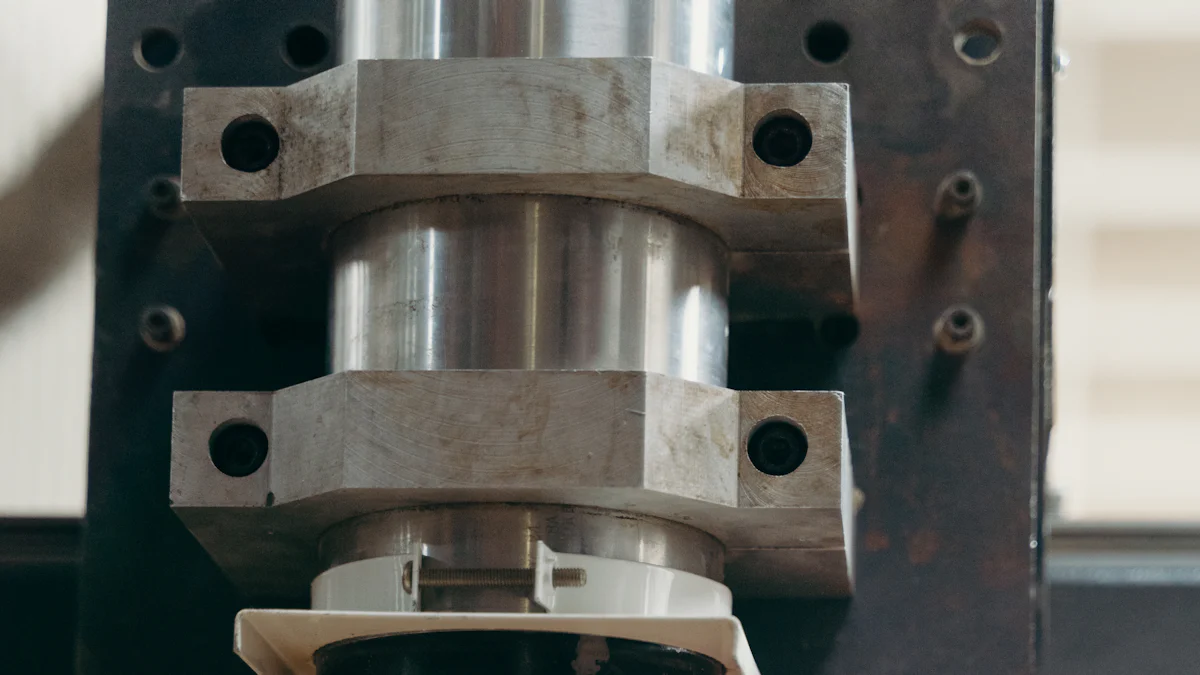
What Is ROI?
ROI, or return on investment, measures the profitability of an investment relative to its cost. It helps you determine whether a financial decision adds value to your business. In CNC machining, ROI evaluates how investments in equipment, software, and training translate into measurable benefits. These benefits often include reduced operational costs, improved production efficiency, and higher revenue.
To calculate ROI, you subtract the total costs from the total benefits and divide the result by the total costs. For example, if a CNC machine costs $100,000 and generates $150,000 in benefits, the ROI would be 50%. This simple formula provides a clear picture of the financial impact of your investment.
Why ROI Matters for CNC Services
ROI is a critical metric for evaluating CNC services. It allows you to measure how effectively your resources are being used. By understanding ROI, you can assess whether investments in CNC machining yield satisfactory profits.
It helps you measure the effectiveness of your investments.
It provides insights into how well resources translate into financial gains.
It ensures that your spending aligns with your business goals.
For example, advanced CNC machines often reduce labor costs and improve product quality. These improvements directly impact your bottom line, making ROI a valuable tool for decision-making.
Calculating the return on investment is essential to determine if CNC machines are the right choice for your business.
The Role of ROI Analysis in Decision-Making
ROI analysis plays a vital role in guiding your decisions about CNC machining. It helps you evaluate the total life cycle cost of a machine, from initial purchase to ongoing maintenance. This comprehensive approach ensures you make informed choices.
Here’s how ROI analysis can help:
Evaluate the total cost of ownership, including purchase, installation, and operational expenses.
Assess the financial benefits, such as increased production capacity and reduced waste.
Use ROI calculations to prioritize investments and plan for future upgrades.
By focusing on ROI, you can optimize your CNC operations for maximum profitability. For instance, investing in regular maintenance and staff training can enhance machine performance and extend its lifespan.
Costs Involved in CNC Machining
Understanding the costs associated with CNC machining is essential for evaluating its ROI. These costs can be divided into initial costs, ongoing operational costs, and hidden costs. Each category plays a significant role in determining the financial impact of your investment.
Initial Investment Costs
Equipment and Setup
The initial costs of CNC machining often include equipment and setup costs. CNC machines vary in price based on their size, cutting speed, and automation features. Accessories like coolants, measuring tools, and programming software also add to the setup costs. Additionally, you need to account for material costs, which depend on the type and machinability of the materials you plan to use.
Other setup costs include programming and tooling expenses. Skilled labor required for machine setup and preparation can further increase these costs. For example, hourly rates for CNC operators and technicians vary depending on the complexity of the machine and the project.
Software and Training
Software and training are critical components of the initial costs. CNC machines often require specialized CAD/CAM software, which may involve upfront licensing fees or ongoing subscriptions. Regular software updates ensure compatibility and access to new features but can add to the overall cost.
Training costs are another important consideration. You may need to invest in training for new operators or when upgrading to advanced machines. This ensures your team can operate the equipment efficiently, reducing errors and maximizing productivity.
Cost Component | Description |
|---|---|
CAD/CAM Software | Specialized software with licensing fees and periodic updates. |
Training Costs | Necessary for new operators or software upgrades. |
Software Maintenance | Regular updates to maintain compatibility and access new features. |
Ongoing Operational Costs
Maintenance and Repairs
Ongoing operational costs include maintenance and repairs. Regular preventive maintenance helps avoid unexpected breakdowns but incurs costs for labor and spare parts. Unplanned repairs can disrupt production and lead to additional expenses.
Energy and Labor
Energy consumption is another significant factor. CNC machines consume substantial power, especially during intensive operations. The size and type of the machine, along with daily operating hours, influence energy costs. Labor costs also contribute to operational expenses, as skilled operators and technicians command higher salaries.
Hidden Costs
Downtime During Implementation
Hidden costs like downtime during implementation can affect your ROI. When integrating new CNC machines, you may experience delays in production. This downtime increases operational costs and impacts productivity.
Learning Curve Challenges
Learning curve challenges also play a role. Operators may take time to adapt to new equipment or software, leading to inefficiencies. These challenges must be factored into your cost considerations to accurately assess the ROI of CNC machining.
Including all cost considerations, from initial costs to hidden expenses, ensures a comprehensive evaluation of your CNC investment.
Financial Benefits of CNC Machining
Cost-Saving Advantages
Reduced Material Waste
CNC machining offers unmatched precision, which minimizes material waste. By optimizing cutting paths, CNC machines ensure maximum material utilization. This reduces scrap and saves money on raw materials. Unlike traditional methods, where human error can lead to costly mistakes, CNC machining consistently delivers accurate results. Over time, these savings contribute significantly to your return on investment.
Lower Labor Costs
Automation in CNC machining reduces the need for manual labor. A single skilled operator can manage multiple machines simultaneously, cutting down on labor expenses. This efficiency not only lowers costs but also enhances productivity gains. Traditional manufacturing often requires more personnel, increasing overhead. With CNC machining, you achieve cost efficiency while maintaining quality and precision in your products.
Revenue-Generating Opportunities
Enhanced Product Quality
CNC machining ensures superior quality and precision in every product. The high level of accuracy eliminates defects, leading to fewer returns and higher customer satisfaction. This reliability allows you to charge premium prices for your products, boosting revenue. Additionally, the ability to produce complex shapes consistently opens doors to new opportunities in industries demanding high standards, such as aerospace and medical manufacturing.
Faster Production Times
CNC machines operate continuously, enabling faster production cycles. Shorter setup times and optimized tool paths increase output, allowing you to meet tight deadlines and handle larger orders. Faster delivery enhances customer trust and loyalty, which translates into repeat business. By improving production speed, you can scale operations and achieve greater profitability.
Competitive Edge
Customization Capabilities
CNC machining provides the flexibility to create customized products with ease. Whether it’s intricate designs or small production runs, CNC machines adapt to your needs without compromising quality. This capability helps you cater to niche markets and stand out from competitors. Customization also allows you to charge higher prices, further enhancing your financial returns.
Access to New Markets
The advanced capabilities of CNC machining enable you to explore new markets. For example, industries like automotive, medical, and aerospace demand high-quality, precise components. By leveraging CNC technology, you can meet these requirements and expand your customer base. Companies like Precision Metal Works and M.R. Mold & Engineering Corp. have successfully used CNC machining to enter competitive industries and achieve significant productivity gains.
CNC machining not only reduces costs but also drives revenue growth and strengthens your market position. Its ability to deliver quality and precision ensures long-term financial benefits for your business.
Calculating ROI for CNC Services
Step-by-Step ROI Analysis
Identifying Total Costs
The first step in ROI analysis involves identifying the total costs associated with CNC machining. These costs include the purchase price of the machine, installation expenses, and ongoing operational costs like maintenance and energy consumption. You should also account for hidden costs, such as downtime during implementation and the learning curve for operators. By understanding the total cost of ownership, you can create a solid foundation for your cost-benefit analysis.
Estimating Financial Benefits
Next, estimate the financial benefits your CNC machining investment will bring. These benefits often include increased production efficiency, improved product quality, and reduced labor costs. For example, CNC machines automate processes, minimizing human error and optimizing material usage. You can also calculate operational cost savings by reducing waste and improving tool performance through regular maintenance. These factors contribute to long-term profitability and help you assess the value of your investment.
Applying the ROI Formula
Once you have identified costs and benefits, apply the ROI formula
For instance, if your CNC machine costs $80,000 and generates $120,000 in financial benefits, the ROI would be 50%. This calculation provides a clear picture of how your investment impacts your bottom line. Use this formula to guide your decisions and prioritize investments that offer the highest returns.
Example ROI Calculation
Hypothetical Scenario
Imagine you invest $100,000 in a CNC machine. The machine reduces material waste, saving $20,000 annually, and increases production efficiency, generating an additional $50,000 in revenue each year. Over five years, the total financial benefits amount to $350,000.
Interpreting the Results
To calculate the ROI, subtract the total costs ($100,000) from the total benefits ($350,000) and divide by the total costs:
ROI = ($350,000 - $100,000) / $100,000 = 2.5 or 250%
This result indicates a highly profitable investment. When interpreting ROI results, consider the total life cycle cost, including maintenance and operational expenses. Regular maintenance and staff training can further enhance machine performance, ensuring consistent returns. Use ROI analysis to guide future investments and optimize your CNC operations.
A comprehensive ROI analysis helps you make informed decisions, ensuring your CNC machining investments align with your financial goals.
Maximizing Return on Investment in CNC Machining
Optimizing Operations
Regular Maintenance
Regular maintenance is essential for keeping your CNC machines in top condition. It extends the lifespan of your equipment and minimizes unexpected breakdowns. Scheduled inspections and timely part replacements ensure consistent performance. This reduces unscheduled downtime and protects your financial investment. Proper maintenance also enhances product quality by lowering scrap rates, which directly contributes to maximizing return on investment. By maintaining your machines, you can project the long-term financial benefits of your CNC machining operations.
Workflow Efficiency
Streamlining your workflow improves productivity and reduces operational costs. Start by analyzing your production processes to identify bottlenecks. Optimizing machine utilization ensures minimal downtime and maximizes output. You can also adopt advanced technology, such as automation systems, to enhance precision and speed. Efficient workflows not only save time but also improve overall profitability.
Reducing Waste and Downtime
Lean Manufacturing Practices
Lean manufacturing principles help you align production with demand, reducing waste and energy consumption. By integrating real-time monitoring tools, you can optimize processes and minimize excess material usage. Sustainable materials, like recycled metals, further reduce environmental impact and costs. These practices ensure efficient resource utilization, which directly improves your ROI.
Staff Training and Development
Investing in staff training enhances employee competency and reduces errors. Skilled operators can handle machines more efficiently, leading to fewer delays and higher productivity. Training programs also help your team adapt to new technologies, ensuring smooth transitions during upgrades. A well-trained workforce is a key factor in reducing downtime and maintaining consistent output.
Leveraging CNC Capabilities
Expanding Product Offerings
CNC machining allows you to diversify your product range with ease. By offering customized solutions, you can attract new customers and increase revenue potential. This flexibility helps you stand out in competitive markets. Expanding your offerings also fosters stronger client relationships, encouraging repeat business and boosting overall profitability.
Targeting High-Value Markets
Advanced CNC capabilities enable you to meet the demands of high-value industries, such as aerospace and medical manufacturing. These markets require precision and quality, which CNC machining delivers consistently. By targeting these sectors, you can increase your sales volume and profit margins. Entering high-value markets not only enhances your financial returns but also strengthens your competitive position.
By optimizing operations, reducing waste, and leveraging CNC capabilities, you can ensure that your investments yield maximum returns. These strategies help you achieve sustainable growth and long-term success.
ROI analysis plays a vital role in CNC machining. It helps you evaluate the total cost of ownership, including purchase, operation, and maintenance expenses, against the financial benefits like improved efficiency, reduced waste, and higher product quality. By understanding these factors, you can make informed decisions that align with your business goals.
Key takeaways include:
Assessing production efficiency improvements, such as faster output and lower material waste.
Quantifying cost savings and revenue growth from new market opportunities.
Prioritizing strategies like regular maintenance and workflow optimization to maximize returns.
A strategic approach ensures your CNC investments deliver long-term financial benefits and a competitive edge.
FAQ
What factors influence the ROI of CNC machining?
Several factors impact ROI, including equipment costs, operational efficiency, material waste reduction, and labor savings. You should also consider hidden costs like downtime during implementation and training expenses. Evaluating these elements helps you make informed investment decisions.
How can you calculate the ROI of a CNC machine?
Use the formula:
ROI = (Total Benefits - Total Costs) / Total Costs
Identify all costs (purchase, maintenance, energy) and benefits (efficiency, revenue growth). Subtract costs from benefits, then divide by costs to determine ROI.
Is CNC machining suitable for small businesses?
Yes, CNC machining benefits small businesses by reducing labor costs, improving product quality, and enabling customization. While the initial investment may seem high, the long-term savings and revenue potential often justify the expense.
How does CNC machining reduce material waste?
CNC machines use precise cutting paths to optimize material usage. This minimizes scrap and ensures efficient use of raw materials. Unlike manual methods, CNC machining consistently delivers accurate results, saving you money over time.
What industries benefit most from CNC machining?
Industries like aerospace, automotive, medical, and electronics benefit greatly. These sectors demand high precision, quality, and customization, which CNC machining provides. Expanding into these markets can boost your revenue and ROI.
Understanding these FAQs helps you make better decisions about CNC investments and maximize your returns.
See Also
Discovering CNC Machining Solutions for Accurate Production
Understanding CNC Milling Costs: What Precision Machining Entails
Streamlined CNC Machining Solutions for High-Quality Production
CNC Technology in Manufacturing: Exploring Innovations and Uses
CNC Precision Machining Effects: Benefits and Upcoming Trends
About US
Follow Us
Your prototype holds unparalleled significance, and we deeply value its uniqueness. Collaborating with you during the preparation phase for running your prototype or parts is a commitment we gladly embrace. Whether it's a single part or a complex assembly, we are dedicated to selecting the optimal tools and pathways to bring your envisioned product to life.
At Precision Fab CNC Machining, we specialize in producing parts for prototypes, short runs, and high-volume production. Our prototyping machine capabilities extend across metal, plastic, and wood machining, with welding fabrication services available to complement and finalize your prototype if required.
Address
Address: Room320 10F, Building A,Nanshan international building, Dayawan District, Huizhou, Guangdong, 516001 China
Contacts
billy@timaycnc.com