How to Select the Best Materials for CNC Machining Your Precision Parts

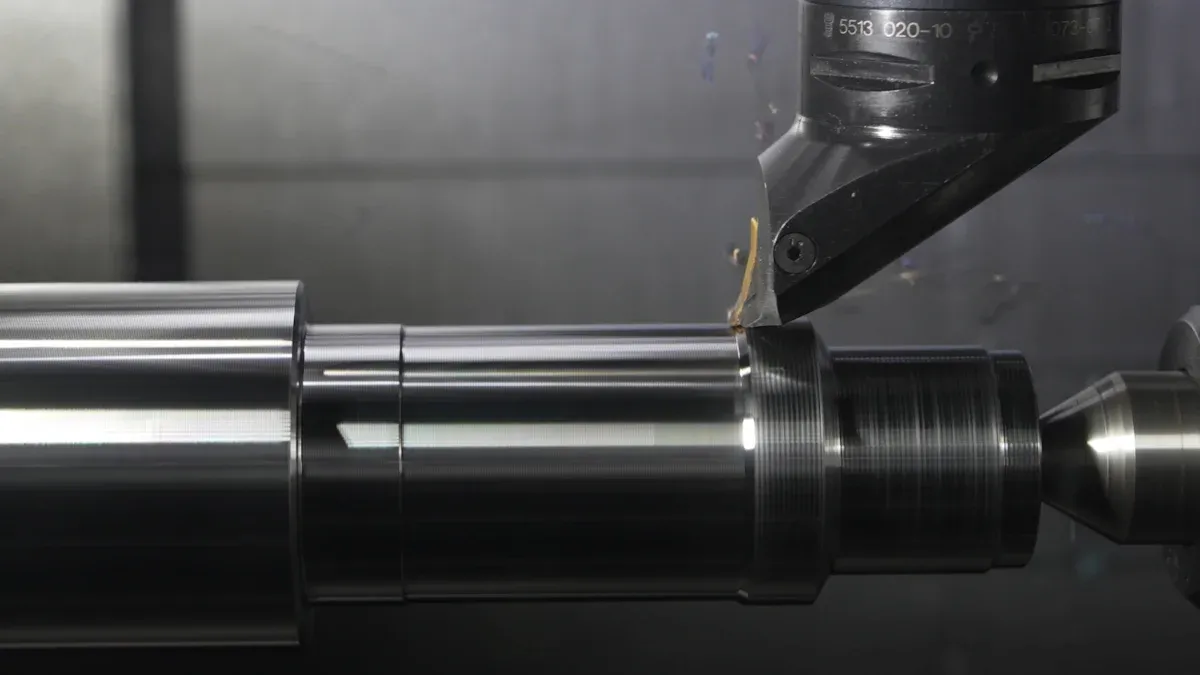
Choosing the right material for CNC machining ensures precision and durability. You must evaluate key factors like thermal properties, surface finish, and mechanical strength. Consider the operating environment, including exposure to chemicals or moisture. Balancing cost and machinability with functionality is essential for effective material selection in any CNC application material.
Key Takeaways
Picking the right material for CNC machining is very important.
Check properties like strength, hardness, and toughness to match your needs.
Think about heat and chemical resistance for tough environments.
Understanding CNC Application Material Requirements
Mechanical Properties for Precision CNC Machining Parts
When selecting materials for CNC machining, you must evaluate their mechanical properties to meet precision and accuracy requirements. Key properties include strength, hardness, toughness, ductility, and machinability. Strength and hardness are particularly important as they determine how well the material can resist deformation and wear during machining. For example:
Hardness ensures the material maintains sharp edges and resists wear.
Toughness helps the material absorb energy without fracturing.
Ductility allows the material to deform without breaking, which is essential for intricate designs.
Materials like stainless steel and carbon steel offer high strength but can be challenging to machine due to their hardness. This often requires specialized tooling and slower machining speeds to achieve precise results. Softer materials, such as aluminum, are easier to machine but may lack the durability needed for high-stress applications. Understanding these properties ensures your CNC application material aligns with your project requirements.
Thermal and Chemical Resistance in CNC Materials
Thermal and chemical resistance play a critical role in material performance, especially in demanding environments. Materials exposed to high temperatures during machining must resist expansion or softening to maintain precision. Metals like aluminum and tool steels excel in high-temperature applications, while plastics like PEEK offer exceptional thermal stability for specialized uses.
Key thermal properties to consider include:
Heat resistance and thermal conductivity.
Heat Deflection Temperature (HDT) and Glass Transition Temperature (Tg).
Chemical resistance is equally important for parts exposed to corrosive substances or sterilization processes. Stainless steel, for instance, resists corrosion and is ideal for medical and industrial applications. By evaluating these factors, you can select materials that meet both precision and accuracy requirements.
Application-Specific Needs for CNC Machining
Every CNC machining project has unique requirements. You must assess factors like operating temperature, surface finish, and environmental exposure to choose the right material. For example, aerospace components often require lightweight materials like aluminum or titanium alloys, which offer excellent strength-to-weight ratios. Medical devices, on the other hand, prioritize biocompatibility and corrosion resistance, making stainless steel or medical-grade plastics ideal choices.
Here’s a quick overview of application-specific considerations:
Property Type | Examples of Considerations |
|---|---|
Mechanical properties | Strength, hardness, wear resistance |
Thermal properties | Heat resistance, thermal conductivity |
Chemical properties | Corrosion resistance, biocompatibility |
Aesthetic properties | Surface finish, appearance |
Cost | Material cost, machinability |
By aligning material properties with your project requirements, you can ensure optimal performance and cost-effectiveness for your CNC application material.
Common Materials for Precision CNC Machining Parts
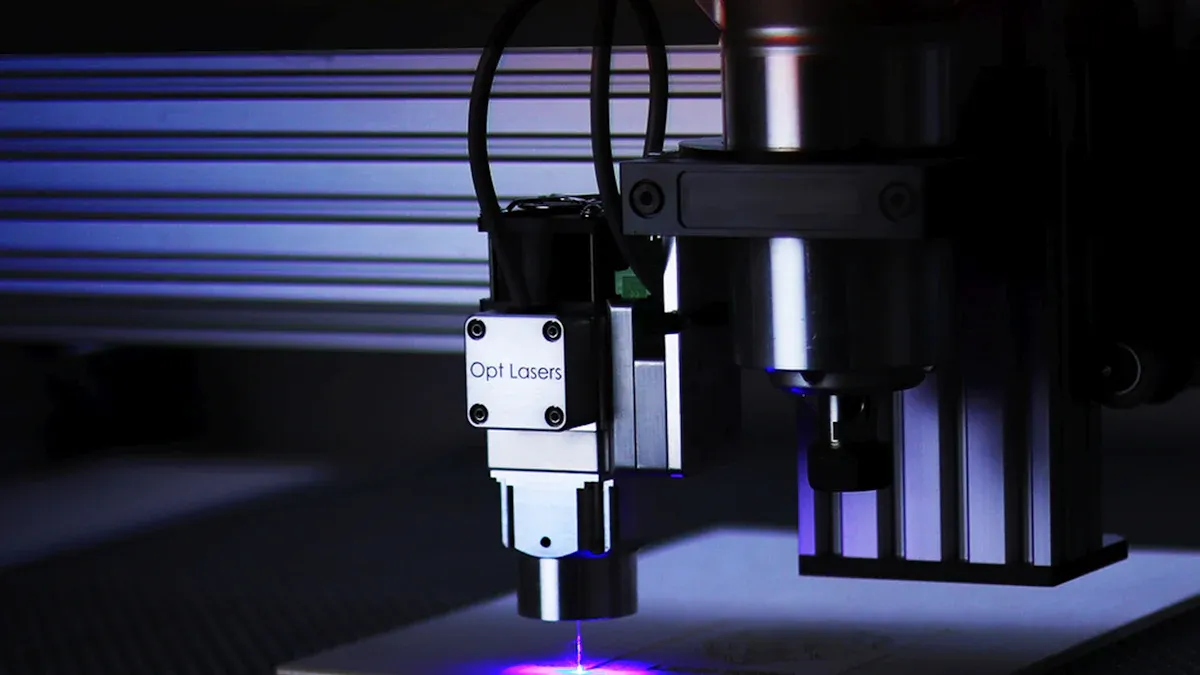
Metals: Aluminum, Steel, Titanium, and Brass
Metals are among the most common materials used in CNC machining due to their strength, durability, and versatility. Each metal offers unique properties suited for specific applications.
Metal Type | Properties | Applications |
|---|---|---|
Aluminum 6061 | Lightweight, good strength, excellent corrosion resistance | Aerospace components, automotive parts, consumer electronics |
Stainless Steel 304 | Strong, durable, excellent corrosion resistance | Kitchen equipment, architectural applications |
Stainless Steel 316 | Strong, durable, ideal for marine environments | Marine and industrial applications |
Tool Steel | Hardness, wear resistance | Cutting tools, molds, dies |
Brass | Excellent machinability, corrosion resistance | Gears, valves, decorative items |
Aluminum is lightweight and easy to machine, making it ideal for aerospace and automotive parts. However, it has a lower melting point, which limits its use in high-temperature environments. Steel, on the other hand, offers unmatched strength and wear resistance, making it suitable for heavy-duty applications. Brass is another excellent choice for its machinability and corrosion resistance, often used in decorative and functional components.
Plastics: ABS, Nylon, PEEK, and Polycarbonate
Plastics are lightweight and versatile, making them popular for CNC machining in industries like medical, automotive, and electronics.
Plastic Type | Unique Properties |
|---|---|
ABS | Toughness, impact resistance, ease of machining, lightweight, easily colored. |
Nylon | High strength, excellent wear resistance, moisture absorption, good chemical resistance. |
Polycarbonate | High impact strength, good machinability, toughness, transparency, excellent electrical properties. |
PEEK | Exceptional wear resistance, low moisture absorption, outstanding chemical resistance. |
PEEK stands out for its durability and resistance to wear, making it ideal for high-stress environments. Polycarbonate, while easier to machine, offers excellent impact resistance but is more prone to abrasion over time. ABS and Nylon are cost-effective options for lightweight and durable parts.
Composites: Carbon Fiber and Fiberglass
Composites like carbon fiber and fiberglass combine strength and lightweight properties, making them ideal for high-performance applications.
Carbon fiber offers exceptional strength-to-weight ratios, often used in aerospace and automotive industries.
Fiberglass provides excellent corrosion resistance and is more cost-effective than carbon fiber.
Both materials require specialized machining techniques to prevent delamination and ensure precision.
When machining composites, you must use sharp tools and proper cooling methods to avoid resin melting and achieve a smooth finish. These materials are perfect for applications requiring high strength without adding significant weight.
How to Select the Right CNC Material
Identifying Application-Specific Requirements
To select the right CNC material, you must first identify the specific requirements of your application. This involves evaluating several factors to ensure the material aligns with your project needs. Follow these steps:
Evaluate Thermal Properties: Determine the temperature range the part will encounter and ensure the material can withstand it.
Determine Surface Finish: Identify the desired finish for both aesthetic and functional purposes.
Evaluate Mechanical Properties: Assess the required strength, hardness, and durability for the application.
Consider Cost: Compare material options to find one that fits your budget.
Assess Environmental Factors: Analyze exposure to chemicals, moisture, or other elements that could impact performance.
By addressing these factors, you can streamline the CNC materials selection process and ensure the material meets all functional and environmental demands.
Evaluating Material Properties for CNC Machining
Matching material properties to your application is crucial for achieving optimal results. Consider the following key properties:
Thermal Properties: Ensure the material can handle the required temperature range without deforming.
Surface Finish: Choose a material that supports the desired texture or smoothness.
Mechanical Properties: Look for strength, hardness, and durability. For instance, high tensile strength is essential for load-bearing parts, while hardness is critical for wear resistance.
Cost: Balance performance with affordability to stay within budget.
Environmental Factors: Account for exposure to moisture, chemicals, or other conditions that may affect the material.
A material like aluminum offers excellent machinability and corrosion resistance, making it ideal for lightweight applications. On the other hand, stainless steel provides superior strength and durability for high-stress environments.
Balancing Cost, Performance, and Machinability
Balancing cost, performance, and machinability is key to selecting the right material. Materials with high machinability ratings simplify the manufacturing process, reduce tool wear, and improve production efficiency. For example, brass has excellent machinability, making it cost-effective for decorative and functional components.
However, you must also consider performance. While aluminum is affordable and easy to machine, it may not provide the strength needed for heavy-duty applications. Conversely, titanium offers exceptional strength but comes at a higher cost and requires specialized machining techniques.
To achieve the best results, prioritize materials that offer the right balance of cost, performance, and machinability for your specific application. This approach ensures efficiency and cost-effectiveness without compromising quality.
Cost and Machinability in Selecting the Right Materials
Machinability Ratings and Their Impact
Machinability ratings help you understand how easily a material can be cut, shaped, or drilled during CNC machining. These ratings vary significantly between metals, plastics, and composites, influencing tool wear, heat generation, and material removal rates. For example, metals like aluminum are easier to machine compared to harder materials like stainless steel, which require robust tools and slower cutting speeds. Plastics, on the other hand, are softer and generate less heat but may deform if overheated.
Here’s a comparison of machinability factors between metals and plastics:
Factor | Metals | Plastics |
|---|---|---|
Material Hardness | Harder and more rigid, requiring robust tools | Softer and more flexible, easier to cut |
Chip Formation | Produces sharp chips, safety concerns | Forms continuous/stringy chips, easier to manage |
Heat Generation | Generates significant heat, requires cooling | Generates less heat, but can melt if overheated |
Material Removal Rates | Slower rates due to hardness | Faster rates, but risk of deformation |
Tool Wear | More significant wear, needs wear-resistant tools | Less wear, but proper tool selection is critical |
Understanding these differences ensures compatibility with your CNC machine and helps you select the right materials for your project.
Cost-Performance Trade-offs in CNC Material Selection
Balancing cost and performance is crucial in CNC material selection. While high-performance materials like titanium offer exceptional strength, they come with higher costs and machining challenges. Conversely, materials like ABS or aluminum provide cost-effectiveness without compromising quality for many applications. Choosing the right parts supplier can also impact costs, as reliable suppliers often offer competitive pricing and customization and flexibility in material options.
Evaluate your project’s requirements carefully. For example, if durability and performance are critical, investing in premium materials may save costs in the long run by reducing maintenance or replacement needs.
Reducing Waste and Improving Efficiency
Reducing waste in CNC machining not only saves costs but also improves efficiency. You can achieve this by:
Utilizing reused materials to minimize waste.
Implementing closed-loop systems to recycle materials.
Adopting adaptive cutting techniques to optimize tool paths.
Employing laser cutting for precision and speed.
Calibrating machines for smaller cut widths to enhance material efficiency.
These strategies ensure cost-effectiveness without compromising quality, helping you achieve better results while maintaining sustainability.
Real-World Examples of Selecting the Right CNC Material
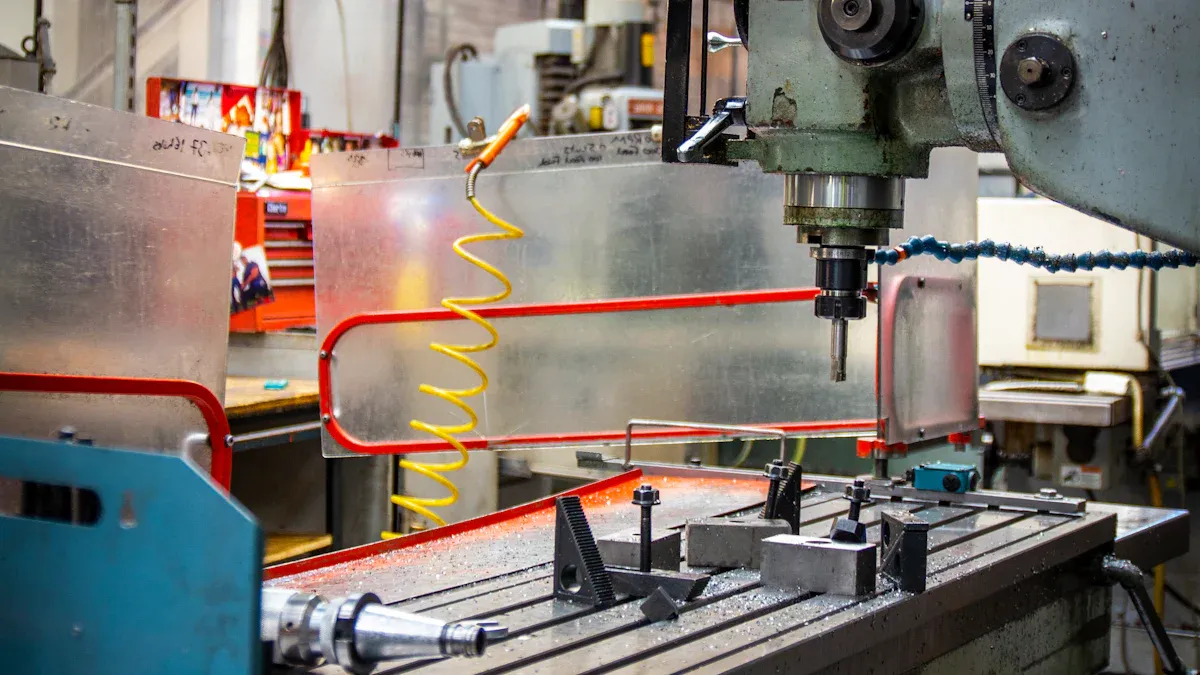
Aluminum for Aerospace Precision CNC Machining Parts
Aluminum is a top choice for aerospace applications due to its exceptional strength-to-weight ratio. This property allows you to minimize weight while maintaining structural integrity, which is critical for improving fuel efficiency and payload capacity. Its high machinability also enables the creation of intricate designs, making it ideal for complex aerospace components. Additionally, aluminum's thermal conductivity helps manage heat loads effectively, ensuring reliable performance in demanding environments.
In real-world applications:
NASA uses aluminum-lithium alloys in the Orion spacecraft for their lightweight and durable properties.
Boeing incorporates aerospace-grade aluminum in airplane components like wings and engine parts.
SpaceX relies on aluminum for constructing rocket bodies and capsules, ensuring strength without excessive weight.
These examples highlight aluminum's versatility and reliability in precision CNC machining parts for aerospace.
PEEK for Medical Device Applications
PEEK (Polyetheretherketone) is a standout material for medical devices due to its unique combination of properties. Its biocompatibility ensures safety when in contact with human tissue, while its radiolucency allows for clear imaging during X-rays, CT scans, and MRIs. PEEK also withstands sterilization processes without degrading, making it suitable for repeated use in medical environments.
Key benefits of PEEK include:
High mechanical strength, reducing the risk of stress shielding.
Elastic modulus closer to human bone, minimizing bone resorption compared to metal implants.
Resistance to wear and chemical degradation, ensuring long-term durability.
These qualities make PEEK an excellent choice for precision CNC machining parts in medical applications, where accuracy and reliability are paramount.
Steel for High-Stress Industrial Components
Steel is a go-to material for industrial applications requiring durability and strength. Its high tensile and yield strength allow it to withstand heavy loads and harsh conditions. Steel also offers excellent wear resistance, making it ideal for components exposed to abrasion or cyclic stress. Processes like quenching and tempering further enhance its hardness and toughness, ensuring long-lasting performance.
Property | Description |
|---|---|
Strength | Surpasses aluminum in tensile and yield strength. |
Toughness | Absorbs impact without fracturing, essential for shock or vibration loads. |
Fatigue Strength | Outperforms aluminum in resisting cyclic loads. |
Wear Resistance | Alloy steels resist abrasion, extending part lifespans. |
Steel's machinability varies by grade, but low-carbon steels are easier to machine, making them cost-effective for many industrial CNC machined parts. Its versatility and resilience make it indispensable for high-stress environments.
Selecting the right material for CNC machining requires balancing application needs, material properties, and costs. You should consult CNC machining experts to gain tailored advice for your project.
Prioritize performance and durability while staying within your budget. This approach ensures your precision parts meet functional demands without compromising quality or efficiency.
FAQ
What is the most cost-effective material for CNC machining?
Aluminum is often the most cost-effective choice. It offers excellent machinability, lightweight properties, and corrosion resistance, making it suitable for many applications without exceeding your budget.
How do you determine if a material is machinable?
Check the material's machinability rating. Higher ratings indicate easier cutting, shaping, and drilling. Materials like brass and aluminum have high machinability, reducing tool wear and machining time.
Can you use the same material for all CNC applications?
No, material selection depends on application-specific needs. Consider factors like strength, thermal resistance, and environmental exposure. For example, aerospace parts need lightweight metals, while medical devices require biocompatible materials.
See Also
Achieving Precision in CNC Machining for Part Production
Exploring Material Needs in CNC Precision Machining
A Comprehensive Guide to CNC Machining and Material Choices
Perfecting CNC Milling Techniques for Accurate Part Creation
Enhancing Quality in CNC Machining Through Advanced Techniques
About US
Follow Us
Your prototype holds unparalleled significance, and we deeply value its uniqueness. Collaborating with you during the preparation phase for running your prototype or parts is a commitment we gladly embrace. Whether it's a single part or a complex assembly, we are dedicated to selecting the optimal tools and pathways to bring your envisioned product to life.
At Precision Fab CNC Machining, we specialize in producing parts for prototypes, short runs, and high-volume production. Our prototyping machine capabilities extend across metal, plastic, and wood machining, with welding fabrication services available to complement and finalize your prototype if required.
Address
Address: Room320 10F, Building A,Nanshan international building, Dayawan District, Huizhou, Guangdong, 516001 China
Contacts
billy@timaycnc.com