How to Select the Best Material for Your CNC Machining Prototyping Project

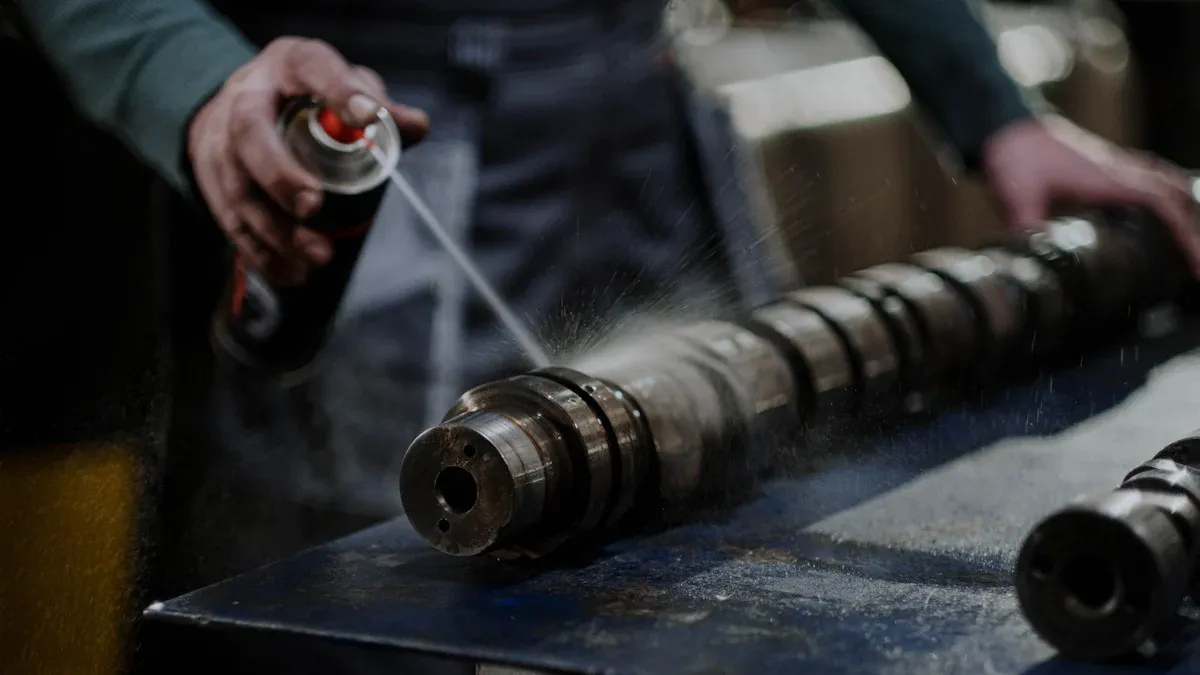
Choosing the right material for your CNC machining prototype can feel overwhelming. With so many options, how do you decide? Each material has unique properties, like stainless steel 303’s machinability or aluminum’s lightweight strength. You’ll need to match these to your project’s needs, whether it’s durability, thermal resistance, or environmental conditions.
Key Takeaways
Learn about material traits like strength and heat resistance. Pick the best one for your project.
Check how easy it is to machine. This helps save time and money during CNC work.
Think about your budget and project needs. Choose materials that work well and are affordable.
Key Factors in Material Selection for CNC Machining
When you're deciding on the best material for CNC machining, several factors come into play. Each one can impact the performance, cost, and overall success of your project. Let’s break these down.
Material Properties (Strength, Durability, Thermal Resistance)
The properties of a material determine how well it performs under specific conditions. For example:
Tensile strength is crucial for parts that need to handle heavy loads. Metals like stainless steel or titanium excel here.
Hardness affects wear resistance, making tool steels ideal for cutting tools.
Thermal expansion and thermal conductivity are key for applications exposed to temperature changes. Materials with low thermal expansion, like aluminum, maintain dimensional tolerance better.
Density matters when weight is a concern, such as in aerospace prototyping.
By understanding these properties, you can choose the right stock that balances strength, durability, and functionality.
Machinability and Processing Efficiency
Not all materials are easy to machine. Aluminum, for instance, is lightweight and highly machinable, making it a favorite for rapid prototyping. On the other hand, working with metals like titanium requires more effort due to its toughness. Plastics like ABS or nylon are easier to machine but may deform under heat. The machinability of a material directly affects processing time, tool wear, and cost. Always consider how efficiently a material can be processed on CNC machines.
Cost and Budget Considerations
Your budget plays a big role in material selection. While aluminum and plastics are cost-effective, materials like titanium or specialty composites can be expensive. Here's a quick look at average costs:
Material | Cost Range (per pound) |
|---|---|
Aluminum | $1 - $5 |
Steel | $0.50 - $5 |
Stainless Steel | $2 - $15 |
Brass | $4 - $8 |
Plastics | $1 - $10 |
Balancing performance with cost ensures your project stays within budget without compromising quality.
Application-Specific Needs (e.g., Load-Bearing, Chemical Resistance)
Different applications demand different materials. For example, aerospace components often use aluminum alloys for their strength-to-weight ratio, while medical devices rely on stainless steel for its corrosion resistance. If your project involves chemical exposure, materials like PEEK or certain metals are better suited. Always match the material to the specific requirements of your application to ensure durability and strength.
Common Materials for CNC Machining and Their Properties
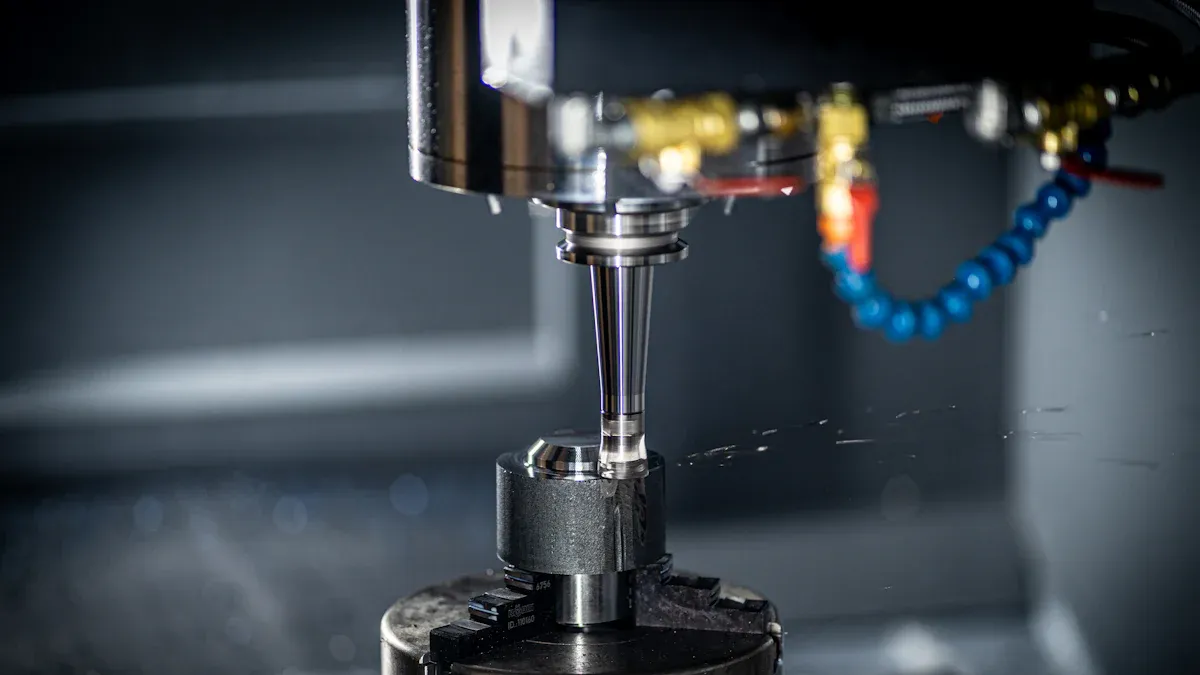
When it comes to CNC machining, the material you choose plays a huge role in the success of your project. Let’s explore some of the most common materials and their unique properties.
Metals (Aluminum, Steel, Titanium)
Metals are a go-to choice for CNC machining due to their strength, durability, and versatility. Here’s a quick comparison of some popular options:
Metal | Properties | Applications |
|---|---|---|
Aluminum | Lightweight, corrosion-resistant, high machinability | Aerospace, Automotive, Consumer Products |
Steel | High strength, excellent machinability, wear-resistant | Automotive parts, Tools, Aircraft components |
Stainless Steel | Corrosion-resistant, durable, wear-resistant | Medical devices, Aircraft construction |
Titanium | High strength-to-weight ratio, corrosion-resistant | Aerospace, Biomedical applications |
Brass | Easy to machine, smooth finish, corrosion-resistant | Locks, Valves, Sanitaryware |
Aluminum stands out for rapid prototyping because it’s lightweight and easy to machine. Titanium, while tougher to work with, offers unmatched strength and durability for high-performance applications.
Plastics (ABS, Nylon, PEEK)
Plastics are another popular choice, especially for lightweight and cost-effective prototypes. Here’s why:
ABS: Tough, impact-resistant, and chemically resistant. Perfect for protective enclosures and automotive parts.
Nylon: Known for its strength and longevity, making it ideal for demanding applications like gears and bearings.
PEEK: A premium option that’s lightweight, moisture-resistant, and durable. It’s often used in high-performance industries like aerospace and medical.
Plastics are easier to machine than metals, but they can deform under heat. This makes precision machining crucial when working with these materials.
Composites and Specialty Materials
Composites combine the best properties of multiple materials. For example:
Carbon Fiber Reinforced Polymer (CFRP): Lightweight and incredibly strong.
Glass Fiber Reinforced Polymer (GFRP): Affordable and durable.
Metal Matrix Composites (MMC): Combine the strength of metals with the flexibility of polymers.
These materials are perfect for applications requiring a high strength-to-weight ratio, like aerospace and sporting equipment.
Comparing Material Use Cases and Applications
Choosing the best material for CNC machining often comes down to your project’s needs. Metals like aluminum and steel are great for strength and durability. Plastics like ABS and PEEK shine in lightweight and chemically resistant applications. Composites offer a balance of strength and weight, making them ideal for specialized industries. By comparing these materials, you can make informed decisions that align with your project’s goals.
Step-by-Step Guide to Material Selection for CNC Machining
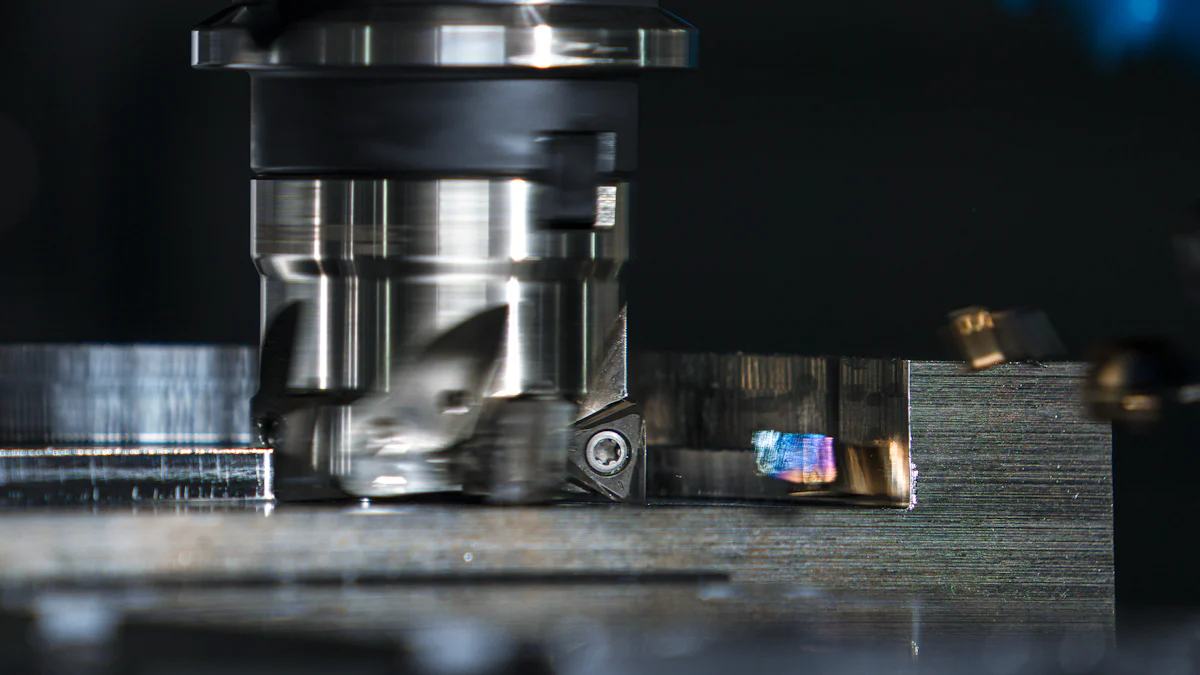
Define Functional and Aesthetic Requirements
Start by identifying what your prototype needs to achieve. Think about both functionality and appearance. Here’s how you can define these requirements:
Apply surface finishing techniques like milling or turning to achieve the desired texture.
Use deburring to remove sharp edges for safe handling.
Polish surfaces to enhance shine and reduce friction.
Consider coatings like anodizing or painting for added durability and visual appeal.
For example, if your CNC prototyping project involves a load-bearing part, prioritize strength and durability. On the other hand, if aesthetics matter, focus on surface finishes and coatings. These steps ensure your material selection aligns with your project’s goals.
Shortlist and Compare Material Options
Once you know your requirements, narrow down your options. Evaluate materials based on:
Thermal properties: Can the material handle the required temperature range?
Surface finish: Does it meet your textural or smoothness needs?
Mechanical properties: Assess strength, hardness, and durability.
Cost and availability: Balance performance with budget and ensure the material is readily available.
Machinability: Choose materials that work well with CNC machines for efficient processing.
For instance, aluminum is lightweight and machinable, making it ideal for rapid prototyping. Stainless steel, with its corrosion resistance, suits marine applications. Comparing these factors helps you pick the best material for your CNC machining project.
Test and Validate Material Performance
Before finalizing your choice, test the material to ensure it meets your expectations. Follow these best practices:
Calibrate tools regularly to maintain measurement accuracy.
Use Coordinate Measuring Machines (CMMs) to check complex geometries.
Monitor machining parameters like cutting speed and tool wear.
Conduct non-destructive testing (NDT) methods, such as ultrasonic testing, to detect internal flaws.
Testing ensures the material delivers the required precision, dimensional tolerance, and performance under real-world conditions.
Finalize Based on Cost, Availability, and Post-Processing Needs
Finally, weigh the cost, availability, and post-processing requirements. For example:
Cost: Balance material performance with your budget.
Availability: Choose materials with reliable supply chains to avoid delays.
Post-processing: Consider the time and cost of additional steps like polishing or coating.
Aluminum, for instance, is cost-effective and widely available, making it a popular choice for CNC machining materials. By considering these factors, you can make an informed decision that supports your project’s success.
Practical Tips for Optimizing Material Selection
Consider Surface Finishes and Post-Processing
Surface finishes and post-processing steps can significantly impact your material choice. Some materials, like aluminum and plastics, naturally achieve smooth finishes with minimal effort. Others, such as cast iron, may require additional polishing or coating to meet aesthetic or functional needs. You should think about these requirements early in the design process to avoid compatibility issues later. For example, if your project involves nickel plating, stainless steel is a better option than aluminum due to its compatibility.
Post-processing also affects the final look and durability of your prototype. Techniques like anodizing, painting, or polishing can enhance the appearance and protect the surface. Always match the material to the desired finish to ensure the best results.
Evaluate Material Grades and Variants
Not all materials are created equal. Different grades and variants can offer unique properties that suit specific applications. For instance, aluminum grades like 6061 and 7075 are popular for their strength-to-weight ratio and machinability, making them ideal for aerospace and automotive projects. Stainless steel grades, such as 303 and 316, provide excellent corrosion resistance but are harder to machine.
When selecting a material, consider its properties and how they align with your project’s needs. If you need high thermal conductivity, copper or its alloys, like brass, might be the right choice. For lightweight yet strong parts, magnesium could be a game-changer. Understanding these differences helps you pick the best option for your CNC prototyping project.
Seek Advice from CNC Machining Experts
Sometimes, the best way to optimize your material selection is to consult CNC machining experts. These professionals can analyze your project’s requirements, such as stress loads, dimensional tolerances, and environmental conditions. They’ll help you choose materials that balance functionality and cost-effectiveness.
Experts also provide insights into machining processes. They can recommend materials that work efficiently with CNC machines, reducing tool wear and processing time. By leveraging their knowledge, you can make informed decisions that improve your prototype’s performance and precision.
Selecting the right material is the backbone of any successful CNC machining project. To make the best choice, focus on three key areas: functional requirements, material properties, and application-specific needs. For example, lightweight aluminum alloys work well for rapid prototyping, while steel or titanium suits heavy-duty parts.
Remember, evaluating machinability and post-processing needs can save time and reduce costs. Ignoring these factors often leads to design flaws or increased tool wear. By following a structured approach, like comparing material options and testing performance, you’ll streamline your CNC material selection process and achieve optimal results.
FAQ
What is the best material for CNC machining prototypes?
The best material depends on your project. Aluminum works well for lightweight parts, while steel offers strength. Plastics like ABS are great for cost-effective prototypes.
How do you test material performance for CNC machining?
You can test performance by checking dimensional accuracy, strength, and surface finish. Use tools like Coordinate Measuring Machines (CMMs) for precise measurements.
Can CNC machines handle composite materials?
Yes, CNC machines can process composites like carbon fiber or glass fiber. These materials require specialized tools to avoid damage during machining.
See Also
Achieving Precision in CNC Machining: Tolerances and Materials
CNC Machining Mastery: Technical Drawings and Material Choices
Key Material Considerations for CNC Precision Machining
Improving CNC Prototyping: Accuracy and Efficiency Solutions
Discovering CNC Machining Services for High-Precision Production
About US
Follow Us
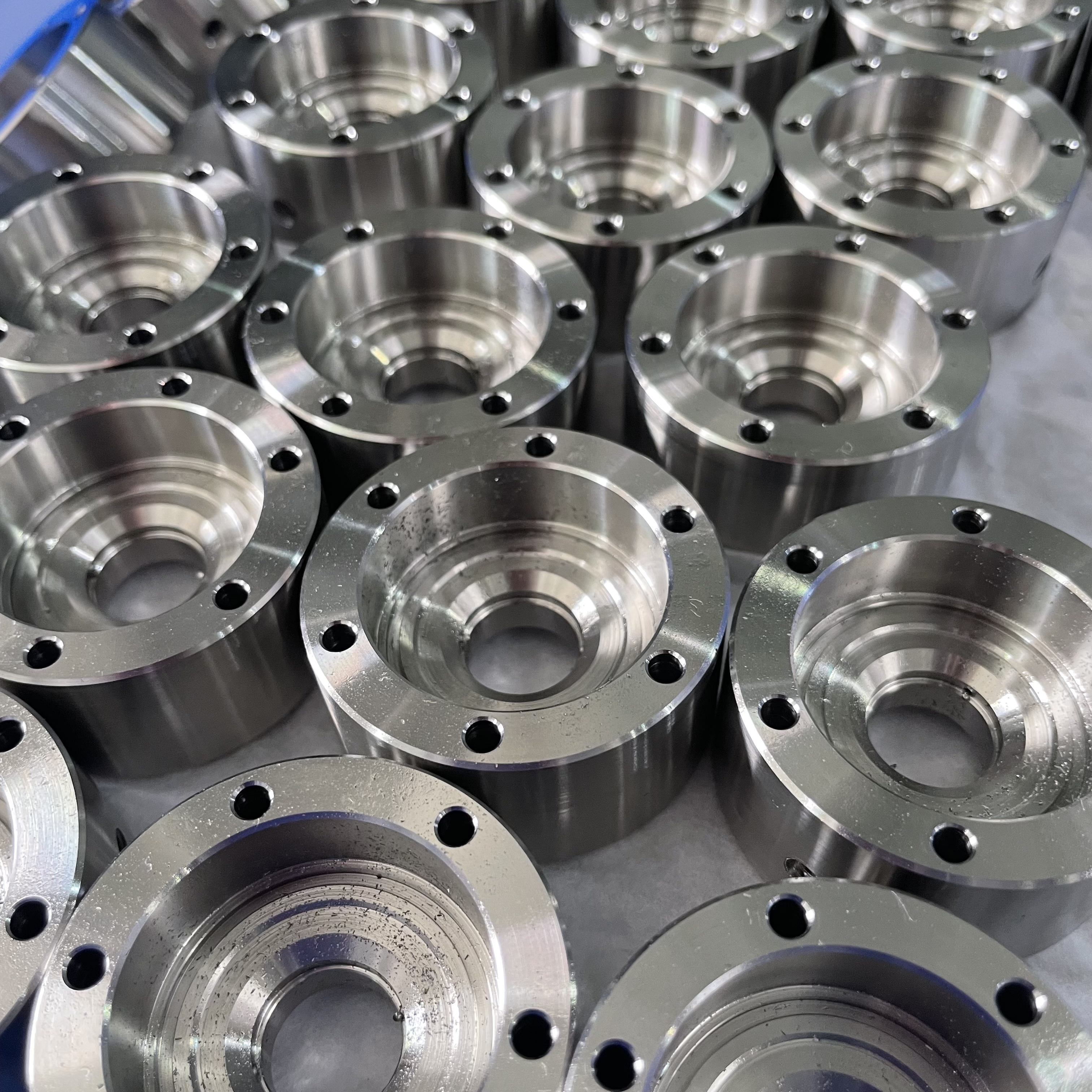
Your prototype holds unparalleled significance, and we deeply value its uniqueness. Collaborating with you during the preparation phase for running your prototype or parts is a commitment we gladly embrace. Whether it's a single part or a complex assembly, we are dedicated to selecting the optimal tools and pathways to bring your envisioned product to life.
At Precision Fab CNC Machining, we specialize in producing parts for prototypes, short runs, and high-volume production. Our prototyping machine capabilities extend across metal, plastic, and wood machining, with welding fabrication services available to complement and finalize your prototype if required.
Address
Address: Room320 10F, Building A,Nanshan international building, Dayawan District, Huizhou, Guangdong, 516001 China
Contacts
billy@timaycnc.com