Why Stainless Steel is a Durable Material for CNC Machined Robot Parts

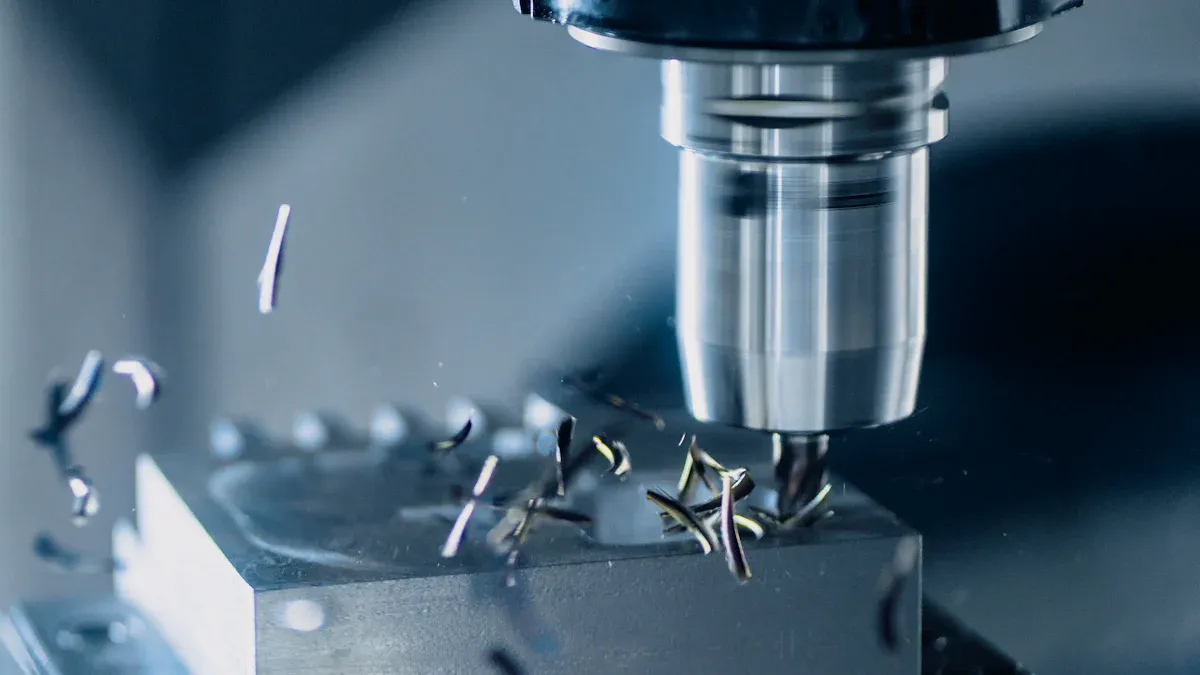
Stainless steel stands out as a top choice for CNC machined robot parts. Its exceptional strength and resistance to wear ensure durability under heavy loads. The material's ability to resist corrosion makes it ideal for harsh environments. For Custom Robot Parts, stainless steel offers unmatched adaptability, allowing precise machining of intricate designs.
Alloy | Ultimate Tensile Strength (UTS) | Elongation | Hardness (Rockwell) | Application Summary |
|---|---|---|---|---|
Stainless Steel 316 | Approx. 580 MPa (84,000 psi) | Approx. 40% | 90 | Marine environments, chemical processing, pharmaceutical applications, food handling. |
This combination of properties ensures reliability in demanding robotic applications.
Key Takeaways
Stainless steel 316 is very strong and resists damage, perfect for tough robot tasks.
It does not rust easily, so it works well in rough conditions and lasts longer.
CNC machines make detailed designs possible while keeping the parts strong.
Key Properties of Stainless Steel 316
High Strength and Wear Resistance
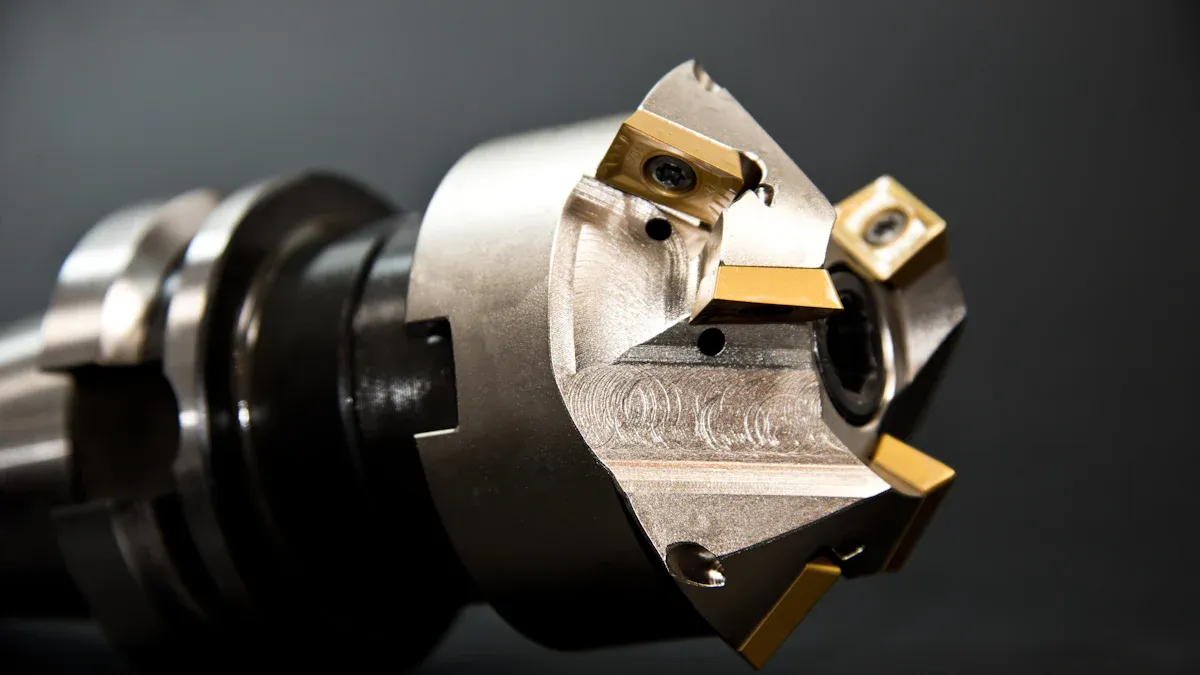
Stainless steel 316 offers exceptional high strength, making it a reliable choice for CNC machined robot parts. Its ultimate tensile strength ranges from 620 to 795 MPa, which ensures it can handle heavy loads without deformation. The material also exhibits a hardness of 79 to 95 on the Rockwell B scale, providing excellent wear resistance. These properties make stainless steel 316 ideal for high-stress applications where durability is critical.
Property | Value |
|---|---|
Ultimate Tensile Strength | 620-795 MPa (90-115 ksi) |
Yield Strength | 205-30000 psi (14-20.7 MPa) |
Elongation at Break | 30-40% |
Hardness | 79 to 95 on Rockwell B scale |
Modulus of Elasticity | 164 GPa (24,000 ksi) |
However, under extreme conditions, such as temperatures exceeding 60°C (140°F), stress corrosion cracking may occur. Despite this, stainless steel 316 remains a top-performing corrosion-resistant alloy in most environments.
Corrosion Resistance in Harsh Environments
Stainless steel 316 is highly resistant to corrosion, even in harsh environments. Its composition includes molybdenum, which enhances its ability to withstand chloride-rich conditions, such as marine or chemical processing settings. This makes it a preferred material for robotic parts exposed to moisture, salt, or chemicals. Unlike other materials, stainless steel 316 maintains its integrity over time, reducing the risk of part failure.
Condition | Effect on Wear Resistance |
|---|---|
Temperatures exceed 60°C (140°F) | Increased likelihood of stress corrosion cracking |
High-stress applications | Susceptibility to issues in corrosive environments |
Heat Resistance and Longevity
Stainless steel 316 excels in high-temperature applications. It retains its strength and oxidation resistance at temperatures up to 870°C for continuous use and 925°C for intermittent use. This makes it suitable for heat exchangers, furnace parts, and other demanding applications. While its tensile and yield strengths decrease at elevated temperatures, the alloy continues to resist corrosion effectively. This combination of heat resistance and durability ensures the longevity of stainless steel 316 in robotic systems.
Tip: Avoid using stainless steel 316 in environments requiring corrosion resistance at temperatures between 425°C and 860°C, as this may compromise its performance.
Why Stainless Steel is Ideal for Custom Robot Parts
Precision and Tight Tolerances in CNC Machining
CNC machining ensures precision and tight tolerances when working with stainless steel. This is crucial for creating precision machined parts that meet exact specifications. Techniques like CNC milling and turning allow you to achieve high accuracy and smooth finishes. For example, CNC milling excels at producing complex shapes, while CNC turning is ideal for cylindrical components. Other methods, such as CNC grinding and threading, help create smooth surfaces and uniform threads.
Technique | Advantages | Challenges |
|---|---|---|
CNC Milling | High precision, versatile for complex shapes, various surface finishes. | Tool wear and thermal damage due to stainless steel's strength. |
CNC Turning | High dimensional accuracy, efficient for cylindrical parts. | Increased tool wear and cutting forces due to stainless steel's hardness. |
CNC Drilling | Precise hole sizes and placements, variety of techniques available. | Excessive tool wear and heat buildup can damage drill bits and workpieces. |
Threading | Highly accurate and uniform threads, versatile for various thread types. | Material work-hardening can complicate the process. |
These techniques ensure that stainless steel can be transformed into precision parts for robotic systems. Despite challenges like tool wear, the results justify the effort.
Compatibility with Complex and Custom Designs
Stainless steel adapts well to complex and custom designs. Its strength and machinability allow you to create intricate shapes without compromising durability. CNC machining techniques, such as laser cutting and EDM, enable the production of custom robot parts with high precision. Laser cutting provides clean edges and minimal heat-affected zones, while EDM handles intricate shapes without direct contact. These methods ensure that even the most complex designs can be realized with stainless steel.
Tip: Use stainless steel for custom robot parts that require both strength and intricate detailing. This ensures long-lasting performance in demanding applications.
Versatility for Various Robotic Applications
Stainless steel's versatility makes it suitable for a wide range of robotic applications. You can use it for precision parts in industries like manufacturing, healthcare, and aerospace. Its corrosion resistance ensures reliability in harsh environments, while its heat resistance supports high-temperature operations. Whether you need components for robotic arms, joints, or housings, stainless steel delivers consistent performance. This adaptability makes it a preferred material for custom robot parts across diverse sectors.
Benefits of Using Stainless Steel for Robot Parts
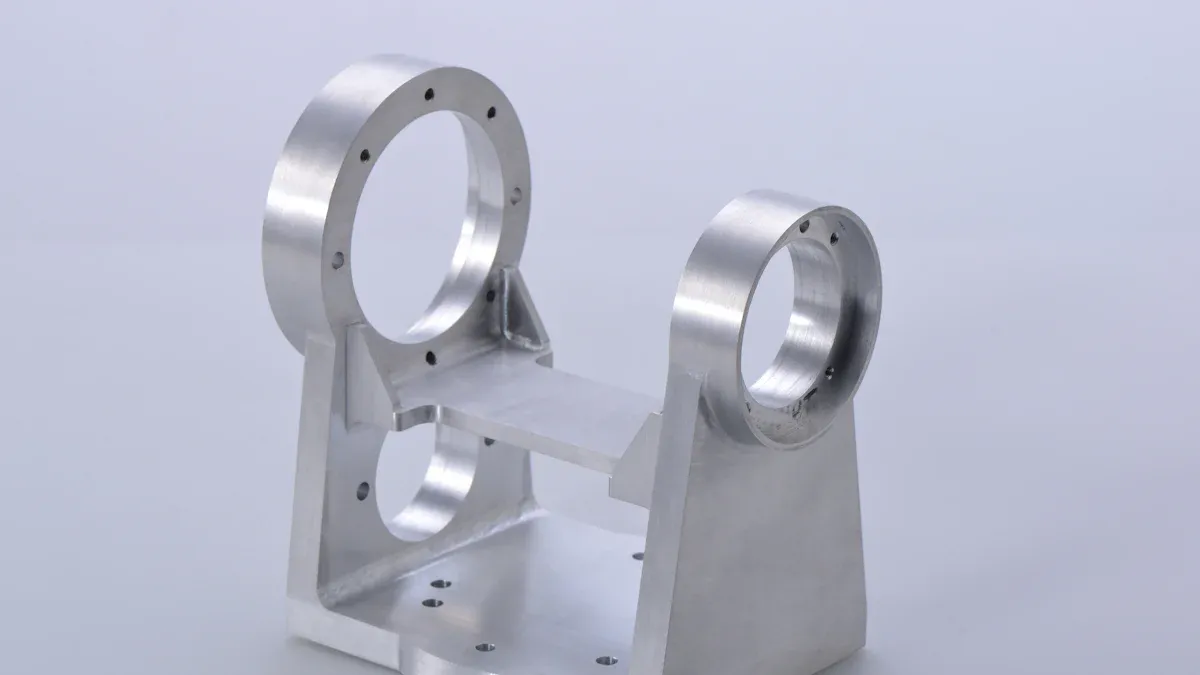
Longevity and Reliability in Robotic Systems
Stainless steel ensures long-lasting performance in robotic systems. Its durability allows it to withstand heavy loads and repetitive movements without losing structural integrity. For example, overhead cranes in stainless steel manufacturing facilities demonstrate the material's reliability. These cranes operate efficiently over extended periods, proving the long-term value of stainless steel in industrial applications. This reliability translates directly to robotic systems, where consistent performance is critical.
You can trust stainless steel to maintain its strength and functionality even in demanding environments. Its resistance to wear and corrosion further enhances its longevity, making it a dependable choice for robotic components.
Reduced Maintenance and Downtime
Using stainless steel for robot parts minimizes maintenance needs. Its corrosion resistance reduces the likelihood of rust or material degradation, which means fewer repairs. This leads to less downtime for your robotic systems, ensuring uninterrupted operations.
The material's wear resistance also plays a role in reducing maintenance. Components made from stainless steel retain their shape and functionality over time, even under constant use. By choosing stainless steel, you can save time and resources on upkeep, allowing you to focus on optimizing your robotic systems.
Environmental and Cost Efficiency
Stainless steel offers both environmental and economic benefits. Its recyclability makes it an eco-friendly material, reducing waste and promoting sustainability. You can recycle stainless steel without losing its quality, which supports a circular economy.
From a cost perspective, its durability and low maintenance requirements make it a cost-effective option. While the initial investment may be higher, the long-term savings on repairs and replacements outweigh the upfront costs. By selecting stainless steel, you contribute to a greener future while optimizing your budget.
Challenges in Machining Stainless Steel and Solutions
Material Hardness and Tool Wear
Machining stainless steel presents unique challenges due to its hardness. This material tends to work-harden during cutting, making subsequent operations more difficult. You can mitigate this by using sharp tools and maintaining a consistent feed rate. Additionally, stainless steel's poor thermal conductivity causes heat to concentrate at the cutting zone, which can reduce tool lifespan. Applying coolants and optimizing cutting parameters help manage this issue.
Other challenges include the formation of long, stringy chips, which can clog the cutting area. To address this, you should use chip breakers and adjust cutting parameters for better chip management. High cutting forces also demand robust equipment. Specialized cutting tools and optimized settings can help reduce these forces and improve machining efficiency.
Tip: Regularly inspect tools for wear and replace them promptly to maintain machining accuracy and efficiency.
Heat Generation During Machining
Heat generation is another significant issue when machining stainless steel. Excessive heat can damage tools and compromise the material's properties. Effective coolant application is essential for managing this heat. Oil-based coolants often perform better than water-based ones. High-performance cutting tools made from carbide or powder metal also help extend tool life and reduce costs.
Maintaining sharp tools and a consistent feed rate minimizes work hardening and excessive heat buildup. You should also ensure adequate coolant flow to the cutting zone. Optimizing pressure and nozzle placement enhances cooling efficiency. Monitoring for signs of overheating is crucial, as overheating can affect the material's corrosion resistance.
Strategies to Optimize Machining Efficiency
To improve machining efficiency, you can adopt advanced techniques and technologies. Adaptive control systems in CNC machines adjust parameters in real-time based on sensor feedback. This optimizes cutting conditions and minimizes tool wear. High-efficiency milling (HEM) techniques, which use high cutting speeds and low radial engagement, reduce heat and improve tool life.
Trochoidal milling, which employs a circular tool path, minimizes tool engagement time and enhances material removal rates. Hydraulic tool holders provide superior clamping force and vibration dampening, leading to better surface finishes. Additionally, integrating IoT devices allows real-time monitoring of machining conditions. Predictive maintenance systems use sensor data to anticipate machine failures, reducing downtime and ensuring consistent quality.
Note: Combining these strategies with proper tool selection and machining techniques ensures optimal results when working with stainless steel.
Stainless steel 316 stands out as a durable and versatile material for CNC machined robot parts. You can rely on its corrosion resistance in marine and chemical environments, as well as its strength in high-stress applications. By using techniques like high-efficiency milling and proper coolant application, you can overcome machining challenges and achieve optimal results.
FAQ
What makes stainless steel 316 better than other stainless steel grades for robot parts?
Stainless steel 316 offers superior corrosion resistance, strength, and heat tolerance. These properties make it ideal for harsh environments and high-stress robotic applications.
Can CNC machining handle intricate designs with stainless steel?
Yes, CNC machining excels at creating intricate designs. Techniques like laser cutting and EDM ensure precision and adaptability for complex robotic components.
How can you reduce tool wear when machining stainless steel?
Use sharp tools, apply coolants, and maintain consistent feed rates. These strategies minimize heat buildup and extend tool life during machining.
See Also
Achieving Precision in CNC Machining for Part Production
Crafting Precision RC Upgrade Parts Through CNC Turning
Grasping Material Needs for CNC Precision Machining
Investigating Various Stainless Steel Grades for Modeling Use
About US
Follow Us
Your prototype holds unparalleled significance, and we deeply value its uniqueness. Collaborating with you during the preparation phase for running your prototype or parts is a commitment we gladly embrace. Whether it's a single part or a complex assembly, we are dedicated to selecting the optimal tools and pathways to bring your envisioned product to life.
At Precision Fab CNC Machining, we specialize in producing parts for prototypes, short runs, and high-volume production. Our prototyping machine capabilities extend across metal, plastic, and wood machining, with welding fabrication services available to complement and finalize your prototype if required.
Address
Address: Room320 10F, Building A,Nanshan international building, Dayawan District, Huizhou, Guangdong, 516001 China
Contacts
billy@timaycnc.com