Surface Finishes in CNC Machining

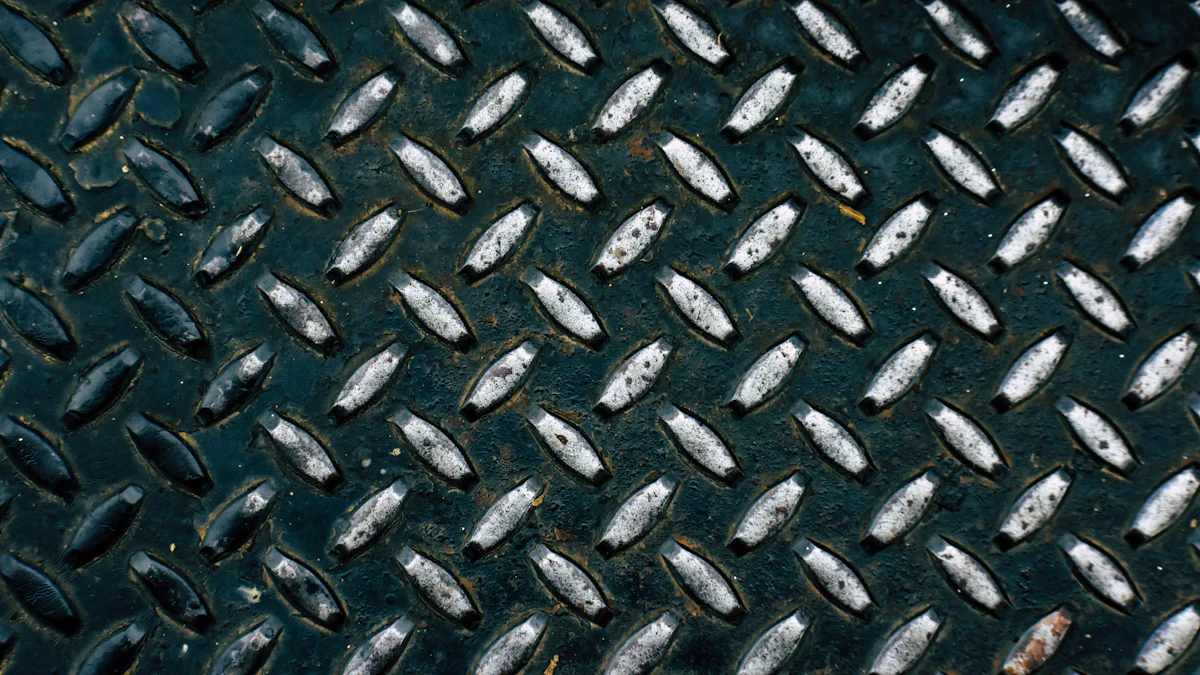
Surface finishes in CNC machining play a critical role in determining the quality of machined parts. A surface finish refers to the texture or smoothness of a part's exterior after machining. It directly affects how well the part performs, how long it lasts, and how appealing it looks.
Different finishes offer unique benefits. For example:
Anodizing increases hardness, making parts more resistant to wear.
Electroplating creates a protective barrier against corrosion while enhancing appearance.
Polished finishes improve visual appeal, which is crucial for consumer products.
By selecting the right finish, you can protect parts from damage, extend their lifespan, and achieve the desired aesthetic.
Key Takeaways
Surface finishes affect how CNC parts look and last. Picking the right finish can make parts work better and last longer.
Different finishes have different uses. For example, anodizing stops rust, and polishing makes parts shiny. Choose finishes based on how they look and work.
The material matters when picking a finish. Make sure the finish works well with the material to avoid peeling or sticking problems.
Costs and time depend on the finish. Simple finishes like polishing are cheap and fast. Fancy finishes like powder coating take more time and money.
Cleaning and checking for flaws are important before finishing. This helps the finish stick well and work properly.
Overview of Surface Finishes in CNC Machining
What Are Surface Finishes?
Surface finishes refer to the texture, smoothness, or appearance of a part's exterior after machining. These finishes are created during the CNC machining process or through post-processing techniques. They can range from rough, tool-marked surfaces to highly polished, mirror-like finishes.
Common types of surface finishes include:
As machined: Parts come directly off the machine with visible tool marks.
Bead blasting: Produces a matte finish with a light texture.
Anodizing: Adds a corrosion-resistant layer, available in Type II (standard) or Type III (hard coat).
Powder coating: Provides a durable, impact-resistant finish.
Polishing: Creates a smooth, reflective surface for aesthetic appeal.
Each finish serves a specific purpose, whether it’s improving functionality, durability, or appearance.
Why Are Surface Finishes Important?
Surface finishes play a crucial role in how CNC machined parts perform. A smoother finish reduces friction and wear, which is essential for moving components. For example, anodizing enhances corrosion resistance, making it ideal for aluminum parts exposed to harsh environments.
Finishes also affect how parts fit together. Waviness or roughness can interfere with tight tolerances in assemblies. Additionally, finishes like powder coating or electroplating improve durability and protect parts from damage. Aesthetic finishes, such as brushed or polished surfaces, enhance the visual appeal of consumer products.
In short, the right finish ensures your parts meet both functional and aesthetic requirements.
Factors That Influence Surface Finishes
Several factors impact the quality of a surface finish during CNC machining:
Material properties: Aluminum, steel, and brass respond differently to machining and finishing techniques. For instance, anodizing works well on aluminum, while black oxide suits steel.
Cutting tools: Sharp tools produce smoother surfaces, while dull tools create irregularities.
Feed rate and cutting depth: Slower feed rates and shallow cuts result in finer finishes.
Machining process: Techniques like milling or turning influence the surface texture. High-speed milling often yields smoother results.
Environmental conditions: Temperature fluctuations can cause material expansion or contraction, affecting the final finish.
Understanding these factors helps you achieve the desired finish for your CNC projects.
Common Types of Surface Finishes
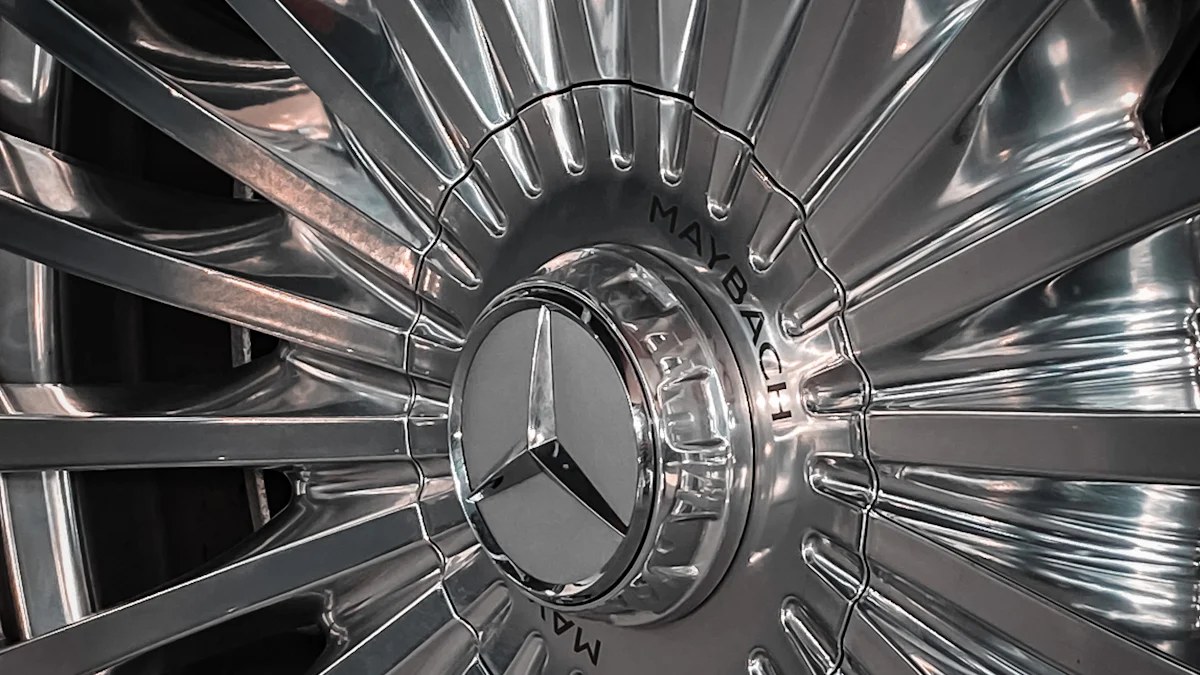
As-Machined Finish
An as-machined finish is the most basic surface finish in CNC machining. It leaves the part exactly as it comes off the machine, with visible tool marks and no additional processing. This finish is ideal when functionality matters more than appearance.
Here’s a quick look at the advantages and disadvantages of this finish:
Advantages | Disadvantages |
|---|---|
Consistent results among various units | Visible tool marks on the final part |
Tightest dimensional tolerances | Lacks a protective coating |
Supports any material | |
Cost-effective and suitable for prototype development |
This finish works well for prototypes or internal components where aesthetics are not a priority. It also ensures the tightest tolerances, making it a reliable choice for precision parts.
Bead Blasting
Bead blasting creates a smooth, matte surface by propelling fine beads at the part under high pressure. This process removes imperfections and gives the part a uniform texture. It’s a popular choice for improving the appearance of CNC-machined parts.
Industries that commonly use bead blasting include:
Automotive, for components that need a fresh paint layer.
Aerospace, for aircraft parts before painting.
Electronics, for creating a clean and professional look.
Medical, for aluminum components requiring a smooth finish.
Military, for firearms and other equipment.
This finish is versatile and works well for both functional and aesthetic purposes. It’s especially useful when preparing parts for painting or coating.
Anodizing (Type II and Type III)
Anodizing enhances the surface of aluminum parts by creating a protective oxide layer. It improves corrosion resistance and adds a professional appearance. There are two main types of anodizing: Type II and Type III.
Aspect | Type II Anodizing | Type III Anodizing |
|---|---|---|
Coating Thickness | 0.7-1.2 mils (18-30 microns) | 2.0-2.8 mils (50-70 microns) |
Durability | Good corrosion and wear resistance | Greater wear and corrosion resistance |
Applications | Aesthetic purposes, base for coatings | Extreme environments, high durability |
Acid Used | Sulfuric acid | Chromic acid |
Cost | Less expensive | More expensive due to complexity |
Type II anodizing is perfect for aesthetic finishes or as a base for additional coatings. Type III, also known as hard anodizing, is better for parts exposed to extreme conditions. It offers superior durability and abrasion resistance, making it ideal for industrial or military applications.
Powder Coating
Powder coating is a popular surface finish for CNC machined parts. This process involves applying a dry powder to the part's surface, which is then cured under heat to form a durable, protective layer. It offers several advantages that make it an excellent choice for both functional and aesthetic purposes.
Key benefits of powder coating include:
Superior durability compared to traditional paint.
Environmentally friendly with minimal VOC emissions.
Excellent chemical and corrosion resistance.
Cost-effective due to high material utilization rates.
A wide range of colors and finishes available.
Single-coat application possible for many applications.
Thicker coatings without running or sagging.
This finish works well for parts that need to withstand harsh environments or frequent handling. It also enhances the appearance of CNC machined parts, making it suitable for consumer products. Powder coating creates a uniform, smooth surface that resists chipping, scratching, and fading over time. You can choose from glossy, matte, or textured finishes to match your specific requirements.
Powder coating is versatile and compatible with various materials, including aluminum, steel, and brass. It is ideal for applications in industries like automotive, electronics, and construction. By selecting this finish, you can improve the durability and visual appeal of your CNC projects.
Polishing and Electropolishing
Polishing and electropolishing are two techniques used to achieve smooth and reflective surfaces on CNC machined parts. While both methods enhance the surface quality, electropolishing offers additional benefits that make it a preferred choice for certain applications.
Traditional polishing involves mechanically buffing the surface to remove imperfections and create a shiny finish. This method is effective for improving the appearance of parts and is commonly used for decorative purposes. However, it may not address microscopic defects or burrs.
Electropolishing, on the other hand, uses an electrochemical process to remove a thin layer of material from the part's surface. This technique eliminates burrs and defects more effectively than traditional polishing. It creates a uniform, smooth finish that enhances corrosion resistance and reduces stress risers. As a result, electropolished parts often have a longer fatigue life and perform better in demanding environments.
Both polishing and electropolishing are ideal for applications where aesthetics and functionality are equally important. For example, medical devices, food processing equipment, and high-end consumer products often require these finishes. By choosing the right method, you can achieve the desired surface quality for your CNC machined parts.
Understanding Surface Roughness in CNC Machining
What Is Surface Roughness?
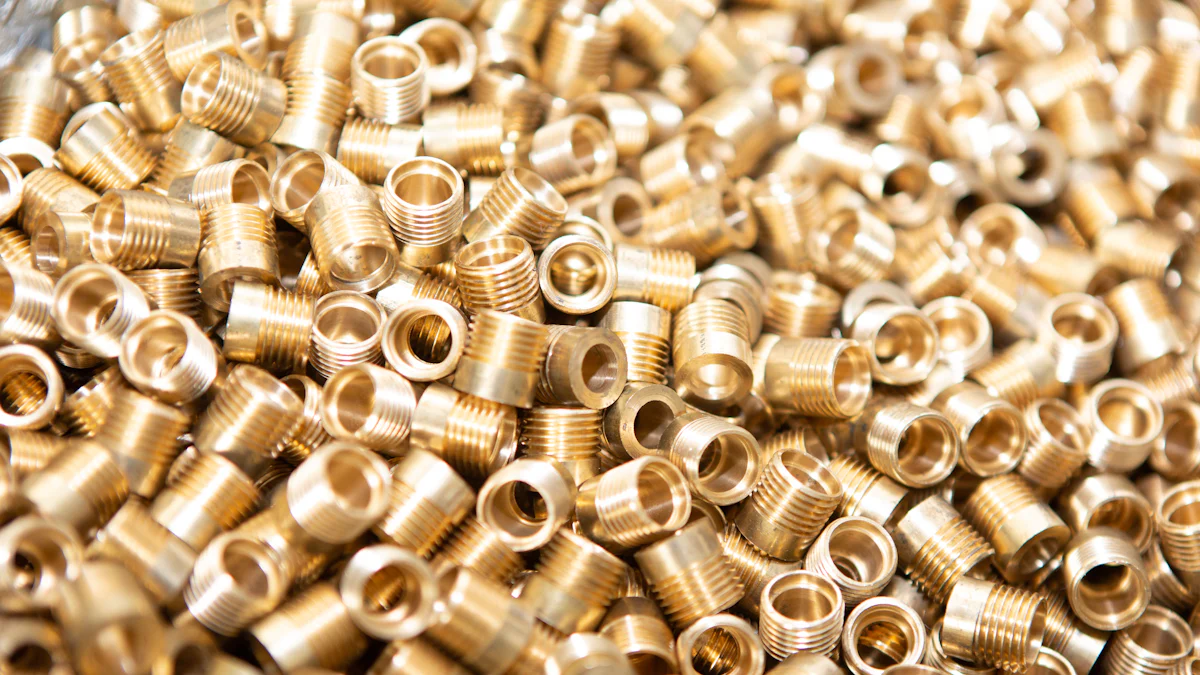
Surface roughness refers to the microscopic irregularities on a part's surface after machining. These irregularities, often measured in micrometers, determine how smooth or rough the surface feels. Surface roughness directly impacts the performance of CNC machined parts.
A smoother surface reduces friction between sliding parts, improving their functionality.
Poorly machined surfaces increase friction, leading to faster wear and shorter part life.
Precise surface roughness ensures proper fits and enhances resistance to wear.
Small deviations in texture can significantly affect the durability and quality of parts.
By understanding surface roughness, you can ensure your CNC projects meet both functional and aesthetic requirements.
How Surface Roughness Is Measured
Measuring surface roughness involves specialized tools and techniques to assess the texture of a machined surface. Common methods include:
Contact profilometers: Use a stylus to measure surface deviations.
Non-contact profilometers: Employ laser triangulation for precise, non-invasive measurements.
Atomic Force Microscopy (AFM): Provides nanometer-level resolution for detailed analysis.
3D scanning: Creates topographical maps for larger surface areas.
Portable surface roughness testers: Handheld devices for quick assessments.
You can also compare surfaces visually with pre-calibrated roughness standards. Each method offers unique advantages, depending on the level of detail and accuracy required for your CNC project.
Common Surface Roughness Standards
Surface roughness standards help you define the acceptable texture for machined parts. These standards use specific metrics to quantify roughness levels.
Surface Roughness Standard | Description | Application |
|---|---|---|
Ra | Average roughness | General-purpose machining |
RMS | Root mean square roughness | Suitable for rougher surfaces |
Rz | Average maximum height of profile | Varies by industry requirements |
For example, a typical "as machined" finish has an average roughness of Ra 3.2, with visible machining lines. Some applications demand smoother surfaces, such as Ra 0.4, for enhanced performance and aesthetics. Selecting the right standard ensures your parts meet industry-specific requirements.
Choosing the Right Surface Finish for CNC Projects
Functional Requirements
When selecting a surface finish for your CNC project, you must first consider the functional needs of the part. Different finishes offer unique advantages that enhance performance and durability.
Wear Resistance: Choose a finish that protects parts exposed to friction or mechanical wear. For example, anodizing Type III provides a hard, durable layer.
Corrosion Resistance: Opt for finishes like powder coating or passivation to shield parts from corrosive environments.
Friction Reduction: A smooth finish, such as electropolishing, reduces friction in moving components.
Sealing Capabilities: Polished surfaces improve sealing effectiveness in applications like fluid systems.
Durability and Performance: Ensure the finish extends the part’s service life under operating conditions.
By aligning the finish with your project’s functional requirements, you can improve the reliability and longevity of your CNC parts.
Aesthetic Considerations
Surface finishes also play a significant role in the visual appeal of CNC parts. If your project involves consumer products or visible components, you should prioritize aesthetics.
Brushed and polished finishes add elegance and sophistication to parts.
Powder coating offers a wide variety of colors and textures, allowing you to customize the appearance while adding protective benefits.
Here’s how different materials and finishes influence aesthetics:
Surface Finish | Aesthetic Influence | |
|---|---|---|
Aluminum | Anodizing | Provides a durable layer with various color options. |
Steel | Black Oxide | Alters appearance and reduces corrosion. |
Brass | Clear Lacquer | Preserves bright appearance and prevents tarnishing. |
By choosing the right finish, you can create parts that are both functional and visually appealing.
Material Compatibility
Not all finishes work with every material. You need to ensure the finish you select is compatible with the material of your CNC parts.
Aluminum: Anodizing is highly effective, offering both protective and aesthetic benefits.
Stainless Steel: Passivation enhances corrosion resistance, while electroplating improves appearance.
Ferrous Metals: Black oxide is ideal for steel parts, providing a protective layer.
Conductive Metals: Electroplating works well for copper and brass, offering functional and decorative advantages.
Matching the finish to the material ensures optimal performance and prevents issues like peeling or poor adhesion. Always consider the material properties before finalizing your surface finish.
Cost and Production Time
When selecting a surface finish for your CNC project, cost and production time play a significant role in decision-making. Different finishes vary in complexity, which directly impacts your budget and timeline. Understanding these differences helps you balance quality, functionality, and affordability.
Some finishes, like polishing, are economical and quick to apply. Polishing works well for projects with tight deadlines or limited budgets. Bead blasting also offers a cost-effective option, especially for improving the appearance of parts without adding significant expense. These simpler processes are ideal for prototypes or internal components where aesthetics are secondary.
On the other hand, advanced finishes like powder coating and electroplating involve more complex procedures. These finishes provide superior durability and corrosion resistance but come at a higher cost. Powder coating, for example, is more expensive than traditional paint but becomes cost-effective for larger production runs. Similarly, anodizing requires longer lead times due to its multi-step process, making it less suitable for urgent projects.
Production timelines also influence costs. Quick-turn finishes like polishing reduce labor and equipment usage, lowering expenses. In contrast, precision finishes such as anodizing or electropolishing demand additional processing time, which increases overall costs. You should weigh these factors carefully to ensure your parts meet both functional and budgetary requirements.
By aligning your choice of surface finish with your project’s needs, you can optimize costs and production time without compromising quality. This approach ensures your CNC machining project stays on track while delivering durable and visually appealing parts.
Preparing Parts for Surface Finishing
Cleaning and Deburring
Preparing CNC parts for surface finishing begins with cleaning and deburring. This step ensures the surface is free from contaminants and imperfections that could interfere with the finish. Proper cleaning removes machining residues like oils, dirt, and metal shavings. You can use solvents, ultrasonic cleaning, or vapor degreasing to achieve this. These methods effectively eliminate contaminants, leaving the surface ready for finishing.
Deburring focuses on smoothing sharp edges and removing burrs left by the machining process. Manual tools or specialized machines can help you achieve this. Edge smoothing not only improves safety but also enhances the quality of the final finish. Additionally, masking is essential to protect areas that should not be affected by the finishing process. Use tapes or plugs to shield these regions effectively.
Surface preparation may also involve sanding or polishing to create a uniform texture. This step ensures the finish adheres properly and delivers consistent results.
Inspecting for Surface Defects
Before applying a finish, inspect the parts for surface defects. Common issues include adhesion failure, delamination, and undercutting. Adhesion failure occurs when the bond between the substrate and coating breaks due to poor preparation. Delamination, often caused by contamination, leads to peeling after curing. Undercutting results from rusted areas on the substrate, causing blistering or peeling.
Other defects to watch for include pinpoint rusting, which creates uneven coating layers, and imperfections from welding, such as spatter or porosity. Steel surfaces may also exhibit pits, grooves, or roll marks. Identifying and addressing these defects ensures the finish adheres properly and performs as expected.
Ensuring Finish Compatibility
Selecting a compatible surface finish for your CNC parts is crucial. The material of the part determines which finishes will adhere effectively and provide the desired properties. For example, anodizing works well with aluminum, while black oxide suits steel. Ensuring compatibility prevents defects like peeling or poor adhesion.
Balancing material compatibility, application needs, and cost-efficiency is essential. Thorough planning during the design phase helps you align the finish with your project’s requirements. Consulting experts can also guide you in choosing the best finish for optimal results.
Surface finishes play a vital role in CNC machining, influencing the durability, functionality, and appearance of parts. They protect against rust, enhance surface strength, and improve aesthetics, making them essential for competitive markets. Balancing functionality, aesthetics, and cost ensures optimal outcomes. For instance, polishing offers a quick, cost-effective option, while advanced techniques like anodizing provide superior durability but require longer timelines.
Consulting experts helps you evaluate critical factors like material compatibility, production timelines, and budget constraints. Their experience ensures you select the most suitable finish for your CNC project, avoiding costly mistakes and achieving the desired results.
FAQ
What is the difference between surface finish and surface roughness?
Surface finish refers to the overall texture and appearance of a part's surface, including smoothness and coatings. Surface roughness measures the microscopic irregularities on the surface. While surface finish includes roughness, it also considers additional factors like coatings and treatments.
How do I choose the best surface finish for my project?
Consider the part's functional needs, material, and budget. For durability, choose anodizing or powder coating. For aesthetics, polishing or bead blasting works well. Always match the finish to the material and consult experts for tailored recommendations.
Can I apply multiple surface finishes to one part?
Yes, you can combine finishes to achieve specific results. For example, you can anodize aluminum for corrosion resistance and then polish it for a reflective look. Ensure the finishes are compatible with the material and each other.
Does surface finish affect production time?
Yes, advanced finishes like anodizing or powder coating take longer due to multi-step processes. Simpler finishes like polishing or bead blasting are quicker. Plan your timeline based on the complexity of the finish.
Are all surface finishes environmentally friendly?
Not all finishes are eco-friendly. Powder coating emits fewer volatile organic compounds (VOCs) compared to traditional painting. Anodizing uses chemicals but produces minimal waste. Always check the environmental impact of your chosen finish.
See Also
Expert Insights on Surface Treatment for CNC Machining Parts
Achieving Excellence in CNC Machining for Precision Parts
Exploring Tolerances and Finishes in CNC Machining POM Parts
Improving Precision Parts Production Through Surface Finish Services
Perfecting CNC Milling Techniques for Precision Parts Creation
About US
Follow Us
Your prototype holds unparalleled significance, and we deeply value its uniqueness. Collaborating with you during the preparation phase for running your prototype or parts is a commitment we gladly embrace. Whether it's a single part or a complex assembly, we are dedicated to selecting the optimal tools and pathways to bring your envisioned product to life.
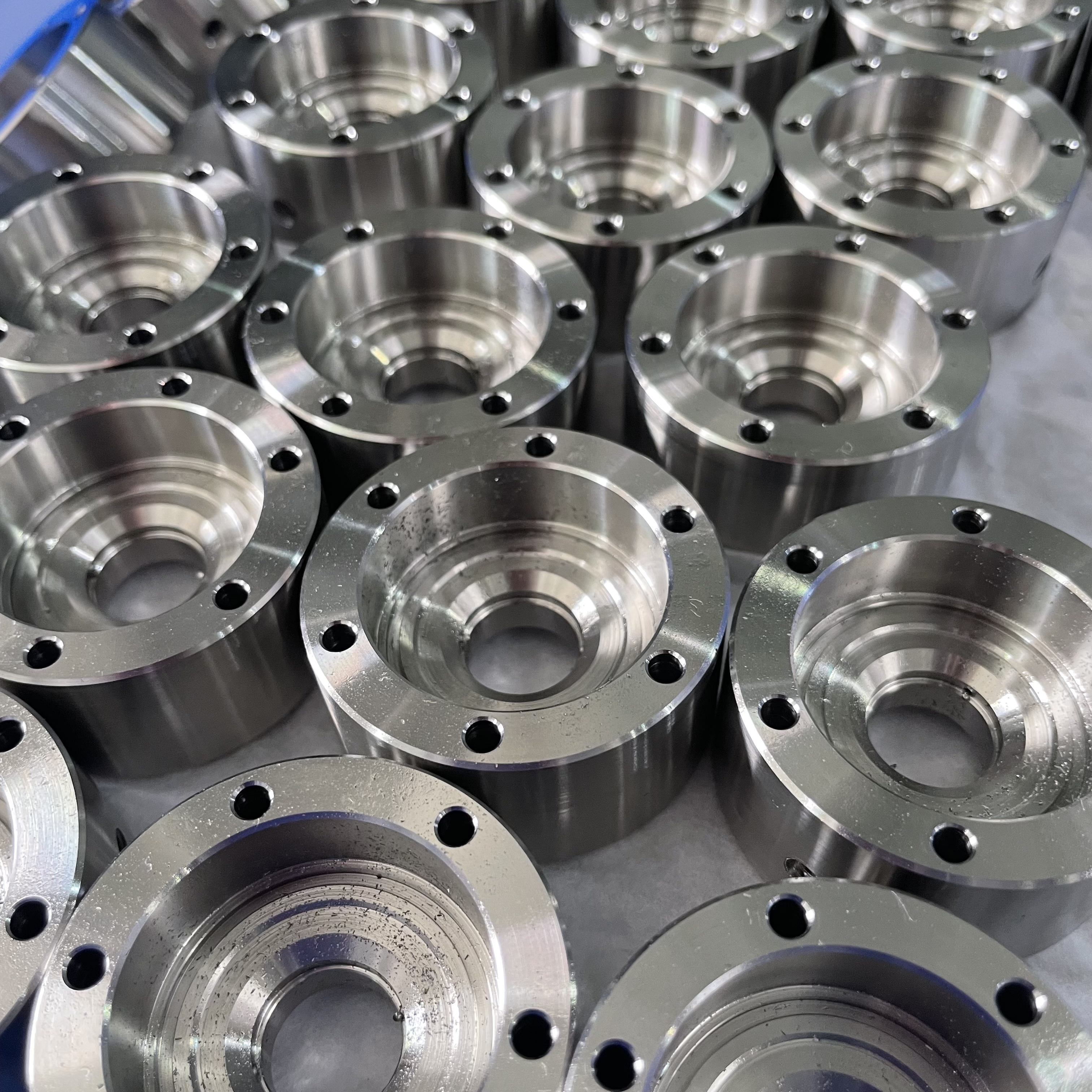
At Precision Fab CNC Machining, we specialize in producing parts for prototypes, short runs, and high-volume production. Our prototyping machine capabilities extend across metal, plastic, and wood machining, with welding fabrication services available to complement and finalize your prototype if required.
Address
Address: Room320 10F, Building A,Nanshan international building, Dayawan District, Huizhou, Guangdong, 516001 China
Contacts
billy@timaycnc.com