Sustainable Alternatives to Traditional Plastics in CNC


Sustainable materials are transforming CNC machining by offering eco-friendly alternatives to traditional plastics. You can explore options like:
Bioplastics such as PLA and PHA, derived from renewable sources like corn or sugarcane.
Recycled plastics, including rPET, which reduces waste and pollution.
Wood-based composites, like bamboo or MDF, known for their renewability and durability.
Innovative materials, such as algae-based plastics and fiber-reinforced composites, which combine strength with sustainability.
Adopting these materials helps reduce carbon emissions, conserve resources, and minimize waste. CNC machining, with its precision and efficiency, plays a vital role in this global shift toward sustainable manufacturing.
Key Takeaways
Look into green materials like bioplastics, recycled plastics, and wood-based mixes to help the environment in CNC machining.
Using eco-friendly materials can cut carbon emissions and save resources, helping the Earth stay healthy.
Think about using recycled plastics, which reduce trash and often work like new materials.
Train and teach your team to use green practices and handle changes better.
Begin small by using materials wisely and switching to eco-friendly coolants to slowly become more sustainable.
CNC Machining and the Environmental Impact of Traditional Plastics
Overview of CNC Machining
CNC machining is a subtractive manufacturing process that uses computer-controlled tools to shape materials into precise components. This method is widely used in industries like aerospace, automotive, and medical due to its accuracy and efficiency. CNC machines operate by cutting away material from a solid block, creating intricate designs with minimal human intervention. You can rely on CNC machining for its ability to produce consistent results, even for complex shapes. However, this precision comes at a cost, as the process consumes significant energy and generates waste.
The Role of Plastics in CNC Processes
Plastics play a crucial role in CNC machining. Industries like aerospace and defense use plastic components for their lightweight and durable properties. The medical field benefits from CNC-machined plastics for surgical tools and diagnostic devices. Automotive manufacturers rely on plastic parts for their resilience and ability to withstand daily wear. CNC machining often involves milling plastics using advanced machines, such as 3- and 5-axis systems, to achieve high precision. These materials are essential for creating products that meet strict industry standards.
Environmental Issues with Traditional Plastics
Carbon Emissions and Resource Depletion
Traditional plastics in CNC machining contribute to environmental degradation. The energy-intensive nature of CNC machines increases carbon footprints. Additionally, producing plastics from fossil fuels depletes non-renewable resources. The use of certain coolants and lubricants during machining can release harmful emissions, further impacting air quality and worker health.
Waste Management and Non-Biodegradability
The subtractive nature of CNC machining generates significant waste, including offcuts and shavings. Improper disposal of these materials can lead to habitat destruction and groundwater contamination. Traditional plastics also break down into microplastics, which absorb pollutants and spread them in the environment. These issues highlight the urgent need for sustainable alternatives in CNC machining.
Sustainable Alternatives to Traditional Plastics in CNC Machining

Bioplastics
Types of Bioplastics (e.g., PLA, PHA)
Bioplastics offer a renewable alternative to traditional plastics. Materials like PLA (Polylactic Acid) and PHA (Polyhydroxyalkanoates) are derived from natural sources such as corn, sugarcane, and even microorganisms. PLA is widely recognized for its biodegradability and is often used in applications where environmental impact is a concern. PHA, on the other hand, is known for its durability and ability to withstand higher temperatures, making it suitable for more demanding uses. These materials reduce reliance on fossil fuels and help lower the carbon footprint of CNC Machining processes.
Applications in CNC Machining
You can use bioplastics in CNC Machining to create lightweight components for industries like packaging, consumer goods, and even medical devices. Their machinability allows for precise shaping, making them ideal for prototypes and low-stress applications. While bioplastics may not yet replace traditional plastics in high-stress environments, they excel in areas where sustainability is a priority.
Recycled Plastics
Benefits of Using Recycled Plastics
Recycled plastics provide a practical way to reduce waste and promote circular manufacturing. By reusing materials like RPET (recycled polyethylene terephthalate), you can minimize the environmental impact of CNC Machining. These plastics often retain many of the properties of virgin materials, such as strength and durability, while requiring less energy to produce. This approach supports sustainability goals and helps conserve resources.
Challenges in Material Consistency
Using recycled plastics in CNC Machining comes with challenges.
Issues with chip control and swarf management can lead to clogging and inaccurate cuts.
Dimensional stability may be affected by internal stresses and thermal expansion.
Achieving high precision and surface finishes can be difficult due to the material's thermal properties and moisture absorption.
Despite these challenges, advancements in recycling technology continue to improve the quality and consistency of these materials.
Wood-Based Composites
Types of Wood-Based Materials (e.g., MDF, Plywood)
Wood-based composites like MDF (Medium-Density Fiberboard) and plywood are gaining popularity as sustainable materials. MDF is made from wood fibers bonded with resin, while plywood consists of thin layers of wood veneer glued together. Both materials are renewable and can be sourced from sustainably managed forests.
Suitability for CNC Machining
You can use wood-based composites in CNC Machining to create furniture, decorative panels, and architectural elements. These materials are easy to machine and offer excellent dimensional stability. Their uniform structure allows for precise cutting and engraving, making them a versatile choice for various applications. Additionally, wood-based composites are biodegradable, further enhancing their environmental appeal.
Innovative Materials
Algae-Based Plastics
Algae-based plastics represent a groundbreaking step toward sustainability. These materials come from algae biomass, making them biodegradable and eco-friendly. You can find them combined with bioplastics to improve durability and expand their range of applications. This combination makes algae-based plastics suitable for various manufacturing methods, including injection molding and 3D printing.
In CNC machining, algae-based plastics offer several advantages:
Biodegradability: These plastics break down naturally, reducing long-term waste.
Renewable Source: Algae grow quickly and require fewer resources compared to traditional crops.
Versatility: Their compatibility with other bioplastics enhances their machinability and strength.
You can use algae-based plastics to create lightweight components for industries like packaging, consumer goods, and even automotive parts. Their eco-friendly nature makes them an excellent choice for companies aiming to reduce their environmental footprint.
🌱 Tip: Consider algae-based plastics for prototypes or low-stress applications where sustainability is a priority.
Hybrid Materials with Natural Fibers
Hybrid materials combine natural fibers with polymers to create a sustainable and durable alternative to traditional plastics. These materials often include fibers like hemp, flax, or jute, which are renewable and biodegradable. By blending these fibers with bioplastics or recycled plastics, you can achieve a balance between strength and sustainability.
Hybrid materials excel in CNC machining due to their unique properties:
Enhanced Strength: Natural fibers reinforce the polymer matrix, improving durability.
Lightweight: These materials maintain a low weight, making them ideal for automotive and aerospace applications.
Eco-Friendly: The use of renewable fibers reduces reliance on fossil fuels.
You can machine hybrid materials to create furniture, automotive interiors, or even decorative panels. Their ability to combine aesthetics with functionality makes them a versatile choice for various industries.
🌍 Note: Hybrid materials may require adjustments in machining parameters to account for their fiber content.
Benefits of Sustainable Materials in CNC Machining

Environmental Advantages
Lower Carbon Footprint
Sustainable materials significantly reduce the carbon footprint of CNC machining. Biodegradable plastics, such as PLA, naturally decompose, minimizing long-term waste. Recycled metals, like aluminum, require far less energy to process compared to virgin materials. For example, producing recycled aluminum uses only about 5% of the energy needed for new aluminum, drastically cutting emissions. Bamboo composites also offer a renewable option, as bamboo grows quickly and absorbs carbon dioxide during its lifecycle. By choosing these materials, you actively contribute to a cleaner, healthier planet.
Enhanced Recyclability and Biodegradability
Eco-friendly materials improve recyclability and biodegradability in CNC machining. Metals like aluminum and steel can be recycled multiple times without losing their properties. Biodegradable plastics, derived from renewable sources, break down into natural components, reducing environmental harm. Using recycled resources also supports a circular economy, where excess material from production can be reused to create new parts. This approach decreases the need for raw resources and promotes sustainability in manufacturing.
Economic and Operational Benefits
Long-Term Cost Savings
Adopting sustainable materials can lead to significant cost savings over time. Recycled inputs, such as rPET or aluminum, often cost less than virgin materials. Sustainable practices also reduce energy consumption and waste, lowering operational expenses. Additionally, using durable materials extends tool life, enhancing profitability. As consumer demand for eco-friendly products grows, your business can gain a competitive edge and build customer loyalty by prioritizing sustainability.
Compliance with Sustainability Regulations
Sustainability regulations encourage manufacturers to adopt greener practices. These standards often incentivize the use of eco-friendly materials and processes. By aligning with these regulations, you not only reduce environmental impact but also avoid potential penalties. Compliance demonstrates your commitment to responsible manufacturing, which can enhance your reputation and attract environmentally conscious clients. Integrating sustainable materials into CNC machining ensures your business stays ahead in an increasingly eco-focused market.
Challenges in Adopting Sustainable Alternatives
Material Performance and Compatibility
Durability and Machinability Concerns
Sustainable materials often face challenges in durability and machinability. Bioplastics, for example, may not match the strength of traditional plastics, limiting their use in high-stress applications. Recycled plastics can exhibit inconsistencies in thermal properties, which may affect precision during machining. You might also encounter issues with tool wear when working with hybrid materials containing natural fibers. These factors require careful consideration when selecting materials for CNC machining projects.
Integration with Existing CNC Processes
Switching to sustainable materials often demands adjustments to your existing CNC processes. For instance, machining wood-based composites or algae-based plastics may require changes in cutting speeds, tool types, or coolant usage. These modifications can disrupt workflows and increase setup times. Additionally, integrating new materials into your production line may involve reconfiguring software or upgrading machinery, which can be both time-consuming and costly.
Cost and Supply Chain Issues
Initial Investment Costs
Transitioning to sustainable materials involves significant upfront expenses.
Sustainable materials and technologies often come with higher initial costs.
Upgrading to energy-efficient CNC machines requires substantial investment.
You may need to invest in both hardware and software to support sustainable practices.
Training skilled labor for advanced CNC operations adds to the overall cost.
While these investments can lead to long-term savings through energy efficiency and reduced waste, the initial financial burden may deter smaller businesses from adopting these alternatives.
Limited Material Availability
Sourcing sustainable materials presents its own set of challenges.
Reliable suppliers for eco-friendly materials are limited.
Material shortages can disrupt production schedules.
Ensuring consistent quality in sustainable materials adds complexity to the supply chain.
These issues highlight the importance of building robust supplier networks and exploring local sourcing options to mitigate risks.
Industry Awareness and Adoption
Resistance to Change
Adopting sustainable materials often encounters resistance within the industry. Many manufacturers hesitate to shift from familiar processes due to concerns about cost, performance, and compatibility. This reluctance slows the adoption of eco-friendly practices, even as consumer demand for sustainable products grows. Overcoming this resistance requires clear communication of the long-term benefits and potential cost savings associated with sustainable materials.
Need for Training and Education
Promoting sustainability in CNC machining requires a skilled and informed workforce.
Training employees on sustainable practices fosters a culture of environmental responsibility.
Comprehensive programs ensure workers can operate advanced machinery and software effectively.
Incentive systems can encourage employees to embrace eco-friendly practices.
By investing in education and development, you can equip your team with the knowledge and skills needed to implement sustainable alternatives successfully.
Transitioning to sustainable materials in CNC machining is essential for reducing environmental impact and meeting consumer demand for eco-friendly products. You can choose alternatives like bioplastics, recycled plastics, and wood-based composites to minimize waste and conserve resources.
Key Benefits of Sustainable Materials:
🌱 Renewability: Use materials like bamboo or biopolymers from renewable sources.
♻️ Recyclability: Recycle metals like aluminum without losing quality.
⚡ Energy Efficiency: Opt for low-energy materials and processes.
🛠️ Operational Gains: Improve efficiency and reduce costs.
Adopting these practices enhances your brand reputation and aligns with global sustainability goals. Start small by optimizing material use and upgrading to eco-friendly coolants. Together, we can build a greener future.
FAQ
What are the main benefits of using sustainable materials in CNC machining?
Sustainable materials reduce waste, lower carbon emissions, and conserve resources. They also improve recyclability and biodegradability. By adopting these materials, you can save costs over time, comply with environmental regulations, and enhance your brand's reputation for eco-friendly practices.
Can sustainable materials match the performance of traditional plastics?
Some sustainable materials, like hybrid composites, offer comparable strength and durability. However, others, such as bioplastics, may not perform well in high-stress applications. You should evaluate material properties and match them to your specific project requirements.
Are sustainable materials more expensive than traditional options?
Sustainable materials often have higher upfront costs. However, they can lead to long-term savings through reduced energy use, lower waste management expenses, and extended tool life. Investing in these materials also helps you meet growing consumer demand for eco-friendly products.
How do I start integrating sustainable materials into my CNC processes?
Begin by identifying materials that suit your applications, such as recycled plastics or wood-based composites. Test their machinability and adjust your CNC settings as needed. Partner with reliable suppliers and train your team on sustainable practices to ensure a smooth transition.
What challenges should I expect when switching to sustainable materials?
You may face issues like limited material availability, higher initial costs, and adjustments to machining processes. Some materials might require specialized tools or settings. Planning ahead and collaborating with knowledgeable suppliers can help you overcome these challenges effectively.
See Also
Exploring Eco-Friendly Methods in CNC Cutting Fluid Filtration
Excelling in CNC Machining: Choosing Materials and Prototyping
Overcoming Obstacles: Improving Accuracy and Efficiency in CNC Prototyping
Clarifying Myths Surrounding CNC Milling and Design Feasibility
How Small Parts CNC Technology Influences R/C Hobby Creations
About US
Follow Us
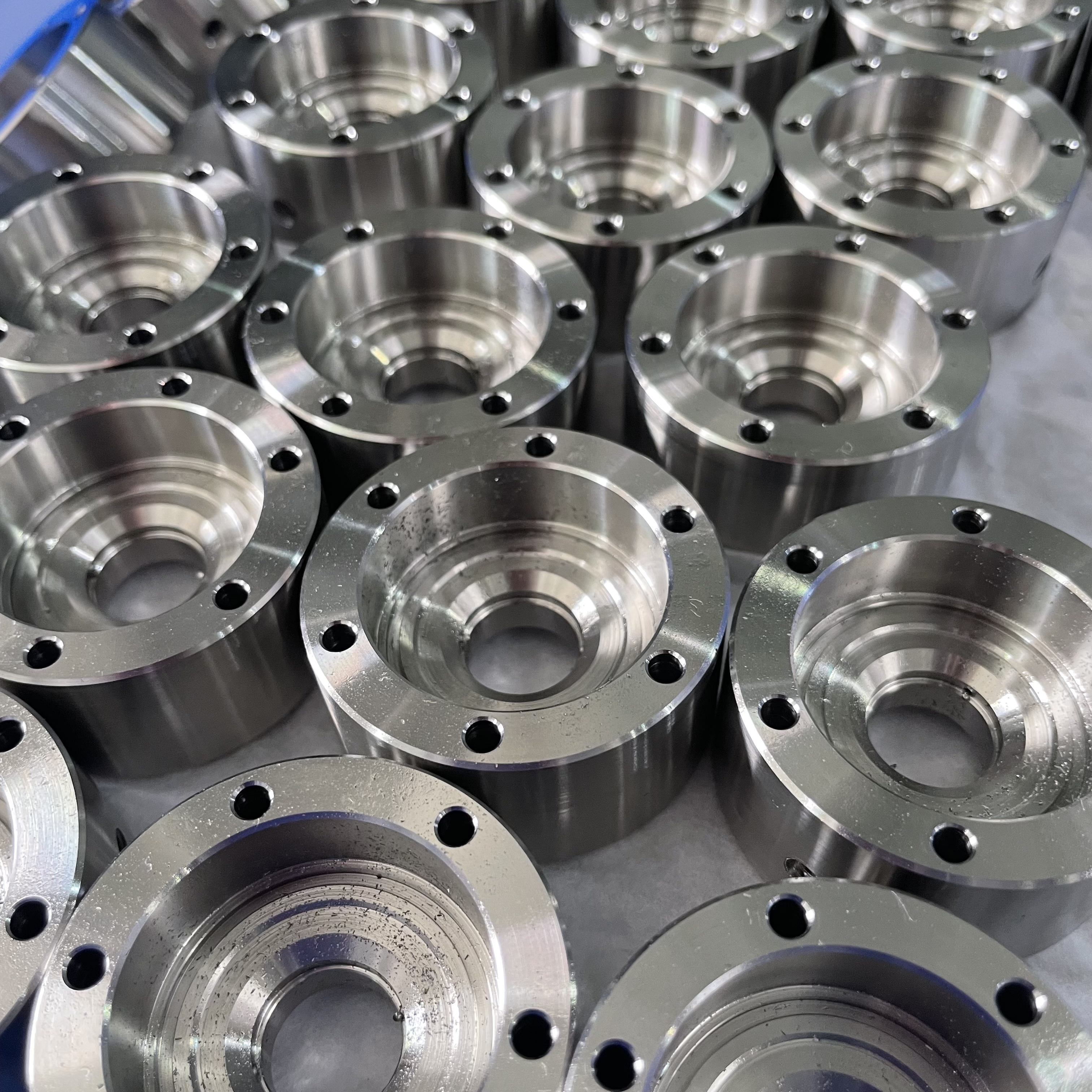
Your prototype holds unparalleled significance, and we deeply value its uniqueness. Collaborating with you during the preparation phase for running your prototype or parts is a commitment we gladly embrace. Whether it's a single part or a complex assembly, we are dedicated to selecting the optimal tools and pathways to bring your envisioned product to life.
At Precision Fab CNC Machining, we specialize in producing parts for prototypes, short runs, and high-volume production. Our prototyping machine capabilities extend across metal, plastic, and wood machining, with welding fabrication services available to complement and finalize your prototype if required.
Address
Address: Room320 10F, Building A,Nanshan international building, Dayawan District, Huizhou, Guangdong, 516001 China
Contacts
billy@timaycnc.com