Why Thermal Expansion Matters in CNC Material Selection

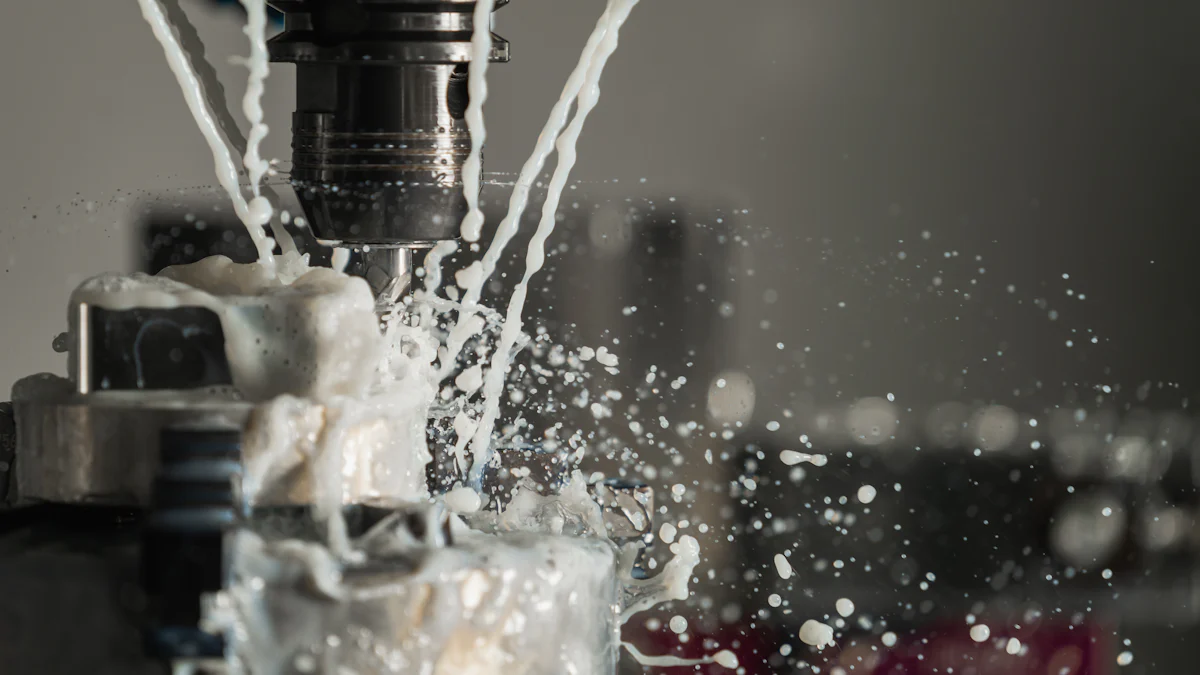
Thermal expansion plays a critical role in CNC machining. When materials like plastics, aluminum, or steel expand or contract due to temperature changes, the dimensions of CNC machined parts can shift. This affects precision and compromises performance. You must carefully consider material selection to ensure stability under varying conditions. Ignoring this factor can lead to machining errors, part failures, or even increased wear on your equipment. By understanding how thermal expansion impacts different materials, you can make informed decisions that enhance the reliability of your parts and processes.
Key Takeaways
Heat makes CNC parts change size. Pick materials that expand less to keep them accurate.
Ignoring heat changes can cause mistakes and broken parts. Always think about the working temperature and adjust your steps.
Keeping the workspace steady helps with accuracy. Control heat and use coolers to stop heat problems while working.
Use materials that react to heat in the same way. This avoids parts not fitting or working right together.
Change designs to handle heat changes. Set limits and working temperatures to keep parts strong.
Understanding Thermal Expansion in CNC Machining

What Is Thermal Expansion?
Definition and basic principles
Thermal expansion refers to the tendency of materials to change their dimensions when exposed to temperature variations. When a material heats up, its particles gain energy and vibrate more vigorously. This increased movement causes the material to expand. Conversely, cooling reduces particle energy, leading to contraction. These changes are especially noticeable in metals, which are commonly used in CNC machining.
This principle becomes critical when working with CNC machining materials. Even small temperature fluctuations can cause significant dimensional changes in parts with tight tolerances. For example, a part with a tolerance of less than 0.001 inches may experience issues if thermal expansion is not accounted for. To avoid such problems, you must consider the operating temperature of the part and, if necessary, adjust the manufacturing process to compensate for these changes.
How temperature changes affect material dimensions
Temperature changes directly influence the stability of CNC machined parts. As the material expands or contracts, its dimensions shift, which can lead to inaccuracies. For instance, a bearing designed to fit into an aluminum block may not fit properly if the temperature during installation differs from the operating temperature. This highlights the importance of understanding how thermal expansion affects the materials you select for CNC machining.
The Role of Thermal Expansion in CNC Machining
Precision machining and material stability
Thermal expansion plays a significant role in maintaining precision during CNC machining. Materials with high coefficients of thermal expansion are more prone to dimensional instability. Selecting materials with low thermal expansion coefficients can help reduce these changes. Additionally, subjecting materials to controlled heating and cooling cycles before machining stabilizes their molecular structure, minimizing deformations during the process.
Dimensional instability can also arise from heat generated during machining. This heat affects both the workpiece and the machine components, leading to inaccuracies. To mitigate these effects, you can implement strategies like temperature compensation, regular calibration, and environmental controls.
Examples of thermal expansion affecting CNC machined parts
Thermal expansion can cause various issues in CNC machined parts. For example, a metal shaft exposed to high temperatures during operation may expand and no longer fit into its housing. Similarly, a plastic component might contract in a cold environment, leading to gaps or misalignments in an assembly. These examples demonstrate why understanding thermal expansion is essential for ensuring the reliability and performance of CNC machined parts.
Consequences of Ignoring Thermal Expansion
Dimensional Inaccuracies in CNC Machined Parts
Expansion and contraction leading to machining errors
Ignoring thermal expansion can lead to significant dimensional inaccuracies in cnc machined parts. Materials expand or contract with temperature changes, and even minor shifts can disrupt precision. For instance, during cnc machining, materials can expand by 0.0025 mm per meter for every degree Celsius increase in temperature. This may seem small, but in high-precision applications, such changes can result in parts that fail to meet design specifications. Heat generated from cutting forces, friction, and the machine’s motor further exacerbates this issue, causing both the workpiece and machine components to expand. Selecting materials with low coefficients of thermal expansion is essential to minimize these errors and maintain accuracy.
Real-world examples of part failures
Thermal expansion has caused numerous part failures in real-world scenarios. A common example involves shafts or bearings that expand during operation, leading to improper fits or assembly issues. In another case, a plastic component contracted in a cold environment, creating gaps in an assembly. These failures highlight the importance of accounting for thermal expansion during material selection and machining processes.
Increased Wear and Tear on CNC Machines
Stress on machine components from unstable materials
Thermal expansion doesn’t just affect the workpiece; it also impacts the cnc machine itself. Materials with high thermal instability can create stress on machine components. For example, fluctuating temperatures can cause misalignment in the machine’s tools, reducing machining accuracy. Over time, this stress accelerates wear and tear on critical components like spindles and bearings.
Long-term effects on machine performance and costs
Unstable materials increase maintenance needs and operational costs. Misaligned tools and stressed components lead to frequent repairs and downtime. In the long run, this reduces the machine’s lifespan and increases the total cost of ownership. By choosing stable materials and controlling machining temperatures, you can protect your equipment and ensure consistent performance.
Compromised Part Performance
Issues with fit, function, and durability
Thermal expansion directly compromises the fit, function, and durability of cnc machined parts. Parts machined at temperatures different from their operating environment often deviate from intended dimensions. This leads to assembly issues, poor performance, and reduced lifespan. Rapid temperature changes can also induce residual stress in materials, weakening their mechanical properties and causing premature failure.
Implications for industries requiring high precision
Industries like aerospace, medical devices, and automotive demand high precision. In these fields, even minor inaccuracies can have serious consequences. Dimensional deviations, residual stress, and tool misalignment can all compromise the reliability of cnc machined parts. Addressing thermal expansion is critical to meeting the stringent requirements of these industries.
Evaluating Materials for CNC Machining
Key Factors in Material Selection
Coefficients of thermal expansion (CTE)
When selecting materials for CNC machining, understanding the coefficient of thermal expansion (CTE) is crucial. CTE measures how much a material expands or contracts with temperature changes. Metals like aluminum and steel typically have higher CTEs compared to ceramics or plastics, making them more prone to thermal deformation. Choosing materials with low CTEs helps maintain dimensional stability, especially for CNC machined parts requiring tight tolerances.
Operating temperature ranges and environmental conditions
You must also consider the operating temperature range and environmental conditions of the final product. Materials should withstand the temperatures they will encounter during use without significant expansion or contraction. For example, components exposed to extreme heat, such as in aerospace or automotive applications, require materials with stable thermal properties. Additionally, environmental factors like moisture or chemical exposure can affect material performance, so these must factor into your material selection criteria.
Comparing Materials for CNC Machined Parts
Metals vs. plastics: Differences in thermal behavior
Metals and plastics behave differently under thermal stress. Metals conduct and retain heat more effectively, which can impact tool life and machining efficiency. However, they are more prone to thermal deformation due to their higher CTEs. Plastics, on the other hand, have lower melting points and are more sensitive to temperature changes. A slight increase in temperature can cause plastic parts to deform, but they generate less heat during machining, reducing the need for extensive cooling systems.
Examples of materials with low and high thermal expansion
The table below highlights the thermal properties of common CNC machining materials:
Material | Linear Coefficient of Thermal Expansion (x 10⁻⁶ cm/cm °C) |
|---|---|
Aluminum | 21 - 24 |
Steel | 12 |
Fused quartz | 0.55 |
Epoxy - glass fiber reinforced | 36 |
Copper | 16 - 16.7 |
Materials like fused quartz, with a very low CTE, are ideal for applications requiring high thermal stability. In contrast, materials like epoxy composites expand significantly and may not suit precision machining.
Tools for Material Selection
Material data sheets and software tools
Material data sheets provide essential information about thermal properties, mechanical strength, and other characteristics. You can also use software tools like Finite Element Analysis (FEA) to simulate thermal behavior. These tools help predict how materials will respond to temperature changes, allowing you to address potential issues before machining begins.
Consulting with material experts or suppliers
Consulting with material experts ensures you make informed decisions. Experts can guide you on tensile strength, wear resistance, and compatibility with industry standards. This insight helps you select CNC machining materials that meet both performance and certification requirements.
Practical Tips for Mitigating Thermal Expansion Issues
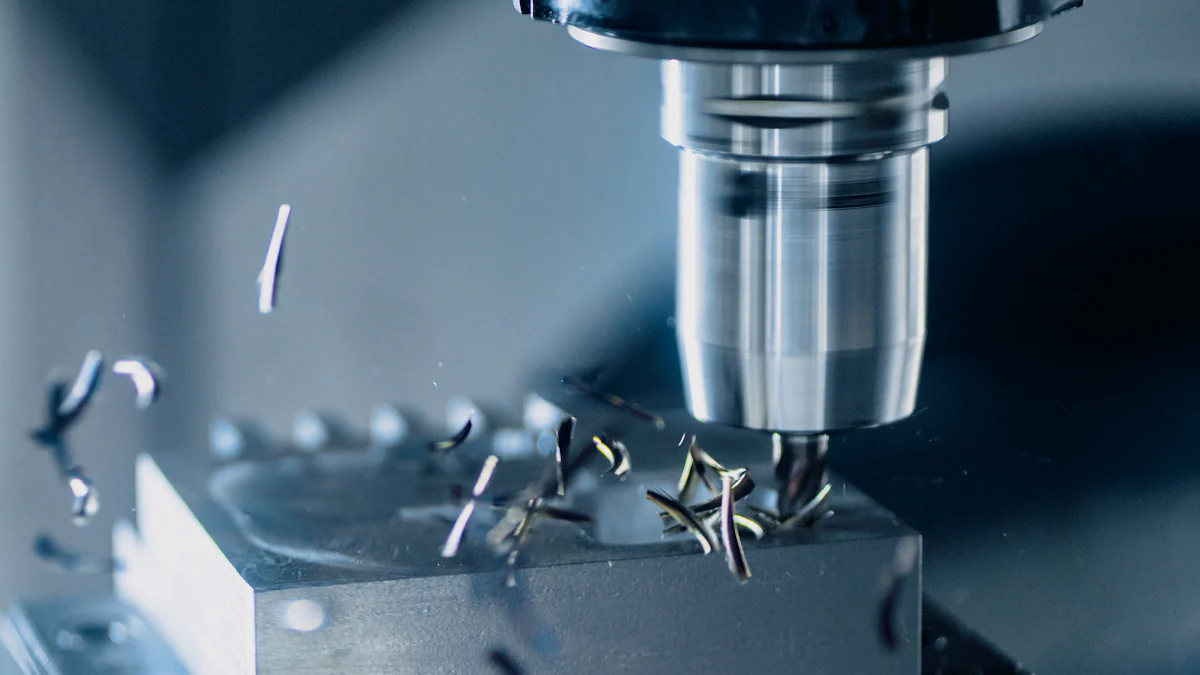
Material Pairing in CNC Machining
Combining materials with similar thermal properties
When designing CNC machined parts, pairing materials with similar thermal properties ensures dimensional stability. Materials with matching coefficients of thermal expansion (CTE) expand and contract at similar rates, reducing the risk of misalignment or stress in assemblies. For example, using aluminum components together minimizes thermal mismatches, as they respond uniformly to temperature changes. This approach is especially critical in high-precision applications where even minor deviations can compromise performance.
Avoiding mismatched materials in assemblies
Using mismatched materials in assemblies can lead to several issues:
Dimensional Inaccuracies: Parts may deviate from specified dimensions, resulting in poor fit and function.
Material Inconsistencies: Variations in thermal properties can cause unpredictable machining outcomes, increasing the risk of assembly failure.
Mismatched Seams or Joints: Improper alignment during assembly often occurs due to differences in material behavior under thermal stress.
To avoid these problems, you should carefully evaluate the thermal properties of all materials used in your design.
Environmental Controls for CNC Processes
Maintaining stable temperatures in machining environments
Controlling the temperature in your machining environment is essential for accuracy and repeatability. Stable temperatures prevent thermal expansion and contraction, ensuring consistent results. You can achieve this by:
Operating within temperature-controlled environments to enhance machining stability.
Insulating the machining area to buffer against temperature fluctuations.
Installing HVAC systems to maintain consistent ambient temperatures.
Using thermal shields to minimize external temperature impacts.
These measures not only improve the precision of your CNC machining but also extend tool life by reducing heat-related wear.
Using cooling systems to manage heat during machining
Cooling systems play a vital role in managing heat during the machining process. Effective options include:
Cryogenic Cooling: This method uses liquid nitrogen or CO2 to directly cool the cutting zone, significantly reducing temperatures.
Minimum Quantity Lubrication (MQL): This technique applies minimal lubricant to reduce heat generation and improve machining efficiency.
Additionally, water-based and non-water-based coolants serve as both coolants and lubricants, helping to manage heat while enhancing machining process capabilities.
Design Adjustments for CNC Machined Parts
Allowing for thermal expansion in part designs
Incorporating design adjustments can help accommodate thermal expansion. Selecting materials with low CTE minimizes dimensional changes. Pre-conditioning materials through controlled heating and cooling stabilizes their structure before machining. You can also apply corrections through post-processing techniques like grinding or polishing to refine dimensions after machining.
Incorporating tolerances to accommodate material changes
Designers must account for thermal expansion when specifying tolerances. For parts with tolerances below 0.001 inches, even small temperature changes can cause significant deviations. To mitigate this, you should:
Specify temperature conditions on technical drawings to standardize measurements.
Use electronic temperature-compensation systems to correct for temperature-induced errors in real time.
Adjust designs to account for operating temperatures, ensuring parts maintain their intended fit and function.
For example, a 15°F temperature change can exceed the recommended tolerance for a press-fit bearing, highlighting the importance of designing with thermal expansion in mind.
Addressing thermal expansion is essential for achieving precision and reliability in CNC machining. Temperature changes can cause dimensional inaccuracies, residual stress, and tool misalignment, all of which compromise part performance. You can mitigate these issues by selecting materials with low coefficients of thermal expansion, maintaining stable machining environments, and using real-time tool compensation. Gradual temperature transitions and regular machine calibration further enhance accuracy. By prioritizing these strategies, you ensure that your CNC machined parts meet the highest standards of quality and durability.
FAQ
What is the coefficient of thermal expansion (CTE), and why does it matter?
The CTE measures how much a material expands or contracts with temperature changes. It matters because materials with high CTEs can cause dimensional inaccuracies in CNC machined parts, especially in high-precision applications. Always check the CTE when selecting materials.
How can you reduce thermal expansion during CNC machining?
You can reduce thermal expansion by:
Choosing materials with low CTEs.
Controlling the machining environment's temperature.
Using cooling systems like cryogenic cooling or lubricants.
Designing parts with tolerances that account for expansion.
Which materials are best for minimizing thermal expansion?
Materials like fused quartz, Invar, and ceramics have low CTEs, making them ideal for precision machining. Metals like aluminum and plastics expand more, so they require careful consideration in high-temperature environments.
Can thermal expansion damage CNC machines?
Yes, thermal expansion can stress machine components, causing misalignment and wear. Over time, this leads to reduced accuracy, frequent repairs, and higher maintenance costs. Stable materials and temperature controls help protect your equipment.
How do you account for thermal expansion in part design?
Incorporate tolerances that allow for material changes. Specify operating temperatures on technical drawings. Use pre-conditioning techniques like controlled heating and cooling to stabilize materials before machining. These steps ensure parts maintain their intended fit and function.
Tip: Always consult material data sheets to understand thermal properties before machining.
See Also
Addressing Heat Issues in CNC Precision Component Manufacturing
Grasping Material Needs for CNC Precision Machining Success
Excelling in CNC Machining: Tolerances, Prototypes, and Materials
Become Proficient in CNC Machining: Technical Drawings and Material Choices
CNC Precision Component Production: Impacting Manufacturing Expenses
About US
Follow Us
Your prototype holds unparalleled significance, and we deeply value its uniqueness. Collaborating with you during the preparation phase for running your prototype or parts is a commitment we gladly embrace. Whether it's a single part or a complex assembly, we are dedicated to selecting the optimal tools and pathways to bring your envisioned product to life.
At Precision Fab CNC Machining, we specialize in producing parts for prototypes, short runs, and high-volume production. Our prototyping machine capabilities extend across metal, plastic, and wood machining, with welding fabrication services available to complement and finalize your prototype if required.
Address
Address: Room320 10F, Building A,Nanshan international building, Dayawan District, Huizhou, Guangdong, 516001 China
Contacts
billy@timaycnc.com