How to Achieve Tighter Tolerances with CNC Aluminium Machining

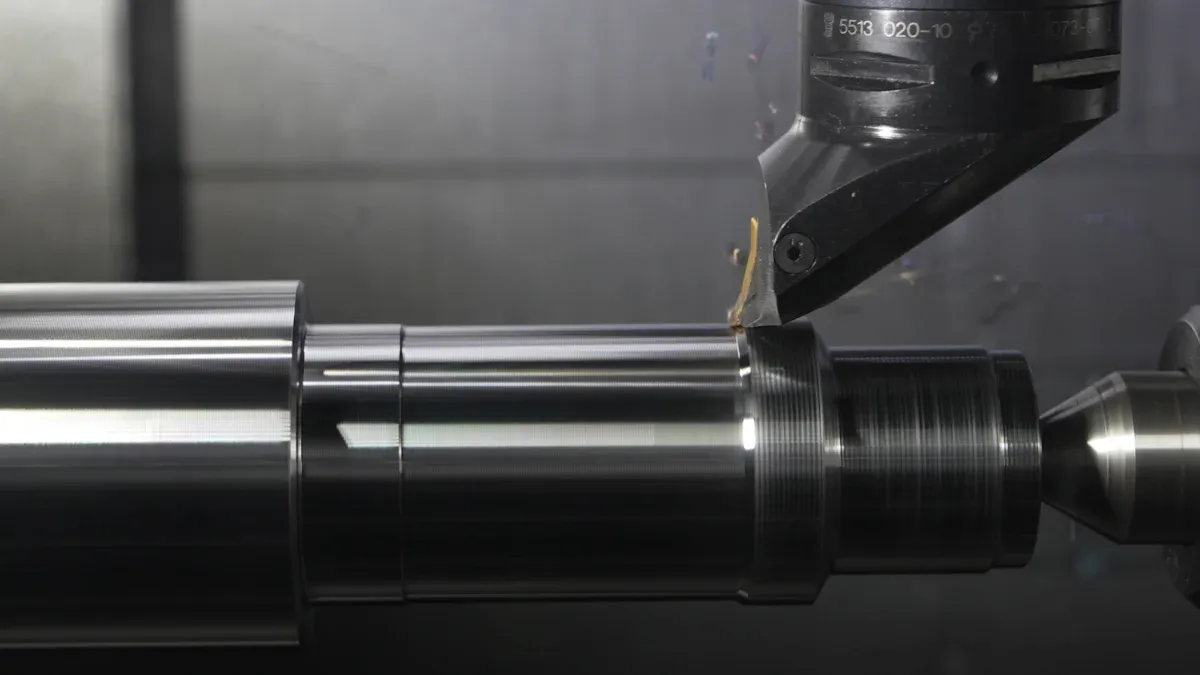
Precision in Aluminium CNC Machining is vital for industries like aerospace and automotive. Tight tolerances reduce defects, improve safety, and enhance fuel efficiency. However, challenges like residual stresses and thermal expansion can lead to errors. By optimizing tolerances and aligning methods with material properties, you can achieve consistent, high-quality results in Aluminium CNC Machining.
Key Takeaways
Keeping the temperature steady is very important. Use special cooling methods like cryogenic machining to stop parts from expanding and to avoid mistakes.
Take care of CNC machines and tools often. Check them regularly to keep them working well and to get accurate results.
Buy good cutting tools. Picking the right tools makes work more exact and helps tools last longer, giving better results.
Temperature Control in Aluminium CNC Machining
Managing Thermal Expansion for Tight Tolerances
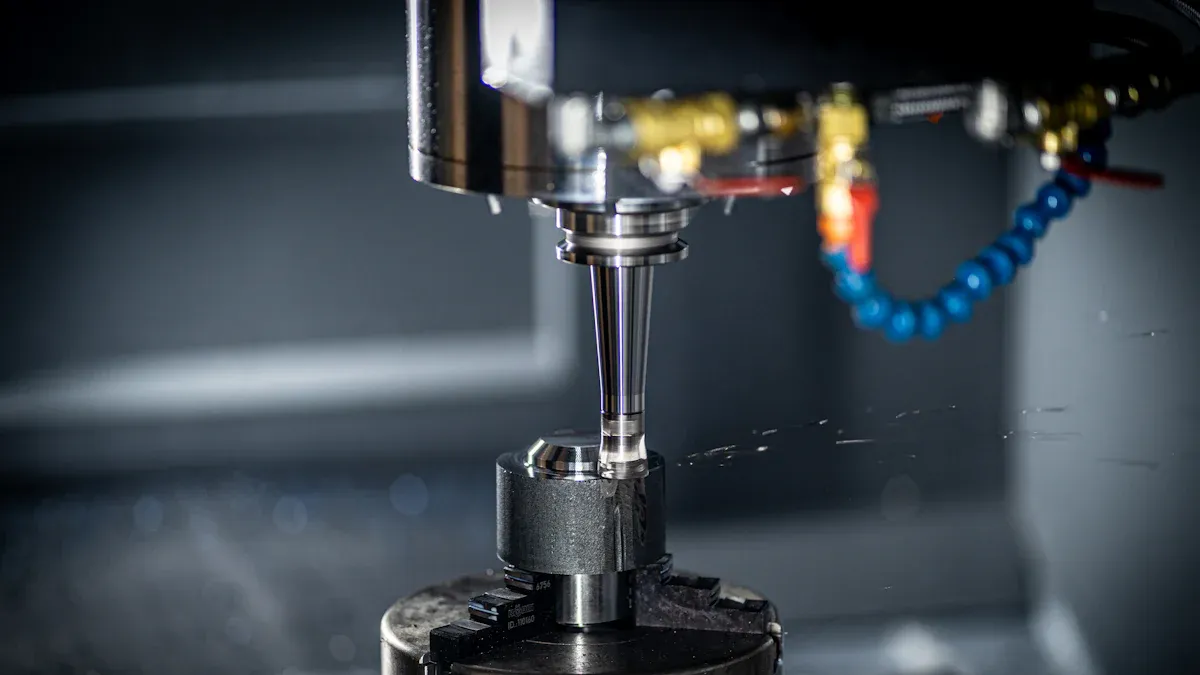
Temperature variations significantly impact the precision of aluminum CNC machining. Aluminum expands and contracts with temperature changes, which can cause dimensional inaccuracies. These thermal deformations account for up to 70% of machining errors. You can manage this by adopting advanced cooling techniques like cryogenic machining, where liquid nitrogen absorbs heat effectively. Precision spray cooling is another option, as it targets the tool-workpiece interface to minimize thermal buildup. Additionally, selecting tools made from materials like carbide or polycrystalline diamond helps withstand higher temperatures, ensuring tighter tolerances.
Tip: Optimize tool paths using intelligent software to reduce heat generation during machining. This approach minimizes contact time and improves overall precision.
The Role of Coolants and Lubricants in Precision
Coolants and lubricants play a vital role in maintaining tight tolerances. Liquid coolants, such as straight oils, are particularly effective for aluminum due to their ability to reduce friction and prevent chips from sticking to the tool. Flood cooling, which sprays coolant between the tool and the material, efficiently dissipates heat and enhances chip removal. For a more eco-friendly option, consider Minimum Quantity Lubrication (MQL). This technique uses minimal coolant in aerosol form, reducing waste while maintaining high precision.
Note: Proper lubrication not only improves machining accuracy but also extends tool life by reducing wear caused by excessive heat.
Creating a Stable Machining Environment
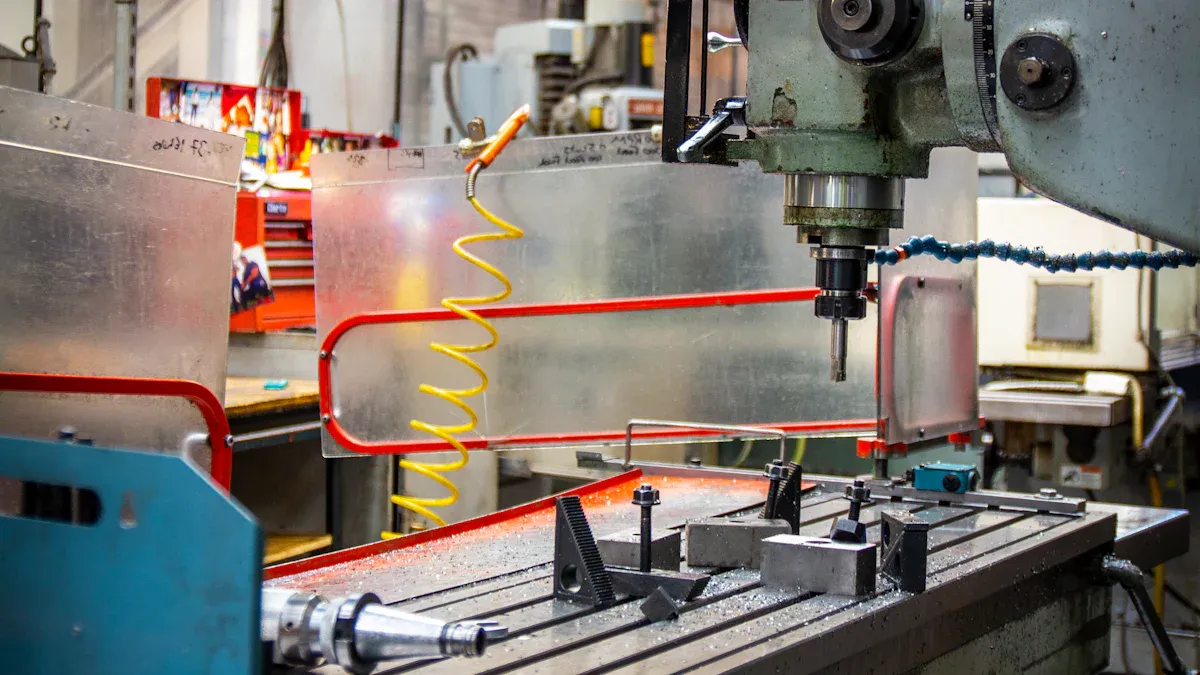
A stable machining environment is essential for achieving tight tolerances. Consistent temperature control prevents thermal expansion and contraction, ensuring dimensional accuracy. Maintaining machine stability is equally important. A well-maintained CNC machine resists cutting forces, reducing deviations during machining. You should also monitor humidity levels, as they can affect measurement accuracy, especially when using laser-based tools.
Reminder: Regularly calibrate your CNC equipment to maintain a stable environment and achieve high precision in aluminum machining.
Skilled Machinists and Their Role in Achieving Tolerances
Expertise in Handling Aluminum’s Unique Properties
Machinists play a critical role in managing aluminum’s unique properties to achieve tight tolerances. Aluminum’s softness and high thermal conductivity make it prone to deformation during machining. You can address this by optimizing tool paths to reduce stress and enhance precision. Proper work holding techniques, such as effective clamping, prevent distortion and maintain accuracy. Adjusting machining parameters like speed and feed rates also minimizes deformation and improves surface quality. Additionally, stress relief methods, such as annealing, stabilize the material and ensure consistent results.
Tip: Always match your machining approach to the specific aluminum grade to achieve tighter tolerances and high precision.
Understanding CNC Machine Capabilities
A deep understanding of CNC machine capabilities is essential for achieving tight tolerances. This knowledge helps you select the right machining methods, tools, and materials for your precision requirements. It also allows you to optimize part designs and tolerances based on application needs. For example:
Aligning the manufacturing process with desired outcomes ensures tighter tolerances.
High-precision equipment and well-maintained tools reduce inaccuracies.
Considering material properties, such as thermal expansion, helps define tolerances effectively.
By mastering your CNC machine’s potential, you can consistently produce components that meet exact specifications.
Continuous Training for Precision Machining
Continuous training programs keep machinists updated with the latest advancements in CNC technology. These programs cover critical areas like CNC operations and safety protocols, ensuring skill validation and career growth. Staying informed about new tools and techniques enhances your expertise and recognition in the industry. Ongoing education also helps you adapt to evolving challenges in aluminium CNC machining, ensuring you maintain tight tolerances and deliver high-quality results.
Reminder: Investing in training not only improves your skills but also boosts your ability to achieve tighter tolerances consistently.
Tools and Materials for Tighter Tolerances
Selecting High-Quality Cutting Tools for Aluminium CNC Machining
Choosing the right tool for the job is essential for achieving tight tolerances in aluminium CNC machining. High-quality cutting tools offer several advantages:
Rounded cutting edges reduce chipping and produce smooth surfaces.
Micro-grain carbide construction ensures durability and a longer lifespan.
Specialized coatings enhance performance and protect against wear.
A variety of shapes, lengths, and diameters cater to specific machining needs.
When working with aluminum, sharper angles on cutting tools improve performance due to the material's free-machining properties. Inserts with aluminum inlays also provide wear and corrosion resistance, further enhancing precision.
Tip: Always match the tool geometry to the material and application to maintain high precision and tight tolerances.
Tool Maintenance and Calibration for Accuracy
Regular maintenance and calibration of tools are critical for consistent machining accuracy. Calibration ensures that tools operate within specified tolerances, preventing deviations caused by wear or misalignment. Key benefits include:
Improved repeatability in the machining process.
Reduced errors and downtime.
Extended equipment lifespan.
Calibration involves using specialized instruments to verify that the tool's movements align with required specifications. This process optimizes machine performance, ensuring high-quality results.
Reminder: Schedule routine maintenance to avoid costly errors and maintain tight tolerances in your operations.
Choosing Aluminum Grades and Inspecting Raw Materials
The choice of aluminum grade significantly impacts machining tolerances. For example:
Aluminum 6061 offers versatility and corrosion resistance, making it ideal for automotive and aerospace applications.
Aluminum 7075 provides exceptional strength, suitable for military and aerospace uses.
Aluminum 2011 is a free-machining alloy, perfect for precision instruments.
Inspecting raw materials is equally important. Properties like abrasiveness, hardness, and heat stability influence the final tolerances. For instance:
Property | Influence on Tolerances |
|---|---|
Abrasiveness | Rough materials lead to faster tool wear, making it challenging to achieve accuracy. |
Hardness | Softer materials can change dimensions during machining, affecting precision. |
Heat Stability | Non-metals may lose shape due to heat, limiting machining processes. |
Note: Always inspect raw materials for consistency to ensure tighter tolerances and high precision in your final products.
The Importance of High-Quality CNC Machines
Benefits of Modern CNC Machines for Tight Tolerances
Modern CNC machines offer advanced features that help you achieve tight tolerances with ease. These machines come equipped with precision controls, ensuring high accuracy and repeatability in every cut. High spindle speeds, often exceeding 10,000 RPM, allow for smooth and precise machining of aluminum. Advanced cooling systems prevent overheating, maintaining consistent performance during extended operations.
You also benefit from wide tooling compatibility, which supports various tool geometries and diameters. This flexibility enables you to handle diverse machining tasks with high precision. Automatic tool changers further enhance efficiency by reducing downtime during tool swaps. Additionally, adaptive feed rates adjust automatically based on cutting loads, optimizing performance for varying aluminum hardness.
Tip: Look for CNC machines with rigid construction and powerful workholding systems to maintain stability and precision under cutting stress.
Risks of Outdated Equipment in Precision Machining
Using outdated CNC equipment can compromise your ability to achieve tight tolerances. Older machines often lack the precision controls and advanced cooling systems found in modern models. This can lead to inconsistent results and increased scrap rates. Outdated equipment may also struggle to maintain stability under cutting forces, resulting in dimensional inaccuracies.
Additionally, older machines typically lack features like adaptive feed rates and automatic tool changers, which are essential for efficient and precise machining. These limitations not only reduce productivity but also increase the risk of errors, making it harder to meet industry standards for high precision.
Regular Maintenance and Calibration for Consistency
Regular maintenance and calibration are essential for keeping your CNC machines in optimal condition. Calibration ensures that tools measure and cut with high precision, minimizing deviations and maintaining tight tolerances. It also improves measurement accuracy, reducing errors and scrap while lowering production costs.
Routine maintenance extends the operational lifespan of your equipment, ensuring consistent performance over time. By keeping your machines well-calibrated, you enhance the quality of each part produced and ensure compliance with strict industry standards.
Reminder: Schedule regular maintenance checks to avoid costly downtime and maintain high precision in your machining processes.
Quality Control in CNC Aluminium Machining
Inspection Techniques for Ensuring Tight Tolerances
Effective inspection techniques are essential for maintaining tight tolerances in aluminum CNC machining. On-machine inspection systems, equipped with small probes, allow you to check machining accuracy during production. These systems measure part dimensions in real-time and automatically adjust offsets, ensuring consistent quality. Additionally, tools like coordinate measuring machines (CMMs), optical comparators, and precision gauges verify dimensional accuracy. Regular calibration of these tools is critical to maintain their reliability.
A robust validation process further strengthens quality control. By conducting inspections at various stages of machining, you can monitor tolerances in real-time and correct deviations immediately. This approach minimizes errors and ensures high precision in the final product.
Using Precision Measuring Tools Effectively
Precision measuring tools play a vital role in achieving tight tolerances. Instruments like CMMs and optical comparators accurately measure complex geometries, ensuring parts meet specified tolerances. These tools also assess dimensional accuracy, which is crucial for maintaining high precision. Regular calibration and maintenance of measuring equipment prevent errors caused by wear or misalignment.
Advanced technologies, such as laser scanning, enhance the evaluation of tight tolerances. These methods provide detailed assessments of part dimensions, helping you identify and address potential issues early. Proper training in using these tools ensures accurate measurements and improves overall machining quality.
Implementing a Comprehensive Quality Assurance Process
A comprehensive quality assurance process ensures consistent results in CNC aluminum machining. This process includes multiple components, such as raw material inspection, in-process monitoring, and final evaluations. For example:
Component | Description |
|---|---|
Raw Material Inspection | Checking the quality and properties of materials before machining. |
In-Process Inspection | Continuous monitoring of dimensions and tolerances during machining. |
Dimensional Inspection | Verification of part dimensions using precision measuring instruments. |
Surface Finish Inspection | Evaluation of surface roughness and finish of machined parts. |
Final Inspection | Comprehensive evaluation of fully machined parts before release. |
By implementing these steps, you can maintain tight tolerances and ensure high-quality results. Regular documentation and record-keeping also provide traceability, which is essential for meeting industry standards.
Achieving tighter tolerances in aluminum CNC machining requires a focus on several critical factors:
Optimize part tolerances for specific applications.
Match manufacturing methods with efficiency goals.
Align tolerance expectations with material machinability.
Use high-quality cutting tools to maintain precision.
The sharpness of cutting tools directly impacts accuracy. Dull tools not only reduce precision but also increase energy consumption.
A systematic approach ensures consistent results. This includes precise toolpath programming, effective fixtures, and adherence to industry standards. Investing in advanced tools, training, and processes enhances your ability to meet tight tolerances while maintaining cost efficiency.
FAQ
What is the importance of tolerance requirements in aluminium CNC machining?
Tolerance requirements ensure parts meet precise dimensions and function correctly. They help maintain consistency, improve repeatability, and reduce errors in critical applications.
How can you achieve consistent repeatability in CNC machining services?
You can achieve repeatability by using modern CNC machines, maintaining tools, and calibrating equipment regularly. This ensures consistent dimensions and adherence to tolerance limits.
Why is inspecting dimensions crucial in aluminium CNC machining?
Inspecting dimensions ensures parts meet design specifications. It helps identify deviations early, ensuring compliance with tolerance requirements and maintaining high-quality standards.
See Also
Achieving Precision in CNC Machining for Component Production
Essential CNC Machining Skills: Tolerances, Prototyping, and Materials
Best Practices for Flawless CNC Machining of Aluminum Components
Key Material Considerations for CNC Precision Machining Success
Excelling in CNC Milling for High-Precision Component Fabrication
About US
Follow Us
Your prototype holds unparalleled significance, and we deeply value its uniqueness. Collaborating with you during the preparation phase for running your prototype or parts is a commitment we gladly embrace. Whether it's a single part or a complex assembly, we are dedicated to selecting the optimal tools and pathways to bring your envisioned product to life.
At Precision Fab CNC Machining, we specialize in producing parts for prototypes, short runs, and high-volume production. Our prototyping machine capabilities extend across metal, plastic, and wood machining, with welding fabrication services available to complement and finalize your prototype if required.
Address
Address: Room320 10F, Building A,Nanshan international building, Dayawan District, Huizhou, Guangdong, 516001 China
Contacts
billy@timaycnc.com