The Importance of Tool Selection in CNC Aluminum Projects

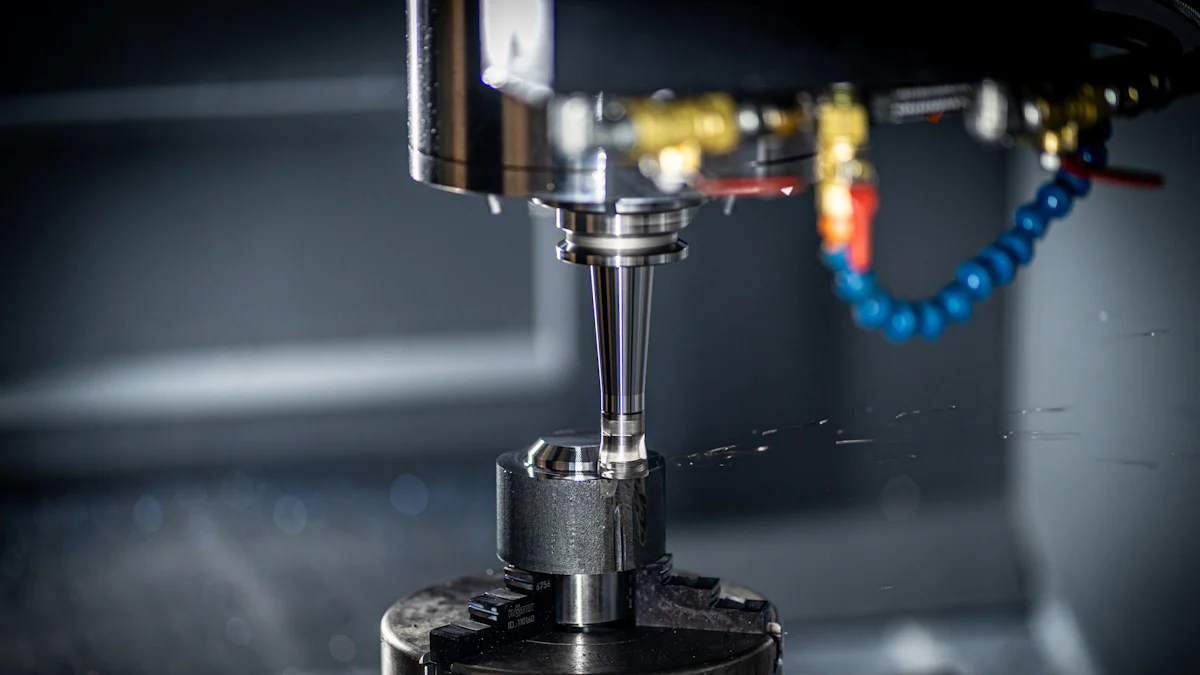
You cannot underestimate the importance of tool selection in CNC machining. Aluminum’s unique properties demand precision and efficiency. The right tool ensures smooth machining, reduces errors, and saves costs. CNC processes rely on tools designed to handle aluminum’s softness and heat conductivity. Choosing wisely directly impacts your project’s success.
Key Takeaways
Picking the right tools for CNC aluminum work is important. It helps make accurate cuts and saves money by avoiding mistakes.
Knowing aluminum's traits, like how it conducts heat and its softness, helps choose the best tools. This works well for different types of aluminum.
Matching tool shapes and using the right tools for each job improves product quality. It also makes work faster, which is key in busy factories.
Key Factors in Tool Selection
Aluminum’s Material Properties and Their Impact
Aluminum’s unique properties significantly influence how you approach machining. Its thermal conductivity and softness vary across different aluminum series, which impacts your tooling decisions. For example, pure aluminum (1000 series) is highly conductive and soft, making it prone to thermal deformation. On the other hand, the 7000 series, known for its hardness, requires careful thermal management to prevent warping. The table below highlights these differences:
Aluminum Series | Thermal Conductivity | Softness | Implications for Machining |
|---|---|---|---|
1000 (Pure) | Highly conductive | Soft | Susceptible to thermal deformation; ideal for conductivity-focused applications. |
3000 (Al-Mn) | Moderate | Moderate | Better thermal resistance; suitable for moderate strength applications. |
6000 (Al-Mg-Si) | Good | Moderate | Balances machinability and thermal stress resistance; suitable for structural uses. |
7000 (Al-Zn) | High | Hard | Highest strength; requires careful thermal management to avoid warping. |
Understanding these properties helps you select the right cnc tools for aluminum, ensuring better machining outcomes.
Tool Geometry and Its Role in Cutting Aluminum
Tool geometry plays a critical role in achieving precision when cutting aluminum. The shape, rake angles, and relief angles of cutting tools directly affect performance. Sharper angles are ideal for aluminum cnc machining because they cut through the material more effectively. For example:
Specialized drill bits for aluminum use specific geometries like optimized helix angles to prevent material damage.
Taps designed for aluminum ensure high-quality threads by combining appropriate geometry and coatings.
Abrasive wheels for grinding aluminum are selected based on the alloy’s hardness, ensuring efficient material removal and a smooth surface finish.
Choosing the right geometry for your cutting tools ensures accuracy and enhances the quality of cnc milled parts and cnc turned parts.
Aligning Tools with CNC Machining Processes
Aligning your tooling with specific cnc machining processes is essential for success. Different machining tasks require different tools, such as end mills, drills, or turning tools. Single-point tools are ideal for turning, while multi-point tools excel in milling. Inserts with optimized geometries, including rake and relief angles, match the requirements of specific aluminum alloys. Proper calibration of your cnc machine ensures accurate processing and high-quality results.
By aligning tools with machining processes, you enhance product quality, improve efficiency, and reduce costs. This alignment is especially critical in competitive manufacturing industries where precision and quality control are paramount.
Common Challenges in CNC Aluminum Machining
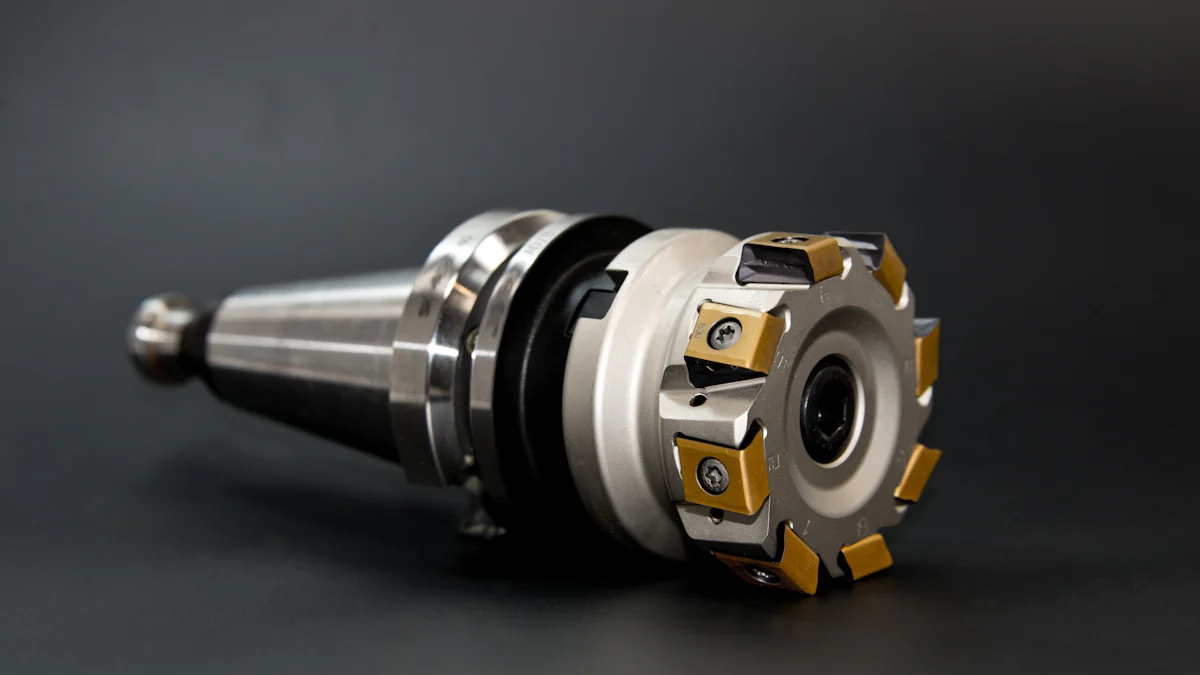
Tool Wear and Durability in Aluminum Machining
Tool wear is a critical challenge in aluminum cnc machining. As tools wear down, they require more cutting force, which can exceed acceptable tolerances. This increases cutting temperatures, leading to metal-to-metal friction and reduced tool performance. Worn tools also compromise the accuracy of cnc milled parts and cnc turned parts, resulting in quality issues. Aluminum’s softness and high ductility contribute to this problem. Instead of clean removal, the material can deform, accelerating tool wear. Poor chip evacuation further worsens the situation by causing chips to stick to the cutting tools. Regular checks on tool sharpness and proper operator training can help mitigate these issues.
Addressing Heat and Chip Removal
Heat generation and chip removal are two interconnected challenges in aluminum machining. Aluminum’s high thermal conductivity and low melting point make it prone to thermal buildup. This can lead to material softening, warping, or even melting during cnc machining. Effective cooling strategies, such as flood cooling or mist cooling, help dissipate heat and maintain optimal temperatures. Chip formation also poses a significant issue. Long chips can clog the cutting area, increasing friction and risking tool failure. Using compressed air, vacuum systems, or coolant systems ensures continuous chip removal. This not only prevents tool damage but also improves machining efficiency and prolongs tool life.
Overcoming Material-Specific Issues in Cutting Aluminum
Cutting aluminum presents unique challenges due to its material properties. Burr formation is common, especially on thicker sheets, requiring additional post-processing. Thermal distortion can occur during machining, affecting intricate designs. Thin-walled parts are particularly vulnerable to deformation from internal stresses or excessive cutting forces. Additionally, maintaining consistent cut quality can be difficult due to variability in alloy composition. To address these issues, you should fine-tune cnc machining tools and settings based on the specific aluminum alloy. Regular maintenance of equipment, including nozzles and cutting tools, ensures consistent results and minimizes downtime in manufacturing projects.
Best Practices for Tool Selection
Selecting the Right Coatings for CNC Machining Tools
Choosing the right coating for your cnc machining tools can significantly enhance performance in aluminum cnc machining. Coatings improve wear resistance, reduce friction, and enhance heat dissipation. For example, AlTiN coatings provide excellent wear resistance and chip evacuation, making them ideal for high-speed machining. The table below highlights the benefits of common coatings:
Coating Type | Hardness (HV) | Heat Resistance (°C) | Benefits |
|---|---|---|---|
TiN | 2000 | 500 | Good adhesion, lubricity, wear resistance |
AlTiN | High | 800 | High hardness, enhanced heat resistance |
CrN | 1800 | N/A | Increased wear resistance, lubricity |
You can also consider other options like powder coating for durability or anodizing to protect against corrosion. Selecting the right coating ensures high-quality results and extends tool life.
Optimizing Speed, Feed Rates, and Cutting Fluid
Optimizing speed and feed rates is essential for achieving precision in aluminum machining. Aluminum requires higher feed rates to prevent chip buildup and ensure effective chip thinning. Factors like flute geometry, coating, and tool diameter influence the ideal parameters. Adjusting these settings improves machining efficiency and reduces tool wear. Cutting fluid selection also plays a critical role. Proper fluids enhance cooling efficiency and prevent foam-related issues that can damage cnc milled parts. Contaminated fluids hinder chip removal, leading to surface defects. Regularly monitor and replace fluids to maintain quality control in your manufacturing projects.
Leveraging Coolants for Better Performance in CNC Tools for Aluminum
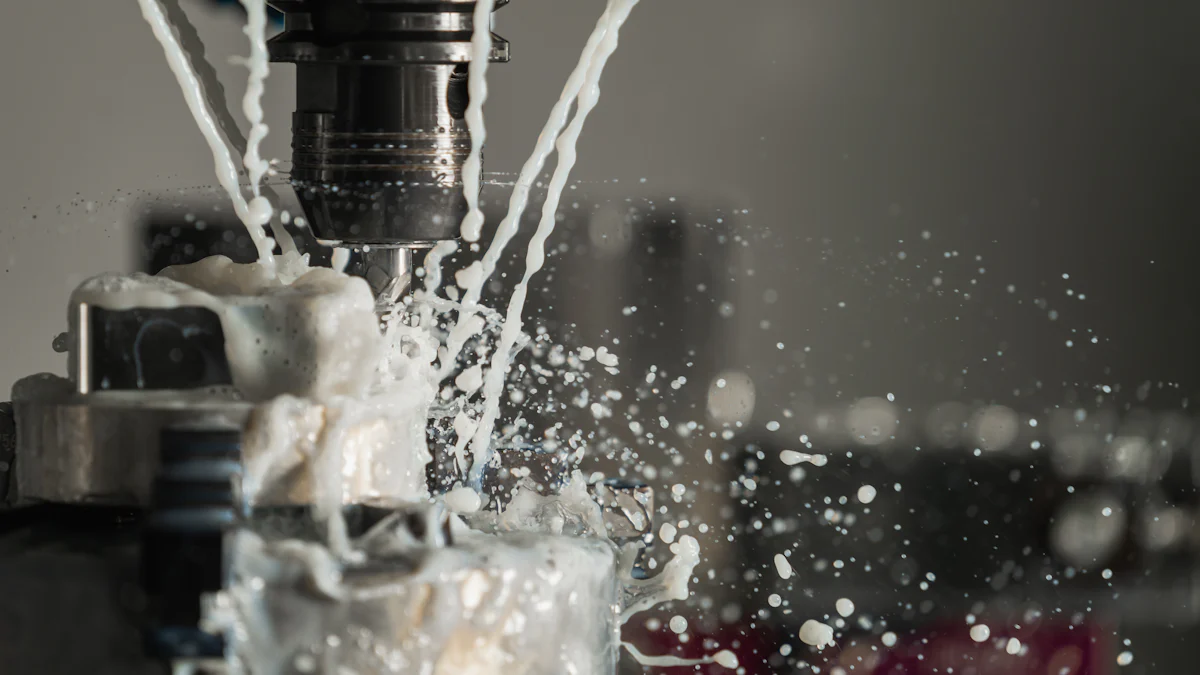
Coolants are indispensable in aluminum machining. They reduce heat buildup, protect tools from corrosion, and improve chip clearance. Flood cooling, for instance, sprays coolant directly onto the cutting area, ensuring effective heat dissipation. Minimum Quantity Lubrication (MQL) offers an eco-friendly alternative by using minimal coolant while maintaining efficiency. Straight oils, with their high oil content, provide excellent lubrication for sticky aluminum alloys. Using the right coolant enhances machining performance and ensures high-quality parts in your cnc projects.
Examples of Effective CNC Tools for Aluminum
Comparing High-Speed Steel (HSS) and Carbide Tools
When choosing between high-speed steel (HSS) and carbide tools for aluminum cnc machining, understanding their differences helps you make the right decision. Each material offers unique advantages:
Carbide tools deliver superior surface finishes and support higher cutting speeds. They excel in scenarios requiring high material removal rates.
HSS tools are more affordable and easier to re-sharpen, making them a cost-effective option for smaller projects.
Carbide tools often handle demanding machining tasks better, but their higher cost may not suit every budget.
Both options benefit from specific coatings and cutting angles tailored for aluminum cnc machining.
Selecting the right tool depends on your machining needs, budget, and the desired finish quality.
Single-Flute vs. Multi-Flute End Mills for Aluminum
End mills play a crucial role in aluminum cnc machining. Single-flute and multi-flute end mills each have distinct advantages:
Single-flute end mills ensure better chip evacuation, which is essential for softer materials like aluminum. They allow higher feed rates and shorter cycle times, making them ideal for deep cuts or gummy materials.
Multi-flute end mills provide greater rigidity, which improves stability during machining. However, they may struggle with chip clearance, especially in softer aluminum alloys.
For most aluminum milling tasks, two-flute end mills are standard, while three-flute end mills are preferred for finishing operations. Choosing the right flute configuration ensures efficient machining and high-quality results.
Specialized CNC Machining Tools for High-Precision Aluminum Projects
High-precision aluminum projects demand specialized cnc machining tools. These tools enhance accuracy and maintain material integrity:
Shear Hog: Ideal for roughing operations, offering fast material removal and smooth finishes.
Mini-Shear: Perfect for detailed work, producing fine finishes and efficient chip evacuation.
Circular Saw: Provides clean, precise cuts for larger aluminum pieces.
Micro-Grain Carbide Tools: Minimize chipping and deliver smooth surfaces, especially in hard alloys or exotic composites.
Material Type | Recommended Tooling | Tool Material |
|---|---|---|
Aluminum | Carbide End Mills, Face Mills | Carbide, HSS |
These tools, combined with advanced CNC technologies like multi-axis machining, ensure tight tolerances and exceptional quality control in aluminum cnc machining.
Effective tool selection ensures precision cuts, cost savings, and efficient aluminum machining. You can achieve exact precision by understanding aluminum’s properties and optimizing machining techniques. For example, using aluminum inserts with high-speed machining improves durability and reduces tool wear. Applying these aluminum processing solutions enhances cnc machining outcomes, delivering reliable results for your projects.
FAQ
What is the best tool for high-precision aluminum projects?
Specialized tools like micro-grain carbide end mills or shear hogs work best. These tools ensure tight tolerances and smooth finishes for high-precision aluminum projects.
How do you prevent tool wear during aluminum machining?
Use coated tools, optimize feed rates, and apply coolants. Regularly inspect tools for sharpness to maintain performance and reduce wear.
Why is chip removal important in CNC aluminum machining?
Efficient chip removal prevents clogging, reduces friction, and avoids tool damage. It also improves machining efficiency and ensures better surface quality.
See Also
Uncovering The Benefits Of Aluminum CNC Machining Solutions
Become Proficient In CNC Machining: Technical Drawing And Material Choices
Comprehensive Guide To CNC Turning For RC Car Aluminum Components
2024 Overview: CNC Machining Of Aluminum Alloys 6061 And 7075
Insights Into Aluminum Alloy 7075: CNC Machining Techniques And Uses
About US
Follow Us
Your prototype holds unparalleled significance, and we deeply value its uniqueness. Collaborating with you during the preparation phase for running your prototype or parts is a commitment we gladly embrace. Whether it's a single part or a complex assembly, we are dedicated to selecting the optimal tools and pathways to bring your envisioned product to life.
At Precision Fab CNC Machining, we specialize in producing parts for prototypes, short runs, and high-volume production. Our prototyping machine capabilities extend across metal, plastic, and wood machining, with welding fabrication services available to complement and finalize your prototype if required.
Address
Address: Room320 10F, Building A,Nanshan international building, Dayawan District, Huizhou, Guangdong, 516001 China
Contacts
billy@timaycnc.com