Top 3 CNC Turning Techniques Explained


CNC turning plays a crucial role in modern manufacturing. You see its impact in industries like automotive, where it accounts for about 25% of the total market demand. This technique allows you to produce high-quality parts efficiently. The global CNC machinery market is projected to reach $130,136.7 million by 2032, growing at a CAGR of 5.6%. This growth highlights the importance of CNC turning in meeting the rising demand for precision and mass production. As technology advances, you can expect even more opportunities in regions like Asia-Pacific, where the manufacturing sector is booming.
Technique 1: Turning with Live Tooling
Introduction to Turning with Live Tooling
Overview of the technique
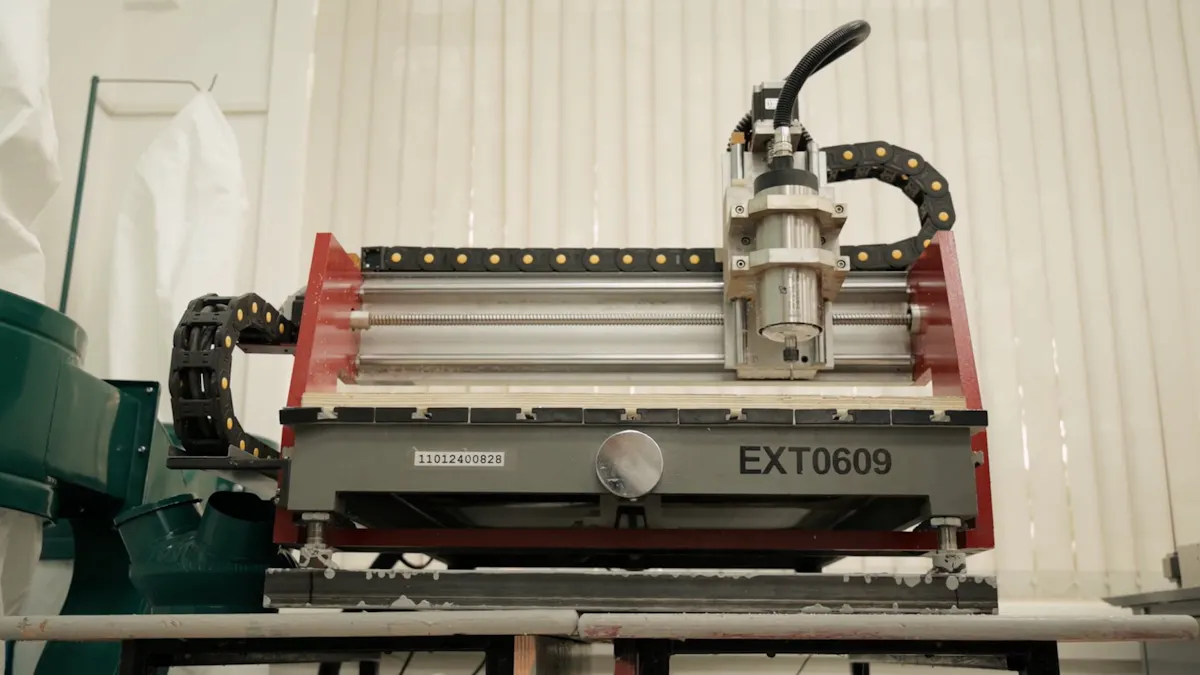
Turning with live tooling represents a significant advancement in CNC turning. This technique allows you to perform milling, drilling, and tapping operations on a lathe without needing to transfer the workpiece to another machine. By integrating live tooling, you can achieve complex geometries and intricate designs in a single setup. This capability enhances the versatility of CNC turning, making it an invaluable asset in modern manufacturing.
Historical context or development
The development of live tooling in CNC turning has roots in the quest for efficiency and precision. Initially, manufacturers relied on separate machines for turning and milling operations. However, the introduction of live tooling revolutionized this process. Machines like the Hurco TMM CNC lathes simplified programming and integrated multiple design features, proving valuable for mill-turn applications. This innovation has helped industries such as medical, electronics, and aviation to overcome challenges associated with outdated spindle technology.
How Turning with Live Tooling Works
Step-by-step process
Setup: Begin by securing the workpiece in the lathe chuck. Ensure that the live tooling attachments are properly installed.
Programming: Use CNC software to program the desired operations. This includes specifying the tool paths for both turning and milling tasks.
Execution: Initiate the CNC turning process. The machine will perform turning operations first, followed by milling or drilling using the live tooling.
Completion: Once the operations are complete, inspect the workpiece for accuracy and precision.
Required equipment and tools
To effectively utilize turning with live tooling, you need a CNC lathe equipped with live tooling capabilities. Essential tools include:
Live Tool Holders: These hold the milling or drilling tools.
CNC Control Software: For programming and controlling the operations.
Cutting Tools: Various milling and drilling bits suitable for the material being machined.
Advantages of Turning with Live Tooling
Efficiency and precision
Turning with live tooling significantly enhances the efficiency of CNC turning. By combining multiple operations into a single setup, you reduce the need for additional machines and setups. This not only saves time but also minimizes errors associated with transferring workpieces between machines. The precision achieved through this technique is unparalleled, as it allows for tighter tolerances and more accurate parts.
Cost-effectiveness
Incorporating live tooling into your CNC turning process can lead to substantial cost savings. By reducing the number of machines required and streamlining operations, you lower both capital and operational expenses. Additionally, the ability to produce complex parts in a single setup reduces labor costs and increases overall productivity.
Potential Drawbacks of Turning with Live Tooling
Limitations in application
Turning with live tooling offers numerous benefits, but it also has its limitations. You might find that this technique is not suitable for every type of material or part geometry. For instance, if you're working with extremely hard materials, the wear on live tooling components can increase significantly. This can lead to higher maintenance costs and more frequent tool replacements. Additionally, the complexity of the setup might not justify its use for simple parts or low-volume production runs. In such cases, traditional turning methods could be more cost-effective and efficient.
Common challenges faced
When you use live tooling, you may encounter several challenges. One common issue is the increased complexity in programming and setup. The integration of milling and drilling operations requires precise coordination, which can be difficult to achieve without advanced CNC control software. This complexity can lead to longer setup times and a steeper learning curve for operators.
Another challenge is the potential for vibration during operation. Although live tooling allows for intricate designs, the added movements can sometimes cause instability, especially if the machine is not properly calibrated. This can result in inaccuracies and affect the quality of the finished product.
Moreover, the initial investment for machines equipped with live tooling can be substantial. You need to weigh the benefits against the costs to determine if this technology aligns with your production goals. Despite these challenges, the versatility and efficiency of live tooling make it a valuable asset in many manufacturing environments.
Technique 2: Swiss-Type CNC Turning
Introduction to Swiss-Type CNC Turning
Overview of the technique
Swiss-Type CNC Turning stands out for its ability to produce highly precise and intricate parts. This technique involves a sliding headstock that moves the workpiece through a guide bushing. As a result, you achieve exceptional stability and precision, especially when working with long and slender components. Swiss lathes excel in creating thinner and more precise cuts compared to other lathe types. They also incorporate live tooling, allowing you to perform milling and drilling operations without transferring the workpiece to another machine.
Historical context or development
The origins of Swiss-Type CNC Turning trace back to the Swiss watchmaking industry. Manufacturers needed a method to produce small, precise components efficiently. Over time, this technique evolved, integrating advanced CNC technology and live tooling capabilities. Today, Swiss lathes are indispensable in industries like medical device manufacturing, electronics, and aerospace, where precision and complexity are paramount.
How Swiss-Type CNC Turning Works
Step-by-step process
Setup: Secure the workpiece in the guide bushing. Ensure the sliding headstock is properly aligned.
Programming: Use CNC software to program the desired operations, including turning, milling, and drilling tasks.
Execution: Initiate the CNC turning process. The sliding headstock moves the workpiece through the guide bushing while the tools perform the programmed operations.
Completion: Inspect the finished part for accuracy and precision.
Required equipment and tools
To effectively utilize Swiss-Type CNC Turning, you need a Swiss lathe equipped with live tooling capabilities. Essential tools include:
Guide Bushing: Provides support and stability for the workpiece.
Sliding Headstock: Moves the workpiece through the guide bushing.
CNC Control Software: For programming and controlling the operations.
Cutting Tools: Various milling and drilling bits suitable for the material being machined.
Advantages of Swiss-Type CNC Turning
Efficiency and precision
Swiss-Type CNC Turning offers unparalleled efficiency and precision. The sliding headstock and guide bushing system ensure minimal deflection, allowing you to achieve tighter tolerances and more accurate parts. This technique is particularly beneficial for producing complex geometries and intricate designs in a single setup.
Cost-effectiveness
Incorporating Swiss-Type CNC Turning into your manufacturing process can lead to significant cost savings. By reducing the need for multiple machines and setups, you lower both capital and operational expenses. Additionally, the ability to produce complex parts in a single setup reduces labor costs and increases overall productivity.
Potential Drawbacks of Swiss-Type CNC Turning
Limitations in application
Swiss-Type CNC Turning offers remarkable precision, but it does have its limitations. You might find that this technique is not ideal for every manufacturing scenario. For instance, Swiss lathes excel in producing small, intricate parts, but they may not be the best choice for larger components. The design of Swiss lathes focuses on long and slender workpieces, which means you could face challenges when working with bulkier materials.
Additionally, the complexity of Swiss-Type CNC Turning can make it less suitable for simple parts or low-volume production runs. In such cases, traditional turning methods might prove more efficient and cost-effective. You should carefully evaluate your production needs to determine if Swiss-Type CNC Turning aligns with your goals.
Common challenges faced
When you use Swiss-Type CNC Turning, you may encounter several challenges. One common issue is the increased complexity in setup and programming. The integration of live tooling and the sliding headstock mechanism require precise coordination. This complexity can lead to longer setup times and a steeper learning curve for operators.
"Swiss lathes can create thinner and more precise cuts than other types of lathes," but this precision comes with its own set of challenges. The need for specialized equipment and tools can increase initial investment costs. You must weigh these costs against the benefits to ensure that Swiss-Type CNC Turning is the right fit for your production needs.
Another challenge involves the potential for tool wear and maintenance. The intricate operations performed by Swiss lathes can lead to increased wear on cutting tools. Regular maintenance and tool replacement become essential to maintain the quality of the finished product. You should plan for these additional costs and ensure that your team is equipped to handle the maintenance requirements.
Technique 3: Multi-Spindle CNC Turning
Introduction to Multi-Spindle CNC Turning
Overview of the technique
Multi-Spindle CNC Turning revolutionizes the way you approach high-volume production. This technique involves using multiple spindles within a single machine, allowing you to perform several operations simultaneously. Each spindle works on a different part of the workpiece, significantly reducing cycle times and increasing productivity. You can achieve complex geometries and intricate designs with remarkable efficiency. Multi-spindle machines are ideal for industries that demand large quantities of precision parts, such as automotive and aerospace.
Historical context or development
The development of multi-spindle CNC turning stems from the need to enhance production efficiency. Initially, manufacturers relied on single-spindle machines, which limited output and increased production times. The introduction of multi-spindle technology marked a significant advancement in CNC turning. By integrating multiple spindles, manufacturers could perform various operations concurrently, streamlining the production process. This innovation has become a cornerstone in industries where speed and precision are paramount.
How Multi-Spindle CNC Turning Works
Step-by-step process
Setup: Secure the workpiece in the machine. Ensure that each spindle is equipped with the appropriate tools for the operations.
Programming: Use CNC software to program the desired operations for each spindle. Specify the tool paths and sequences for turning, milling, or drilling tasks.
Execution: Initiate the CNC turning process. The machine performs multiple operations simultaneously, with each spindle working on a different section of the workpiece.
Completion: Inspect the finished parts for accuracy and precision.
Required equipment and tools
To effectively utilize multi-spindle CNC turning, you need a CNC lathe equipped with multiple spindles. Essential tools include:
Multi-Spindle Machine: Capable of performing simultaneous operations.
CNC Control Software: For programming and controlling the operations.
Cutting Tools: Various milling and drilling bits suitable for the material being machined.
Advantages of Multi-Spindle CNC Turning
Efficiency and precision
Multi-Spindle CNC Turning offers unparalleled efficiency. By performing multiple operations at once, you drastically reduce production times. This technique allows you to produce high-quality parts with tight tolerances, ensuring consistency and precision across large batches. The ability to handle complex geometries in a single setup enhances the versatility of your manufacturing process.
Cost-effectiveness
Incorporating multi-spindle CNC turning into your production line can lead to significant cost savings. By reducing the number of machines required and streamlining operations, you lower both capital and operational expenses. The increased output and reduced cycle times translate to higher productivity and lower labor costs. This makes multi-spindle CNC turning an attractive option for industries focused on high-volume production.
Potential Drawbacks of Multi-Spindle CNC Turning
Limitations in application
Multi-Spindle CNC Turning offers impressive efficiency, but it may not suit every manufacturing need. You might find that this technique is less effective for producing parts with extremely tight tolerances. Industries like medical and aerospace often require precision that exceeds the capabilities of multi-spindle machines. Swiss lathes, known for their high precision and tight tolerances, might be a better choice for such applications. Multi-spindle machines excel in high-volume production, yet they may struggle with smaller, intricate components that demand exceptional accuracy.
Common challenges faced
When you use multi-spindle CNC turning, you may encounter several challenges. One common issue is the complexity of programming and setup. Each spindle requires precise coordination to ensure that operations occur simultaneously without errors. This complexity can lead to longer setup times and a steeper learning curve for operators. You must invest in advanced CNC control software to manage these intricacies effectively.
Another challenge involves tool wear and maintenance. The simultaneous operations performed by multiple spindles can increase wear on cutting tools. Regular maintenance and tool replacement become essential to maintain the quality of the finished product. You should plan for these additional costs and ensure that your team is equipped to handle the maintenance requirements.
Additionally, the initial investment for multi-spindle machines can be substantial. You need to weigh the benefits against the costs to determine if this technology aligns with your production goals. Despite these challenges, the efficiency and productivity gains offered by multi-spindle CNC turning make it a valuable asset in many high-volume manufacturing environments.
In this blog, you explored the top three CNC turning techniques: Turning with Live Tooling, Swiss-Type CNC Turning, and Multi-Spindle CNC Turning. Each technique offers unique advantages in efficiency, precision, and cost-effectiveness. You learned how Swiss-Type CNC Turning excels in producing intricate parts with its sliding headstock and guide bushing, while Multi-Spindle CNC Turning boosts productivity with simultaneous operations. These techniques find real-world applications in industries like automotive, aerospace, and medical device manufacturing. As technology advances, you can expect CNC turning to continue evolving, offering even greater precision and efficiency in manufacturing processes.
See Also
Exploring the Traits of CNC Precision Machining: Unveiling CNC Turning
Exploring CNC Machining Services: Techniques for Turning and Milling
Becoming Proficient in CNC Turning: All You Must Understand
Perfecting CNC Turning: Key Factors and Metalworking Methods
Exploring the Top Precision CNC Machining Methods: 5 Essential Techniques
About US
Follow Us
Your prototype holds unparalleled significance, and we deeply value its uniqueness. Collaborating with you during the preparation phase for running your prototype or parts is a commitment we gladly embrace. Whether it's a single part or a complex assembly, we are dedicated to selecting the optimal tools and pathways to bring your envisioned product to life.
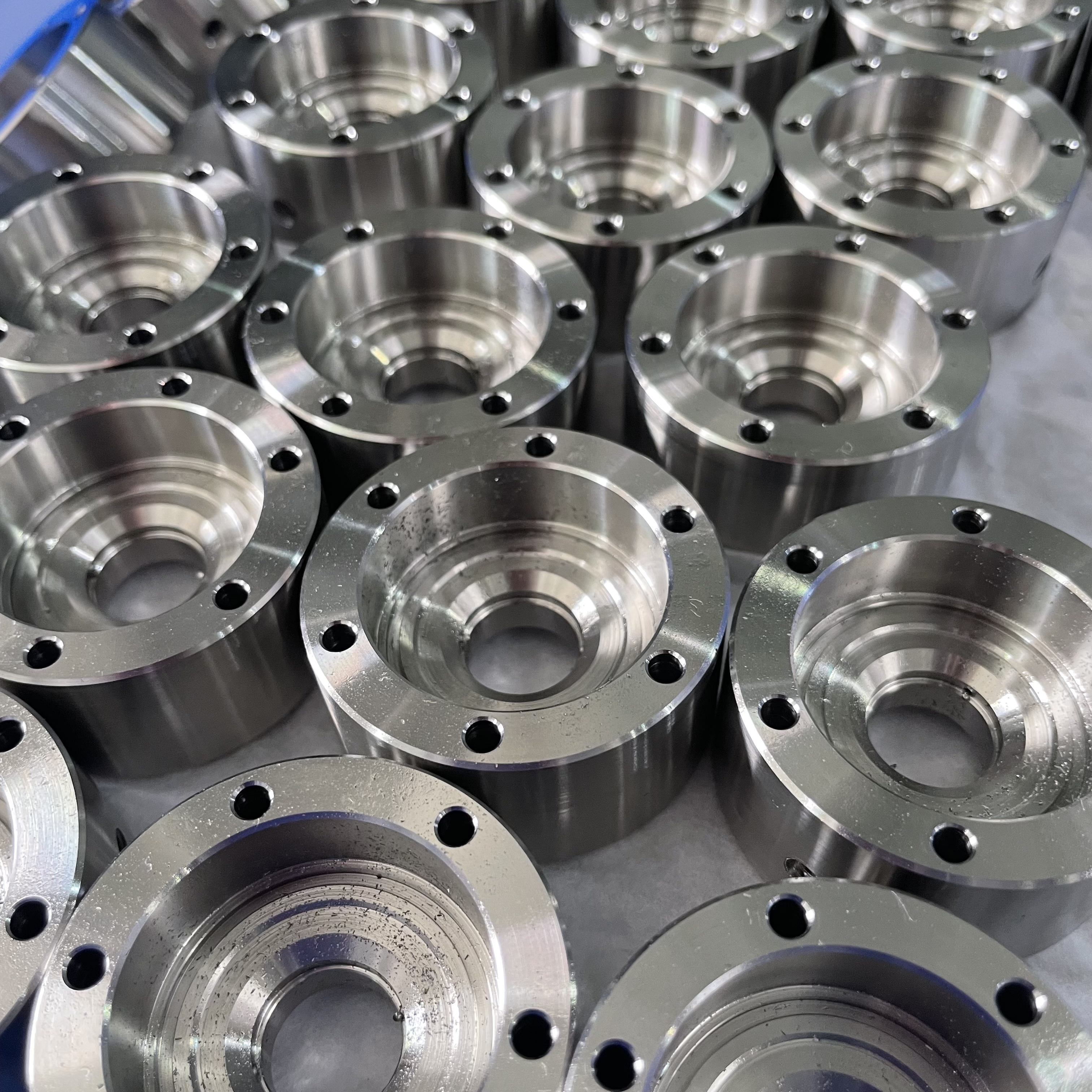
At Precision Fab CNC Machining, we specialize in producing parts for prototypes, short runs, and high-volume production. Our prototyping machine capabilities extend across metal, plastic, and wood machining, with welding fabrication services available to complement and finalize your prototype if required.
Address
Address: Room320 10F, Building A,Nanshan international building, Dayawan District, Huizhou, Guangdong, 516001 China
Contacts
billy@timaycnc.com