What You Need to Know About 5-Axis CNC Machines

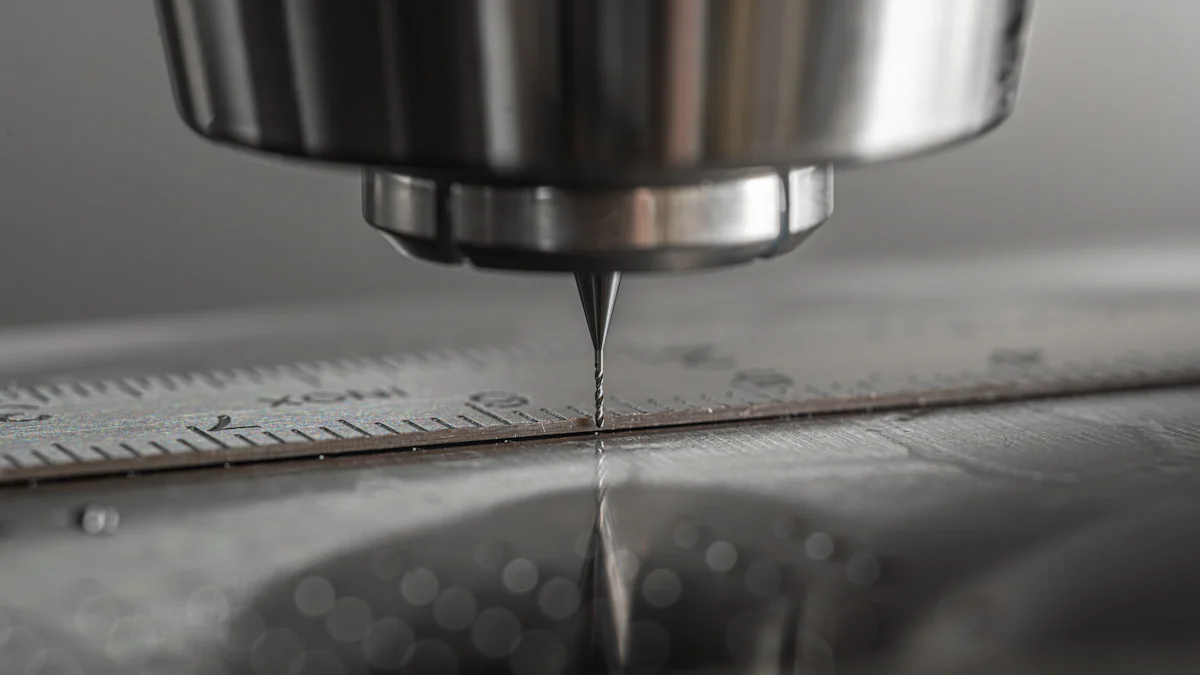
CNC machines have transformed manufacturing by automating intricate tasks with precision. Among these, the 5-axis CNC machine is a standout game-changer in modern manufacturing. This advanced CNC machine enables the creation of complex parts with unparalleled accuracy, making it essential in industries such as aerospace and medical device manufacturing. The capability to move in five axes enhances efficiency and minimizes manual intervention. This blog aims to offer you essential insights into the workings and benefits of 5-axis CNC machines, empowering you to grasp their crucial role in today's technological landscape.
Understanding 5-Axis CNC Machines
Definition and Basic Concepts
What is a 5-axis CNC machine?
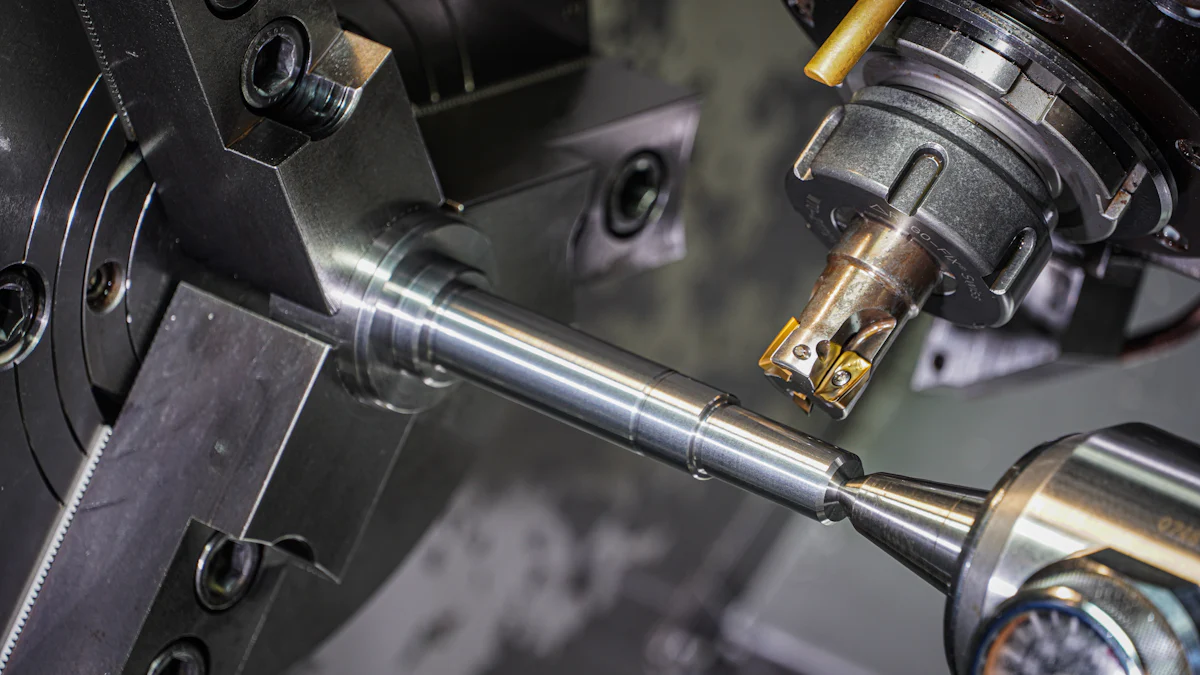
A 5-axis CNC machine is an advanced tool used in manufacturing that allows you to move a cutting tool or part along five different axes simultaneously. These axes include the traditional X, Y, and Z linear axes, along with two additional rotational axes, often referred to as A and B. This capability enables the machine to approach the workpiece from any direction, allowing for the creation of complex and intricate parts with high precision.
How does it differ from other CNC machines?
Unlike traditional 3-axis CNC machines, which can only move in three linear directions, 5-axis CNC machines offer enhanced flexibility and efficiency. You can achieve complex geometries without the need for multiple setups or manual repositioning of the workpiece. This reduces production time and increases accuracy. For example, in aerospace applications, the ability to produce intricate components with tight tolerances is crucial, and 5-axis CNC machines excel in this area.
Components and Mechanism
Key components of a 5-axis CNC machine
A 5-axis CNC machine consists of several essential components that work together to perform precise machining tasks:
Spindle: The spindle holds and rotates the cutting tool. High-performance spindles, like those found in the DMU 50 from DMG MORI, provide substantial torque for efficient cutting.
Rotary Table: This component allows the workpiece to rotate, enabling multi-sided machining. The VARIAXIS i-800 by Mazak features a tilting rotary table for enhanced versatility.
Control System: Advanced control systems, such as Mazak's SmoothX CNC control, facilitate programming and monitoring, ensuring precise operations.
Tool Changer: Automatic tool changers streamline the process by quickly swapping out tools as needed, boosting productivity.
How the mechanism works
The mechanism of a 5-axis CNC machine involves coordinated movements across all five axes. The machine's control system calculates the optimal path for the cutting tool, ensuring it approaches the workpiece at the correct angle and position. This simultaneous movement allows for the machining of complex shapes and designs in a single setup. For instance, the UMC-750SS by Haas Automation offers simultaneous 5-axis machining, enabling the production of intricate parts with rapid and precise cutting.
By understanding these components and mechanisms, you can appreciate how 5-axis CNC machines revolutionize manufacturing processes, offering unmatched precision and efficiency.
Advantages of 5-Axis CNC Machines
Precision and Accuracy
Enhanced precision in complex machining
When you use a 5-axis CNC machine, you achieve remarkable precision in complex machining tasks. This machine allows the cutting tool to approach the workpiece from multiple angles, ensuring that intricate shapes and designs are crafted with high accuracy. Unlike traditional 3-axis machines, which require multiple setups and manual adjustments, the 5-axis CNC machine completes the entire job in a single setup. This capability maintains precision and quality, especially when producing complex geometries. The ability to machine up to five faces in one operation makes the process highly precise and efficient.
Reduction in manual intervention
With a 5-axis CNC machine, you significantly reduce the need for manual intervention. The machine's advanced control system calculates the optimal path for the cutting tool, minimizing human error. This automation not only enhances precision but also streamlines the manufacturing process. By eliminating the need for manual repositioning of the workpiece, you save time and reduce the risk of inaccuracies. This reduction in manual intervention is particularly beneficial in industries like aerospace, where tight tolerances and complex shapes are common.
Increased efficiency and Productivity
Faster production times
The efficiency of 5-axis CNC machines translates into faster production times. By completing complex machining tasks in a single setup, you minimize downtime and increase throughput. This efficiency is crucial in industries that demand quick turnaround times and high-volume production. The ability to machine complex parts without multiple setups reduces the overall production cycle, allowing you to meet tight deadlines and improve productivity.
Cost-effectiveness in manufacturing
Investing in a 5-axis CNC machine can lead to cost-effective manufacturing. Although the initial investment may be higher than that of a 3-axis machine, the long-term benefits outweigh the costs. You achieve tighter tolerances and produce sophisticated designs with fewer setups, reducing material waste and labor costs. The enhanced precision and efficiency of 5-axis machining contribute to better material utilization and lower production expenses. In the competitive landscape of modern manufacturing, this cost-effectiveness gives you a significant advantage.
Applications of 5-Axis CNC Machines

Industries Utilizing 5-Axis CNC Machines
Aerospace industry
In the aerospace industry, precision is paramount. You rely on 5-axis CNC machines to achieve the intricate details and interior cuts required for aerospace components. These machines allow you to produce complex parts with fewer errors compared to traditional machining techniques. The ability to approach a workpiece from multiple angles ensures that you meet the stringent demands of aerospace manufacturing. As a result, you enhance productivity and maintain high standards of quality. The evolution of 5-axis CNC machines continues to drive innovation in aerospace, meeting industry demands with cutting-edge technology.
Automotive industry
The automotive industry also benefits significantly from 5-axis CNC machines. You can manufacture complex engine components and intricate body parts with high precision. This capability allows you to produce parts that fit perfectly, reducing assembly time and improving vehicle performance. The flexibility of 5-axis CNC machines enables you to adapt to the ever-changing designs and specifications in the automotive sector. By utilizing these machines, you streamline production processes and maintain a competitive edge in the market.
Specific Use Cases
Complex part manufacturing
When it comes to complex part manufacturing, 5-axis CNC machines excel. You can create parts with intricate geometries and tight tolerances in a single setup. This capability reduces the need for multiple setups and manual adjustments, saving you time and resources. Whether you are producing turbine blades or medical implants, the precision of 5-axis CNC machines ensures that you meet the highest standards of quality. The ability to machine complex parts efficiently makes these machines indispensable in modern manufacturing.
Prototyping and custom parts
Prototyping and custom parts production benefit greatly from 5-axis CNC machines. You can quickly produce prototypes with accurate dimensions and intricate details. This speed and precision allow you to test and refine designs before full-scale production. Additionally, when you need custom parts, 5-axis CNC machines provide the flexibility to create unique components tailored to specific requirements. This adaptability is crucial in industries where innovation and customization are key drivers of success.
Comparing 5-Axis CNC Machines with Other CNC Machines
3-Axis vs. 5-Axis CNC Machines
Differences in capabilities
When you compare 3-axis and 5-axis CNC machines, the differences in capabilities become apparent. A 3-axis CNC machine moves along three linear axes: X, Y, and Z. This setup allows for basic machining tasks but limits the complexity of parts you can produce. In contrast, a 5-axis CNC machine adds two rotational axes, often referred to as A and B. This addition enables the machine to approach the workpiece from multiple angles, allowing for the creation of intricate geometries in a single setup.
The ability to move simultaneously around five axes provides smoother finishes and greater efficiency. You can achieve complex shapes without the need for multiple setups, which reduces cycle times and enhances precision. This capability is particularly beneficial in industries like aerospace, where precision and complexity are paramount.
Pros and cons of each
3-Axis CNC Machines:
Pros:
Simpler to operate and maintain.
Lower initial investment cost.
Suitable for straightforward machining tasks.
Cons:
Limited to simpler geometries.
Requires multiple setups for complex parts.
Increased manual intervention needed.
5-Axis CNC Machines:
Pros:
Capable of producing complex parts in a single setup.
Reduces manual intervention and errors.
Enhances productivity and precision.
Cons:
Higher initial investment cost.
Requires skilled operators.
More complex maintenance.
When to Choose 5-Axis CNC Machines
Factors to consider
Choosing a 5-axis CNC machine depends on several factors. First, consider the complexity of the parts you need to produce. If your projects involve intricate designs and tight tolerances, a 5-axis CNC machine is the ideal choice. The ability to complete tasks in one setup not only saves time but also maintains high precision and quality.
Next, evaluate your production volume and efficiency needs. 5-axis CNC machines excel in environments where quick turnaround times and high-volume production are essential. The reduction in setups and manual adjustments leads to faster production cycles, making these machines a logical step for enhancing production capabilities.
Industry-specific needs
In the aerospace industry, for example, the demand for precision and complex geometries makes 5-axis CNC machines indispensable.
In the automotive sector, the flexibility of 5-axis CNC machines allows you to adapt to changing designs and specifications. You can produce complex engine components and body parts with high precision, improving vehicle performance and reducing assembly time.
By understanding these factors and industry-specific needs, you can make an informed decision about whether a 5-axis CNC machine is the right choice for your manufacturing processes.
Future Trends in 5-Axis CNC Machining
Technological Advancements
Innovations in CNC technology
You will witness remarkable innovations in CNC technology as it continues to evolve. These advancements enhance the capabilities of 5-axis CNC machines, allowing you to achieve even greater precision and efficiency. For instance, the integration of artificial intelligence and machine learning into CNC systems optimizes tool paths and reduces errors. This results in smoother finishes and more accurate parts. Additionally, the development of advanced materials for cutting tools extends their lifespan and improves performance. As a result, you can expect more reliable and cost-effective machining processes.
Impact on manufacturing processes
The impact of these technological advancements on manufacturing processes is profound. You will find that 5-axis CNC machines streamline production by reducing setup times and minimizing manual intervention. This leads to increased productivity and lower production costs. The ability to machine complex shapes in fewer setups enhances material utilization and reduces waste. In industries like aerospace, where precision and efficiency are crucial, these improvements drive innovation and maintain high standards of quality.
Market Growth and Opportunities
Emerging markets for 5-axis CNC machines
Emerging markets present exciting opportunities for the adoption of 5-axis CNC machines. As global demand for precision-engineered components grows, you will see increased investment in advanced manufacturing technologies. Countries with developing industrial sectors recognize the benefits of 5-axis machining, such as enhanced productivity and reduced errors. By adopting these machines, you can gain a competitive edge in the global market and meet the rising demand for high-quality products.
Future applications and developments
The future applications and developments of 5-axis CNC machines are vast and varied. You will find that these machines play a crucial role in the production of sophisticated designs across multiple industries. For example, in the medical field, 5-axis CNC machines enable the creation of intricate implants and prosthetics with high precision. In the automotive industry, they facilitate the production of complex engine components and custom parts. As technology advances, you can expect new applications to emerge, further expanding the capabilities and reach of 5-axis CNC machining.
In this blog, you explored the transformative impact of 5-axis CNC machines on modern manufacturing. These machines offer unparalleled precision and efficiency, making them indispensable in industries like aerospace and automotive. Staying updated with CNC technology is crucial as it continues to evolve, offering new opportunities for innovation and cost-effective production. You are encouraged to delve deeper into this field, as understanding 5-axis machining can unlock incredible potential for your manufacturing processes. Embrace the advancements and continue learning to stay ahead in the competitive landscape.
See Also
Key Uses of CNC Technology Every Enthusiast Should Understand
Becoming Proficient in CNC Turning: All the Essentials
Achieving Mastery in CNC Milling: All You Must Learn
Delving into CNC Milling: A Detailed Look at Precision Engineering
About US
Follow Us
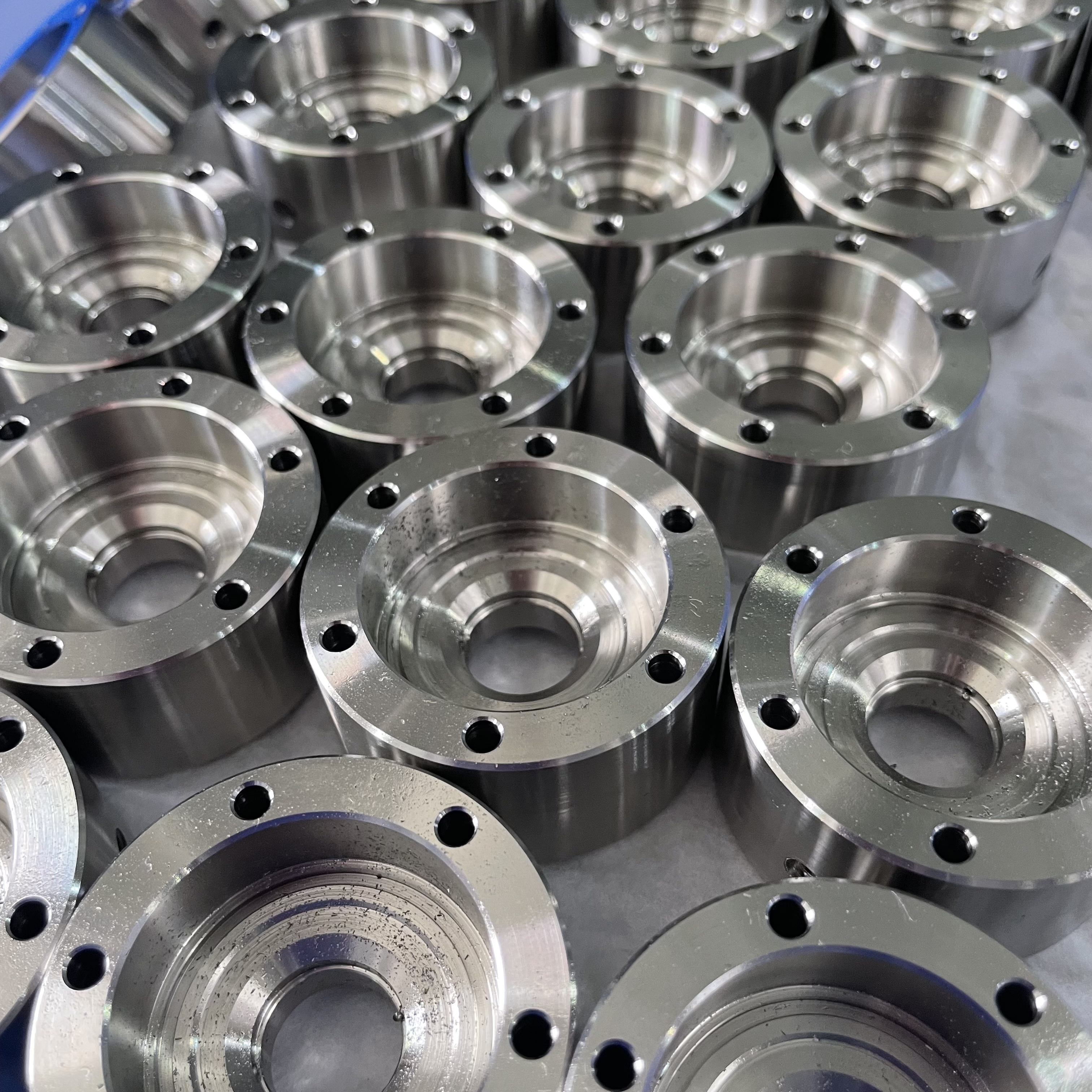
Your prototype holds unparalleled significance, and we deeply value its uniqueness. Collaborating with you during the preparation phase for running your prototype or parts is a commitment we gladly embrace. Whether it's a single part or a complex assembly, we are dedicated to selecting the optimal tools and pathways to bring your envisioned product to life.
At Precision Fab CNC Machining, we specialize in producing parts for prototypes, short runs, and high-volume production. Our prototyping machine capabilities extend across metal, plastic, and wood machining, with welding fabrication services available to complement and finalize your prototype if required.
Address
Address: Room320 10F, Building A,Nanshan international building, Dayawan District, Huizhou, Guangdong, 516001 China
Contacts
billy@timaycnc.com