Understanding the CNC Machining Process: From Design to Production

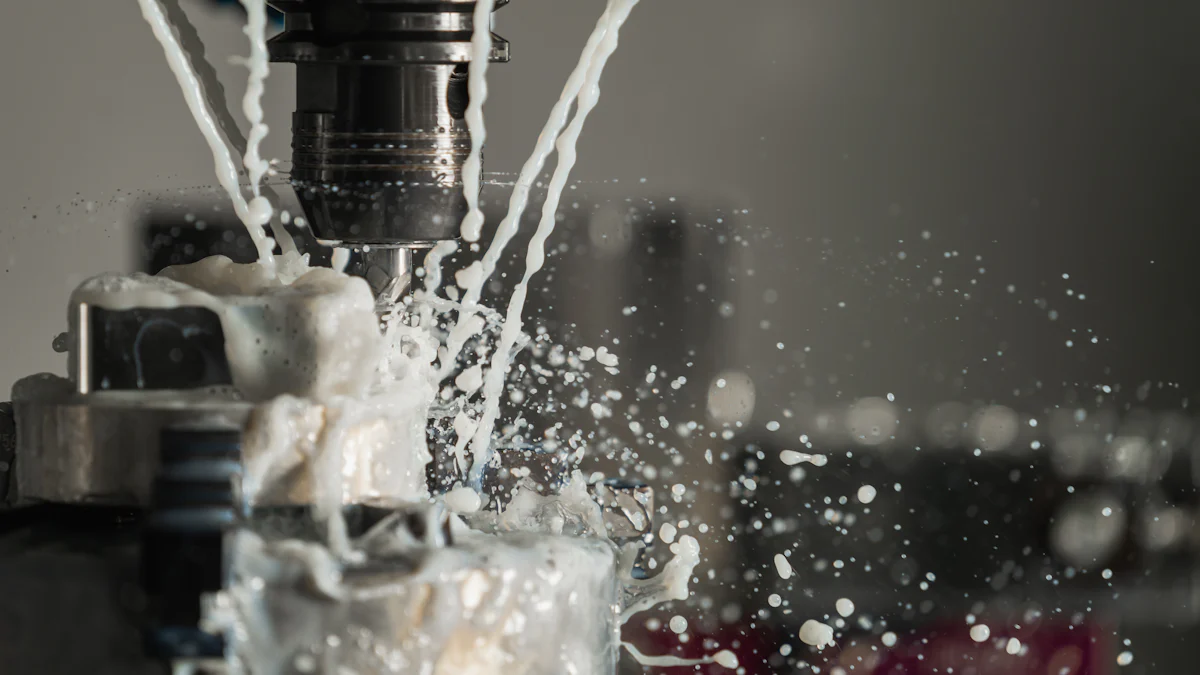
CNC machining is a subtractive manufacturing process that uses computerized controls to shape materials into precise parts. This technology has revolutionized modern manufacturing by enhancing accuracy and efficiency. Industries like automotive, defense, and medical rely on CNC systems to meet high production demands.
You benefit from CNC's ability to bridge design and production workflows. It automates tool control, enabling rapid prototyping and seamless design adjustments. This process improves product quality while reducing time to market. With advancements like AI integration, CNC machining continues to evolve, offering smarter and more flexible manufacturing solutions.
Statistic/Trend | Value/Description |
|---|---|
Projected CNC machine market value | Expected to reach $129 billion by 2026 |
Automation impact on global GDP | Estimated 5.3% boost by 2030 with 30% more automation |
Demand sectors for CNC machining | Automotive, defense, medical, aviation |
Key Takeaways
CNC machining uses machines to make parts faster and better. It helps create prototypes quickly and gets products ready to sell sooner.
Knowing about CNC machines, like milling machines and lathes, helps you pick the right one for your project.
Designing parts with simple shapes makes them easier to make and lowers costs.
Testing designs with computer tools before machining finds mistakes and improves cutting paths. This saves time and reduces wasted materials.
What is CNC Machining?
CNC machining, short for computer numerical control machining, is a subtractive manufacturing process. It uses automated tools to remove material from a workpiece, shaping it into a precise part. Unlike additive manufacturing, which builds parts layer by layer, CNC machining carves out features by cutting away material. This method is ideal for achieving high precision and repeatability in industries like aerospace, automotive, and medical.
Definition and Core Principles
CNC machining operates on a few fundamental principles:
It automates the control of machines such as mills, lathes, and grinders.
Pre-programmed software directs intricate movements, eliminating the need for manual operation.
The process involves removing material from a workpiece based on instructions from a CAD model.
Operations like turning, drilling, and milling shape the part according to the design.
This automation ensures consistent quality, faster production, and reduced human error.
Key Components of a CNC Machine
A CNC machine consists of several essential components that work together to execute machining tasks. Each part plays a specific role in ensuring precision and efficiency.
Component | Function |
|---|---|
Control panel | Interface for user input and control of the CNC machine. |
Input device | Loads CNC programs into the machine (e.g., keyboard, USB, wireless). |
Machine Control Unit | Processes input commands and translates them into machine instructions. |
Feedback system | Monitors position and speed of the cutting tool, allowing for real-time adjustments. |
Driving system | Moves the workpiece relative to the machine tool using lead screws and motors. |
Machine tool | Removes material from the workpiece to shape it into the desired part. |
Headstock | Holds the workpiece securely during machining. |
Chuck | Resists forces applied by the machine tool on the workpiece. |
Spindle | Rotates the cutting tool for machining operations. |
Tool turret | Allows for automatic tool changes during machining. |
Tailstock | Supports long workpieces to minimize deflection. |
Machine bed | Provides structural support for the entire CNC machine. |
Coolant tank | Supplies coolant to prevent overheating during machining. |
Types of CNC Machines
You can choose from various types of CNC machines, each designed for specific tasks. Understanding their differences helps you select the right machine for your project.
Milling Machines: These machines use high-speed rotating cutting tools to remove material. They are versatile and handle tasks like drilling, slotting, and contouring.
Lathes: Lathes rotate the workpiece while stationary cutting tools shape it. They are ideal for creating cylindrical parts like shafts and bushings.
Multi-Axis CNC Machines: These advanced machines move in four or more directions, enabling the production of complex parts. They are perfect for intricate designs requiring high precision.
By understanding these types of CNC machines, you can better match your machining needs to the right equipment.
The CNC Machining Process

Designing the Part
CAD Software and 3D Modeling
The CNC machining process begins with designing the part using CAD software. CAD, or computer-aided design, allows you to create precise 2D or 3D models of your product design. These models serve as the blueprint for machining. You can visualize the part's geometry, dimensions, and features before moving to production. CAD tools also let you make quick adjustments, ensuring the design aligns with your requirements.
To design effectively, follow these steps:
Understand the CNC process and its limitations.
Select materials that suit your design.
Plan tool paths to achieve the desired results.
Optimize paths for efficiency by considering feed rate and velocity.
Design for Manufacturing (DFM) Considerations
Incorporating DFM principles ensures your product design is practical for CNC machining. Choose a manufacturing process that matches the material and complexity of your design. DFM analysis helps you identify potential issues early. For example, adding fillets to corners accommodates tool radii, improving manufacturability.
You should also:
Ensure the part can be clamped securely.
Simplify workholding setups by modifying geometry.
Increase fillet radii to reduce machining time and costs.
CNC Machine Programming
CAM Software and Toolpath Generation
CAM, or computer-aided manufacturing, translates CAD models into instructions for CNC machines. CAM software generates toolpaths, which guide the cutting tools during machining. It analyzes the 3D CAD model to determine the most efficient machining methods.
Using simulation software, you can simulate the machining process virtually. This helps detect and resolve potential issues early, saving time and reducing costs.
CAM software also integrates with tools like Autodesk Fusion to streamline setup and toolpath generation. Automation in CAM reduces repetitive tasks, making CNC machine programming more efficient.
Writing and Optimizing G-Code
G-Code is the language CNC machines use to execute commands. Writing and optimizing G-Code ensures the machine operates accurately. You can adjust parameters like feed rate and spindle speed to enhance precision. Proper programming minimizes errors, reduces scrap, and ensures consistent results.
Machine Setup
Tool Selection and Installation
Selecting the right tools is critical for achieving precision in CNC machining. High-quality tools improve efficiency and accuracy. Install the tools securely to prevent movement during machining. Proper installation reduces wear and ensures smooth operation.
Workpiece Fixturing and Alignment
Securing the workpiece is essential for accurate machining. Align the workpiece properly and establish the origin point. Use clamps or fixtures to hold it in place. Running initial tests helps verify alignment and detect setup errors. This step ensures the CNC machine performs as expected during production.
Machining Operations
Material Removal and Cutting Techniques
The cnc machining process relies on precise material removal techniques to shape parts. You can use various operations depending on the design and requirements of your project:
CNC Drilling: This operation uses a rotating cutting tool to create cylindrical holes in a stationary workpiece. It is ideal for tasks like creating bolt holes or threaded inserts.
CNC Milling: The most common machining operation. It involves a cutting tool that removes material from a workpiece to create flat surfaces, slots, or intricate contours.
CNC Turning: This technique rotates the workpiece while feeding it to a stationary cutting tool. It works best for producing cylindrical parts like shafts or bushings.
Each operation ensures precision and efficiency, making cnc machining suitable for complex designs. Selecting the right cutting technique depends on the material, geometry, and desired finish of your part.
Monitoring and Adjustments During Machining
During the cnc machining process, monitoring ensures consistent quality. You should observe tool wear, cutting speed, and material removal rates. Adjustments may be necessary to maintain precision. For example, if you notice tool wear, replacing or sharpening the tool prevents defects. Real-time monitoring systems can help you detect issues early, reducing waste and improving efficiency.
Quality Assurance
Inspection and Measurement
Quality assurance is a critical step in cnc machining. You can use in-process inspection to monitor dimensions, tolerances, and surface finishes during machining. This ensures the part meets specifications at every stage. Statistical Process Control (SPC) techniques help you track variations and maintain consistency. Final inspection involves a thorough evaluation of the finished part to confirm it meets all quality standards.
Surface Finishing and Post-Processing
After machining, surface finishing enhances the appearance and functionality of your part. Techniques like polishing, anodizing, or coating improve durability and aesthetics. Non-Destructive Testing (NDT) methods can detect hidden defects without damaging the part. Proper post-processing ensures your product is ready for use or assembly, meeting both functional and quality requirements.
Advantages of the CNC Machining Process
High Precision and Accuracy
CNC machining stands out for its ability to deliver exceptional precision and accuracy. You can rely on this process to produce parts that consistently match design specifications. This ensures components fit perfectly into their intended applications, reducing the risk of equipment damage. CNC precision machining allows you to create multiple replicas of a part with unmatched consistency, which is difficult to achieve with manual methods.
Accuracy refers to how closely a part's dimensions align with the intended measurements, while precision ensures the process consistently delivers the same results. CNC machines excel in both areas, enabling you to execute complex operations with remarkable precision. Whether you're manufacturing intricate aerospace components or medical devices, CNC machining guarantees the reliability and quality you need.
Efficiency and Scalability
CNC machining enhances efficiency by automating the manufacturing process. These machines operate continuously without breaks, allowing you to meet tight deadlines and high production demands. Automation also increases manufacturing speed and ensures consistent quality, making CNC manufacturing ideal for industries requiring large-scale production.
You can adapt CNC machining for both small and large production runs. This flexibility allows you to meet specific client requirements without compromising efficiency. Additionally, CNC machines can run 24/7, scaling production output without the need for proportional increases in labor. This capability makes CNC machining a cost-effective solution for businesses aiming to grow while maintaining high standards.
Flexibility in Handling Complex Designs
CNC machining offers unparalleled flexibility when working with complex designs. Advanced machines, such as 5-axis CNC systems, allow you to machine intricate geometries by moving the cutting tool in five directions simultaneously. This capability enables you to access hard-to-reach areas and produce parts with complex shapes more efficiently.
Traditional methods often limit what you can achieve due to operator skill or machine constraints. In contrast, CNC machining supports the creation of designs that would be impossible with manual controls. You can also produce a wide range of parts without requiring extensive tool changes, streamlining the manufacturing process. This flexibility makes CNC machining a preferred choice for industries like aerospace, automotive, and medical, where innovation and precision are critical.
Cost-Effectiveness for Prototyping and Production
CNC machining offers a cost-effective solution for both prototyping and production. Its ability to streamline processes and reduce waste makes it an ideal choice for manufacturers seeking efficiency. You can achieve significant savings by leveraging the unique advantages of CNC systems.
For prototyping, CNC machining excels due to its rapid production capabilities. Softer metals like Aluminum 6061 are highly machinable, making them a cost-effective option for prototypes. These materials allow for faster machining, which reduces overall costs. Additionally, CNC machines enable quick design iterations. This feature helps you refine your product without lengthy delays, cutting down time to market.
When scaling up to production, CNC machining continues to deliver cost benefits. Producing parts in batches takes advantage of economies of scale. As you increase production volume, the cost per unit decreases. Simplifying part designs further reduces machining steps, saving time and money. For example, removing drafts in die-cast designs or minimizing surfacing requirements can significantly lower machining costs.
CNC systems also improve efficiency by reducing material waste and energy consumption. Shorter machining times offset higher material costs, especially for larger production runs. By optimizing tool paths and machining strategies, you can maximize output while keeping expenses low.
To enhance cost-effectiveness, focus on batch production and design optimization. These strategies ensure you get the most value from CNC machining, whether you're creating a single prototype or manufacturing thousands of parts.
💡 Tip: Simplify your designs and choose machinable materials to minimize costs while maintaining quality.
Materials and Techniques in CNC Machining

Commonly Used Materials
Metals (e.g., Aluminum, Steel, Titanium)
Metals are among the most popular materials in cnc machining due to their strength and versatility. Aluminum, for instance, offers a great strength-to-weight ratio and resists corrosion, making it ideal for aerospace and automotive applications. Aluminum 6061 is economical and easy to machine, while Aluminum 7075 provides higher strength for demanding uses. Titanium is another excellent choice for its toughness and corrosion resistance, though it can be challenging to machine. Brass, known for its machinability and anti-bacterial properties, is perfect for components like fittings and valves. Magnesium AZ31, which is lighter than aluminum, is also used for lightweight parts but requires careful handling due to its flammability in powder form.
Plastics (e.g., ABS, Nylon, PEEK)
Plastics provide flexibility and cost-effectiveness in cnc machining. ABS is a common choice for rapid prototyping because of its toughness and impact resistance. Nylon offers high tensile strength and self-lubricating properties, making it suitable for gears and bearings. PEEK, a high-performance plastic, withstands extreme temperatures and is used in advanced applications like medical implants and aerospace components. Other options, such as PMMA (acrylic), are valued for their transparency and scratch resistance.
CNC Machining Techniques
Milling and Turning
Milling and turning are fundamental cnc machining techniques. Milling involves rotating cutting tools to remove material from a stationary workpiece, allowing you to create flat surfaces, slots, and intricate contours. Turning, on the other hand, rotates the workpiece while a stationary tool shapes it. This method is ideal for producing cylindrical parts like shafts and bushings.
Drilling, Tapping, and Threading
Drilling creates precise holes in a workpiece, often used for bolt holes or inserts. Tapping adds internal threads to these holes, while threading forms external threads on cylindrical parts. These techniques ensure tight tolerances and are essential for components requiring assembly.
Multi-Axis Machining for Complex Parts
Multi-axis machining uses advanced cnc machines capable of moving in four or more directions simultaneously. This technique allows you to produce intricate geometries and access hard-to-reach areas. It is especially useful for aerospace and medical parts where precision and complexity are critical.
💡 Tip: Choose materials and techniques based on your project's requirements to achieve the best results in cnc machining.
Best Practices for CNC Machining
Simplify and Optimize Part Design
Simplifying your part design is one of the most effective ways to improve cnc machining efficiency. By reducing unnecessary complexity, you can minimize tool changes and setups, which saves time and reduces costs. For example, incorporating fillets or radii in internal corners prevents machining difficulties and extends tool life. Ensuring adequate wall thickness also helps avoid structural weaknesses during machining.
You should also consider tool access when designing parts. Poor access can lead to complications, increasing machining time and costs. Multi-axis cnc machines can handle complex geometries, but optimizing your design for manufacturability ensures smoother production. Batch manufacturing is another strategy to maximize efficiency. Producing parts in batches reduces setup time and improves overall productivity.
💡 Tip: Leverage high-speed machining techniques to enhance productivity and achieve better surface finishes.
Select Appropriate Materials and Tools
Choosing the right materials and tools is crucial for achieving the best results in cnc machining. The material you select directly impacts machinability, surface finish, and the part's performance. For instance, softer metals like aluminum are easier to machine and ideal for prototypes, while tougher materials like titanium are better suited for high-stress applications.
When selecting materials, think about how the part will be used. Will it face outdoor conditions or heavy loads? Ensure the material can resist deformation and meet the required stress loads. Similarly, using high-quality cutting tools improves precision and reduces wear, ensuring consistent results throughout the machining process.
💡 Note: Understanding material properties helps you make informed decisions and avoid costly errors.
Minimize Tool Changes and Setup Time
Reducing tool changes and setup time is essential for efficient cnc machining. Start by organizing parts into families with similar features. This reduces the need for frequent reconfiguration. Documenting and standardizing procedures also streamlines the process, making it easier to replicate setups.
Using zero-point workholding systems can significantly cut down setup times. These systems allow you to switch between fixtures and parts quickly, often in seconds. Additionally, staging supplies and using digital work instructions eliminate internal downtime, keeping your machining operations running smoothly.
💡 Tip: Regularly calibrate your cnc machines to maintain accuracy and minimize setup errors.
Leverage Simulation Tools for Error Reduction
Simulation tools play a vital role in improving the accuracy and efficiency of cnc machining. These tools allow you to test and refine your machining programs in a virtual environment before running them on actual machines. By leveraging simulations, you can identify and resolve potential issues early, saving time and resources.
One of the key benefits of simulation tools is their ability to detect programming errors. The software analyzes your CNC programs and highlights mistakes that could lead to defects or inefficiencies. This ensures your machining process runs smoothly and produces high-quality parts. Simulations also help you verify and optimize toolpaths. This step increases precision and reduces the risk of errors during machining.
Collision detection is another critical feature of simulation tools. The virtual environment identifies potential collisions between the cutting tool, workpiece, or machine components. You can adjust your G-code to prevent these issues, avoiding costly machine damage and downtime. This proactive approach enhances safety and protects your equipment.
Using simulation tools also improves productivity. Testing your programs virtually reduces setup time and streamlines your workflow. You can experiment with different machining strategies without interrupting production. This flexibility allows you to refine your processes and achieve better results.
Cost savings are another advantage of simulations. Early detection of errors prevents material waste and reduces the need for rework. By minimizing risks and optimizing operations, you can lower overall production costs while maintaining high standards.
Incorporating simulation tools into your cnc machining workflow ensures greater accuracy, safety, and efficiency. These tools empower you to make informed decisions and deliver exceptional results.
Challenges and Solutions in CNC Machining
Common Challenges
High Initial Investment Costs
CNC machining requires a significant upfront investment. Machines, software, and tooling can strain budgets, especially for small businesses. Advanced CNC systems, such as multi-axis machines, often come with higher costs. Additionally, maintaining these machines and purchasing spare parts can further increase expenses.
Material and Design Limitations
Not all materials are suitable for CNC machining. Tougher materials, like titanium, can be challenging to machine and may require specialized tools. Similarly, complex designs with intricate geometries may push the limits of standard CNC machines. These limitations can restrict your ability to achieve desired results efficiently.
Programming and Setup Errors
Programming errors can lead to incorrect tool paths or feed rates, causing material waste and production delays. Poorly written G-code may also result in tool collisions or defects in the final part. Setup errors, such as improper workpiece alignment, can compromise precision and quality. These issues often disrupt the manufacturing process and increase costs.
Solutions and Mitigation Strategies
Training and Skill Development
Investing in continuous training for operators and programmers is essential. Regular sessions on the latest CNC technologies and programming techniques help reduce errors and improve efficiency. For example, teaching operators to optimize toolpaths ensures smoother machining operations. Empowering your team with knowledge enhances productivity and minimizes downtime.
Solution | Description |
|---|---|
Continuous Training | Regular training sessions for CNC programmers on the latest technologies and programming techniques can reduce errors and increase efficiency. |
Simulation | Running simulations before actual machining helps identify potential errors and perfect the program without risking material waste. |
Regular Maintenance and Calibration
Routine maintenance ensures your CNC machines operate at peak performance. Inspecting for wear and tear helps you identify potential issues early. Regular calibration ensures precise machining results, while proper lubrication and cleaning prevent damage. These practices reduce downtime and extend the lifespan of your equipment.
Check for tool wear to maintain consistent quality.
Calibrate machine components to ensure accuracy.
Clean and lubricate moving parts to prevent malfunctions.
Using Advanced Software for Simulation and Optimization
Simulation tools allow you to test machining programs in a virtual environment. These tools detect programming errors, optimize toolpaths, and prevent collisions. By addressing issues before production, you save time and reduce material waste. Advanced software also enhances precision by refining machining strategies, ensuring high-quality results.
💡 Tip: Use simulation tools to verify your programs and avoid costly mistakes during production.
The CNC machining process bridges the gap between design and production, offering unmatched precision and efficiency. You can rely on it to produce complex parts with consistent quality, making it a cornerstone of modern manufacturing. Its ability to handle intricate geometries and scale production ensures flexibility for various industries.
Emerging trends are shaping the future of CNC machining. Automation and robotics streamline operations, while Industry 4.0 technologies like IoT and big data analytics enhance precision. AI optimizes production by enabling predictive maintenance and real-time analysis. Advancements in multi-axis machining further improve quality control and reduce errors. These innovations promise a smarter, more sustainable future for CNC manufacturing.
FAQ
What is CNC machining, and how does it work?
CNC machining is a subtractive manufacturing process. It uses computer-controlled tools to remove material from a workpiece. You start with a design, program the machine, and let it shape the material into the desired part with precision.
How does CNC differ from traditional machining?
CNC automates the fabrication process, unlike traditional machining, which relies on manual operation. You get higher precision, faster production, and consistent results. CNC also handles complex designs that are difficult to achieve manually.
What materials can you use in CNC fabrication?
You can use metals like aluminum, steel, and titanium or plastics like ABS, nylon, and PEEK. The material choice depends on your project’s requirements, such as strength, weight, or heat resistance.
Why is CNC machining cost-effective for prototyping?
CNC machining allows rapid production of prototypes with minimal waste. You can quickly test and refine designs without long delays. Softer materials like aluminum make the process faster and more affordable.
What industries benefit most from CNC fabrication?
Industries like aerospace, automotive, and medical rely heavily on CNC fabrication. It ensures precision, scalability, and the ability to handle complex designs, making it ideal for high-performance applications.
See Also
A Deep Dive Into CNC Precision Machining Processes
A Comprehensive Guide to CNC Parts Production
Fundamentals of CNC Machining for Component Manufacturing
About US
Follow Us
Your prototype holds unparalleled significance, and we deeply value its uniqueness. Collaborating with you during the preparation phase for running your prototype or parts is a commitment we gladly embrace. Whether it's a single part or a complex assembly, we are dedicated to selecting the optimal tools and pathways to bring your envisioned product to life.
At Precision Fab CNC Machining, we specialize in producing parts for prototypes, short runs, and high-volume production. Our prototyping machine capabilities extend across metal, plastic, and wood machining, with welding fabrication services available to complement and finalize your prototype if required.
Address
Address: Room320 10F, Building A,Nanshan international building, Dayawan District, Huizhou, Guangdong, 516001 China
Contacts
billy@timaycnc.com