Understanding the Differences Between Wrought and Cast Aluminum

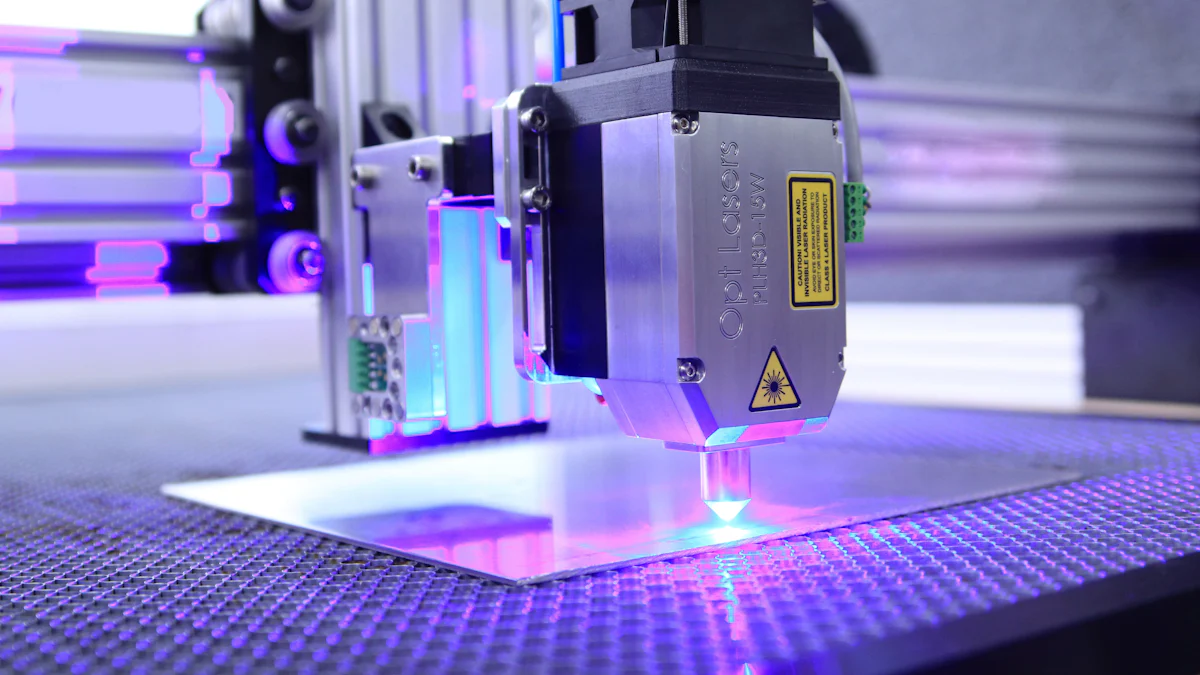
Aluminum plays a vital role in modern industries due to its versatility, especially in processes like CNC Machining. Wrought aluminum and cast aluminum are two primary forms of this metal, each with unique characteristics. Wrought aluminum is shaped by mechanically deforming solid metal, while cast aluminum is created by pouring molten metal into molds. These processes result in distinct properties. Wrought aluminum offers superior strength and ductility, whereas cast aluminum is ideal for producing intricate shapes at a lower cost, making it suitable for various CNC Machining applications.
Understanding the differences between cast versus wrought aluminum helps you make informed choices. With the aluminum market projected to grow from $688.45 billion in 2021 to $1,107.63 billion by 2026, selecting the right material ensures better performance and cost-efficiency for your projects. Whether you prioritize strength, machinability, or affordability, knowing these distinctions is essential, particularly in the context of CNC Machining.
Key Takeaways
Wrought aluminum is tougher and lasts longer than cast aluminum. It works well for heavy-duty uses.
Cast aluminum is cheaper and great for making detailed shapes. It is perfect for fancy designs.
Wrought aluminum is easier to cut and shape neatly. It gives smooth results in machine work.
Both types of aluminum can be recycled. Recycling wrought aluminum is harder because of different alloys.
Picking wrought or cast aluminum depends on what your project needs, like strength, design, or price.
Definitions and Manufacturing Processes
What Is Wrought Aluminum?
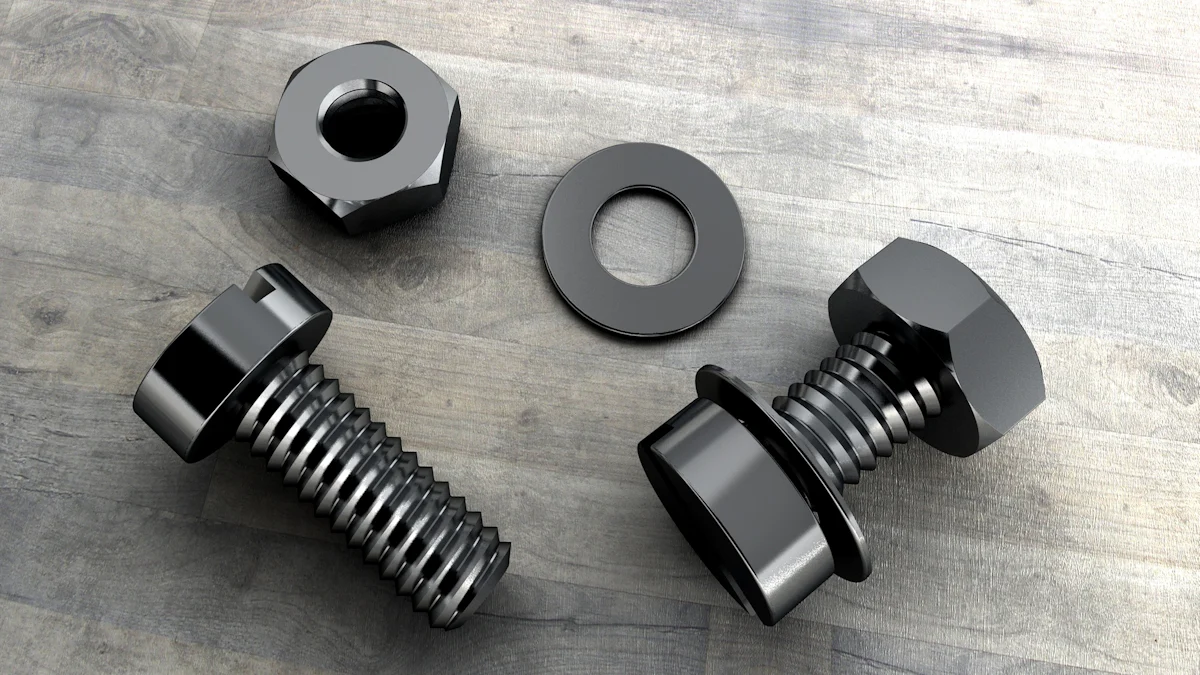
Wrought aluminum refers to aluminum that has been mechanically worked into a specific shape. This process involves rolling, forging, or extruding the metal to achieve the desired form. Unlike cast aluminum, wrought aluminum starts as a solid piece of metal. Its structure becomes more refined during the working process, which enhances its strength and ductility. You often encounter wrought aluminum in applications requiring high durability, such as aerospace components or structural materials.
What Is Cast Aluminum?
Cast aluminum is created by melting aluminum and pouring it into molds. This method allows for the production of complex shapes that would be difficult to achieve with other techniques. Cast aluminum is widely used in industries like automotive and construction due to its ability to form intricate designs at a lower cost. Its versatility makes it ideal for producing parts like engine blocks, housings, and decorative items.
Manufacturing Process of Wrought Aluminum
The manufacturing process of wrought aluminum begins with the extraction of aluminum from bauxite ore. After refining the ore into alumina, the Hall-Héroult process smelts it into aluminum metal. The metal is then formed into ingots or billets, which undergo mechanical deformation. Rolling, forging, or extrusion shapes the aluminum into sheets, rods, or other forms. This process improves the metal's grain structure, resulting in enhanced strength and flexibility. Wrought aluminum is often compared to wrought iron due to its similar working methods, though the materials differ significantly in properties.
Manufacturing Process of Cast Aluminum
The casting process for cast aluminum begins with melting aluminum into a liquid state. This step allows you to shape the metal into intricate designs that would be impossible with other methods. Manufacturers typically use furnaces to heat the aluminum until it reaches its melting point. Once molten, the aluminum is poured into pre-designed molds. These molds determine the final shape of the cast parts.
You can choose from several casting methods depending on your project needs. Sand casting is one of the most common methods. It involves creating a mold from sand, which is both cost-effective and reusable. Die casting, on the other hand, uses high-pressure techniques to inject molten aluminum into steel molds. This method produces precise and durable cast parts. Another option is investment casting, which uses wax patterns to create detailed molds.
After the aluminum cools and solidifies, the mold is removed. The cast parts then undergo finishing processes like trimming, polishing, or machining to achieve the desired specifications. The casting process ensures that cast aluminum retains its lightweight properties while offering excellent versatility.
This method is ideal for producing complex shapes at a lower cost. You’ll find cast aluminum used in automotive components, machinery, and decorative items. Its ability to form intricate designs makes it a popular choice across industries.
Tip: Understanding the casting process helps you select the right method for your project, ensuring efficiency and cost-effectiveness.
Key Properties of Aluminum Alloys
Strength and Durability
When it comes to strength, aluminum alloys exhibit significant differences between wrought and cast forms. Wrought aluminum alloys offer higher tensile strength, often reaching up to 700 MPa (101,500 psi) or more. In contrast, cast aluminum typically ranges between 100 and 300 MPa (14,500 to 43,500 psi). This makes wrought materials more suitable for applications requiring high durability.
Wrought aluminum also excels in fatigue resistance. Its uniform structure, achieved through mechanical working, minimizes defects like porosity. This ensures better performance under repeated stress. Cast aluminum, on the other hand, is prone to internal defects, which can weaken its durability. For projects demanding reliability and strength, wrought materials are often the better choice.
Weight and Density
Both wrought and cast aluminum share the same density of 2.7 g/cm³. This lightweight property makes aluminum alloys ideal for industries like aerospace and automotive, where reducing weight is crucial.
Material Type | Density (g/cm³) |
|---|---|
Wrought Aluminum | 2.7 |
Cast Aluminum | 2.7 |
Despite having the same density, the manufacturing process influences how these materials perform in weight-sensitive applications. Wrought aluminum, with its refined structure, often provides better strength-to-weight ratios compared to cast aluminum.
Corrosion Resistance
The corrosion resistance of aluminum alloys varies depending on the alloy series and environmental conditions. Wrought aluminum alloys generally offer better resistance due to their uniform composition. For example, 1xxx and 3xxx series alloys exhibit very high resistance, while 5xxx series alloys perform well in marine environments.
Alloy Series | Corrosion Resistance Level | Notes |
|---|---|---|
1xxx Wrought Alloys | Very High | Resistance decreases slightly with alloy content. |
2xxx Wrought Alloys | Lower | High copper content reduces resistance. |
3xxx Wrought Alloys | Very High | Manganese enhances resistance. |
5xxx Wrought Alloys | High | Suitable for seawater exposure. |
6xxx Wrought Alloys | Moderately High | Good for structural applications. |
7xxx Wrought Alloys | Good | Copper-containing alloys have lower resistance. |
Cast aluminum's corrosion resistance depends on the specific alloy and casting method. However, it generally falls short of wrought aluminum due to potential defects like porosity. For environments with high moisture or salt exposure, wrought materials often provide better long-term performance.
Machinability and CNC Machining
Machinability refers to how easily a material can be cut, shaped, or finished using tools. When working with aluminum, machinability plays a crucial role in determining its suitability for various projects. Both wrought and cast aluminum offer unique advantages in this area, but their machinability differs due to their manufacturing processes and material properties.
Wrought aluminum is known for its excellent machinability. Its refined grain structure allows you to achieve precise cuts and smooth finishes. This makes it a preferred choice for CNC machining, especially when accuracy is critical. You can use wrought aluminum for applications like aerospace components, where tight tolerances are essential. Additionally, its uniform composition reduces tool wear, saving time and costs during machining.
Cast aluminum, on the other hand, offers moderate machinability. Its softer structure makes it easier to cut, but internal defects like porosity can pose challenges. These imperfections may cause uneven surfaces or tool damage during CNC machining. However, cast aluminum excels in producing intricate shapes, which can reduce the need for extensive machining. For decorative items or complex parts, cast aluminum remains a practical option.
When choosing between wrought and cast aluminum for CNC machining, consider your project's requirements. If you need high precision and durability, wrought aluminum is the better choice. For projects involving complex designs or lower costs, cast aluminum may be more suitable. Understanding these differences ensures you select the right material for efficient and effective machining.
Tip: Always match your machining tools and techniques to the specific type of aluminum you are working with. This helps improve efficiency and extends the life of your tools.
Advantages and Disadvantages
Advantages of Wrought Aluminum
Wrought aluminum offers several benefits that make it a preferred choice for many applications. Its superior mechanical properties, including high strength, toughness, and fatigue resistance, ensure durability in demanding environments. The material’s high structural integrity, achieved through its uniform microstructure, minimizes defects and enhances performance. Additionally, its versatility in fabrication allows you to shape it through rolling, extrusion, or forging, making it suitable for custom components.
Advantage | Description |
|---|---|
Superior Mechanical Properties | High strength, toughness, and fatigue resistance suitable for durability. |
High Structural Integrity | Uniform microstructure ensures consistent performance and fewer defects. |
Versatility in Fabrication | Can be shaped through rolling, extrusion, and forging for custom components. |
These qualities make wrought aluminum an excellent choice for industries like aerospace and construction, where reliability and precision are crucial.
Disadvantages of Wrought Aluminum
Despite its advantages, wrought aluminum has some limitations. The manufacturing process is energy-intensive, leading to higher initial production costs. Tooling and dies required for shaping are expensive, which can increase overall expenses. Recycling wrought aluminum also presents challenges due to the varying compositions of its alloys. Advanced sorting and shredding technologies are often necessary to maintain quality during recycling.
Another drawback is its limited ability to form intricate shapes compared to cast aluminum. This restricts its use in applications requiring complex designs. Additionally, the longer lead times associated with its production can delay project timelines. While wrought aluminum excels in strength and durability, these disadvantages may influence your decision depending on your project’s requirements.
Advantages of Cast Aluminum
Cast aluminum provides unique benefits that make it a versatile material for industrial applications. It is cost-effective, allowing for mass production with minimal material waste. Its design flexibility enables the creation of complex shapes and intricate designs, which are difficult to achieve with wrought iron or wrought aluminum. The material is easy to machine, facilitating the production of precise components.
Cast aluminum is cost-effective, allowing for mass production with minimal material waste.
It offers design flexibility, enabling the creation of complex shapes and intricate designs.
The material is easy to machine, facilitating the production of precise components.
Cast aluminum is highly durable and can withstand demanding conditions.
Its recyclability supports environmental sustainability by conserving resources.
These advantages make cast aluminum ideal for automotive, machinery, and decorative applications. Its ability to balance affordability and functionality ensures its widespread use across industries.
Disadvantages of Cast Aluminum
While cast aluminum offers many benefits, it also comes with several drawbacks that you should consider before choosing it for your project. One major disadvantage is its lower strength compared to wrought aluminum. The casting process often introduces internal defects, such as porosity or voids, which weaken the material. These imperfections can reduce the overall durability of cast aluminum, making it less suitable for applications requiring high structural integrity.
Another limitation is its reduced corrosion resistance. Cast aluminum typically contains a higher percentage of alloying elements, which can make it more susceptible to corrosion in harsh environments. If your project involves exposure to moisture, salt, or chemicals, you may need to apply protective coatings or treatments to enhance its longevity. This adds extra time and cost to your production process.
Cast aluminum also has limited machinability compared to wrought materials. The softer structure of cast aluminum can lead to uneven surfaces during machining. Additionally, internal defects like porosity may cause tool wear or damage, increasing maintenance costs. If your project requires precise machining or tight tolerances, cast aluminum may not be the best choice.
Finally, cast aluminum lacks the flexibility of wrought aluminum when it comes to forming and shaping. Once cast, the material cannot be easily altered or reshaped. This rigidity can limit its use in applications where design changes or adjustments are necessary.
Understanding these disadvantages helps you make informed decisions. If your project demands high strength, corrosion resistance, or precise machining, you might want to consider wrought aluminum instead.
Applications of Wrought and Cast Aluminum
Common Uses of Wrought Aluminum
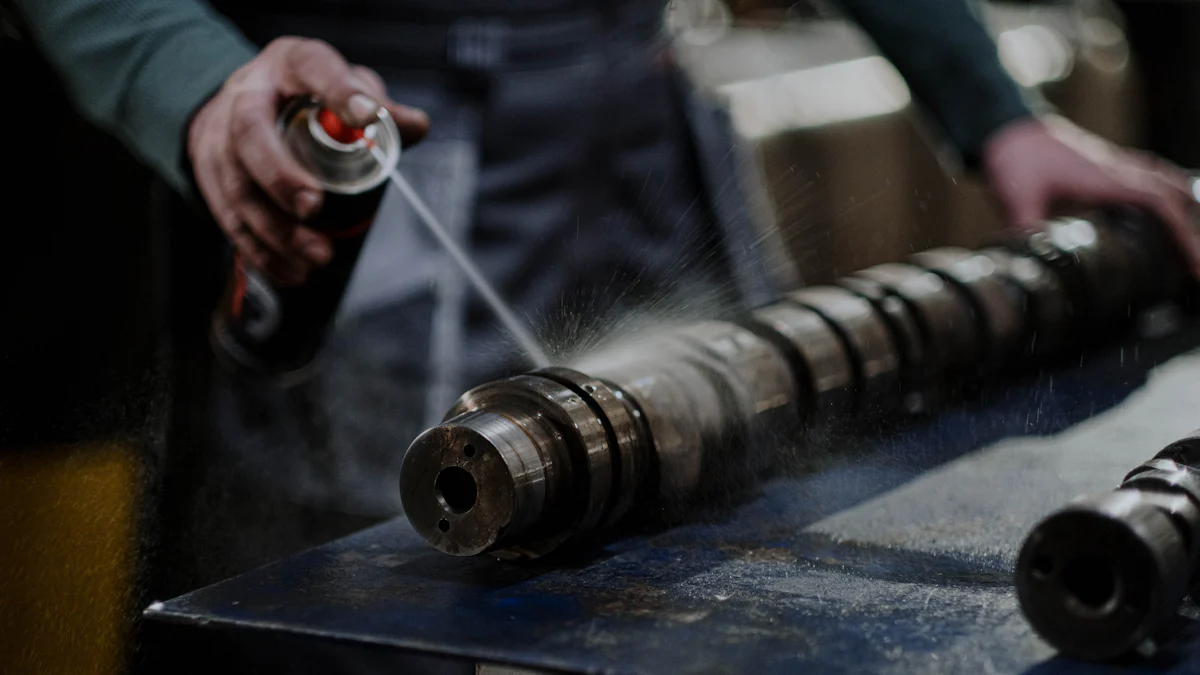
Wrought aluminum is widely used in construction and manufacturing due to its strength and versatility. You’ll often find it in:
Windows and Doors: Wrought aluminum is a popular choice for window frames, curtain walls, and doors. Its strength and corrosion resistance make it ideal for these applications.
Structural Frameworks: Lightweight yet strong, it is commonly used in construction frameworks.
Beams, Columns, and Facades: These elements benefit from its corrosion resistance and ease of fabrication.
In addition to construction, wrought aluminum plays a key role in aerospace and automotive industries. Its high strength-to-weight ratio makes it suitable for aircraft components and vehicle parts that require durability and precision.
Common Uses of Cast Aluminum
Cast aluminum excels in applications requiring intricate designs and cost efficiency. Its versatility makes it a go-to material for various industries:
Construction and Architecture: Used for architectural elements and structural components, cast aluminum offers aesthetic appeal and durability.
Marine Industry: Its high corrosion resistance makes it ideal for boat components.
Consumer Electronics: Excellent thermal conductivity makes it perfect for heat sinks and electronic enclosures.
Medical Industry: Prosthetics and surgical trays benefit from its strength and corrosion resistance.
Automotive Industry: Lightweight parts like engine blocks, brakes, and steering wheels improve fuel efficiency.
Culinary Industry: Durable cookware with excellent heat conduction is often made from cast aluminum.
Aircraft Industry: Lightweight components enhance fuel efficiency and performance.
Its ability to form complex shapes also makes cast aluminum a preferred material for decorative items and intricate machinery parts.
Industries That Use Wrought Aluminum
Wrought aluminum is essential in industries where strength, durability, and precision are critical. You’ll find it in:
Aerospace: Aircraft structures and components rely on its high strength-to-weight ratio.
Construction: Beams, columns, and frameworks benefit from its corrosion resistance and ease of fabrication.
Automotive: Vehicle parts like chassis and body panels use wrought aluminum for its lightweight and durable properties.
Manufacturing: Custom components and tools are often made from wrought aluminum due to its machinability.
Its versatility ensures its presence in industries requiring reliable and long-lasting materials.
Industries That Use Cast Aluminum
Cast aluminum plays a vital role in many industries due to its versatility and cost-effectiveness. Its ability to form intricate shapes and withstand demanding conditions makes it a preferred material for various applications.
Automotive Industry
You’ll find cast aluminum in many automotive components. Engine blocks, transmission housings, and wheels often rely on this material for its lightweight properties. These parts improve fuel efficiency and vehicle performance. Cast aluminum also helps reduce manufacturing costs, making it a practical choice for mass production.Construction and Architecture
Cast aluminum is widely used in construction for both functional and decorative purposes. Structural components like brackets and connectors benefit from its durability. Architectural elements such as railings, gates, and decorative panels showcase its ability to create intricate designs.Aerospace Industry
The aerospace sector values cast aluminum for its lightweight and durable nature. Components like housings, brackets, and fittings often use this material. Its ability to handle complex shapes ensures precision in aerospace applications.Consumer Goods
Many everyday items use cast aluminum. Cookware, furniture, and lighting fixtures benefit from its excellent heat conductivity and aesthetic appeal. Its recyclability also supports sustainable manufacturing practices.Electronics Industry
Cast aluminum is essential in electronics for its thermal conductivity. Heat sinks, enclosures, and other components rely on this material to manage heat effectively. Its ability to form detailed shapes ensures compatibility with modern electronic designs.
Note: Cast aluminum’s adaptability makes it a valuable material across industries. Its balance of affordability, durability, and design flexibility ensures its continued relevance in manufacturing.
Comparison Table of Wrought and Cast Aluminum
Summary of Key Differences
Understanding the differences between wrought and cast aluminum helps you choose the right material for your project. These two forms of aluminum differ significantly in strength, durability, machinability, and corrosion resistance.
Property | Wrought Aluminum | Cast Aluminum |
|---|---|---|
Tensile Strength | Higher (up to 700 MPa) | Lower (100 to 300 MPa) |
Fatigue Resistance | Better due to uniform structure | Lower due to internal defects |
Machinability | Superior due to uniform grain structure | Moderate, complicated by non-uniformity |
Corrosion Resistance | More uniform microstructure enhances resistance | Prone to corrosion due to impurities and micro-porosity |
Weight | Generally lighter due to manufacturing process | Can be heavier depending on casting method |
Wrought aluminum offers higher strength and fatigue resistance, making it ideal for demanding applications. Its uniform structure also ensures better machinability and corrosion resistance. Cast aluminum, while less durable, excels in forming intricate shapes and is more cost-effective for mass production.
Tip: If your project requires high strength or precision machining, wrought aluminum is the better choice. For complex designs or budget-friendly solutions, cast aluminum works well.
Quick Reference for Choosing the Right Material
When deciding between wrought and cast aluminum, consider these factors:
Mechanical Properties: Wrought aluminum provides better strength and fatigue resistance due to its solid-state processing. Cast aluminum may have internal defects like porosity, which can compromise reliability.
Surface Finishes: Wrought aluminum offers smoother surfaces, making it easier to machine and achieve high-quality finishes. Cast aluminum often has rougher surfaces due to the casting process.
Design Complexity: Cast aluminum excels in creating intricate shapes and complex designs. Wrought aluminum is less flexible in this regard but offers superior structural integrity.
Corrosion Resistance: Wrought aluminum resists corrosion better because of its uniform microstructure. Cast aluminum may require additional coatings to protect against moisture or salt exposure.
Repairability: Wrought aluminum is easier to repair due to its predictable properties. Cast aluminum can be more challenging to fix because of its internal defects.
Note: Always evaluate your project’s requirements, including strength, design complexity, and environmental conditions, before selecting a material. This ensures you achieve the best balance of performance and cost.
Understanding the differences between cast aluminum and wrought aluminum helps you make informed decisions for your projects. Cast aluminum excels in creating intricate shapes and is cost-effective for small batches. Wrought aluminum, with its superior strength and corrosion resistance, suits applications requiring durability. Consider factors like strength, machinability, and environmental exposure when choosing. For example, cast aluminum works well for automotive parts, while wrought aluminum is ideal for structural frameworks. Evaluate your project’s needs carefully to select the material that balances performance and cost effectively.
FAQ
What is the main difference between wrought aluminum and cast aluminum?
Wrought aluminum is mechanically worked into shape, offering higher strength and durability. Cast aluminum is melted and poured into molds, making it ideal for intricate designs. Your choice depends on whether you prioritize strength or design complexity.
Can you recycle both wrought and cast aluminum?
Yes, both types of aluminum are recyclable. Wrought aluminum recycling may require advanced sorting due to alloy variations. Cast aluminum recycling is simpler but may involve removing impurities. Recycling helps conserve resources and reduce waste.
Which type of aluminum is better for CNC machining?
Wrought aluminum performs better in CNC machining due to its uniform grain structure. It allows precise cuts and smooth finishes. Cast aluminum, while machinable, may have internal defects like porosity, which can complicate machining.
How do you choose between wrought and cast aluminum for a project?
Consider your project’s needs. Wrought aluminum suits applications requiring strength and durability. Cast aluminum works well for intricate designs and cost-effective production. Evaluate factors like strength, machinability, and design complexity before deciding.
Is cast aluminum suitable for outdoor use?
Cast aluminum can work outdoors but may require protective coatings to resist corrosion. Its corrosion resistance depends on the alloy and environmental conditions. For long-term exposure to moisture or salt, wrought aluminum offers better performance.
See Also
A Comprehensive Guide to Aluminum Alloy Characteristics
An In-Depth Look at Anodizing CNC Aluminum Heat Sinks
Benefits of Utilizing Aluminum CNC Machining Solutions
About US
Follow Us
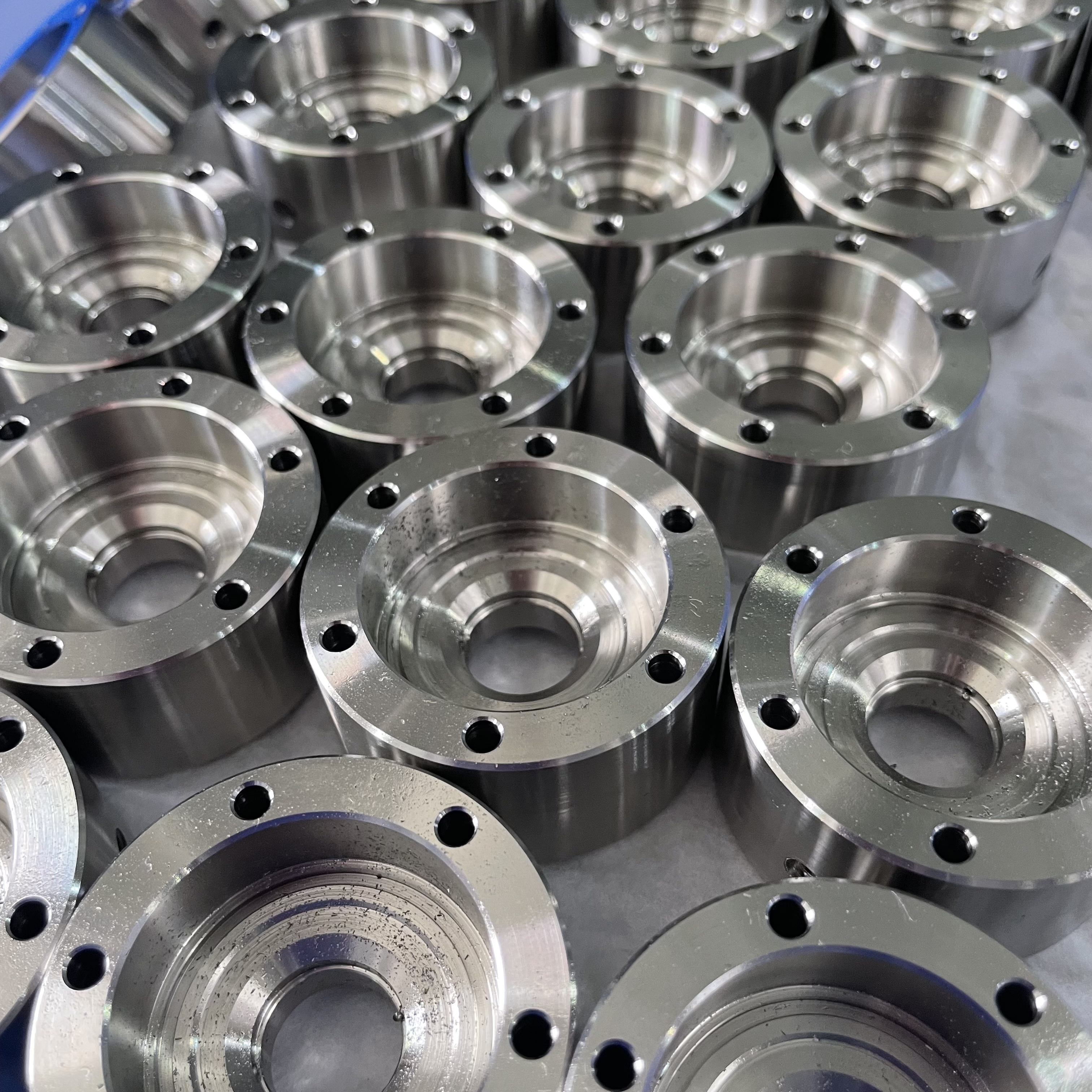
Your prototype holds unparalleled significance, and we deeply value its uniqueness. Collaborating with you during the preparation phase for running your prototype or parts is a commitment we gladly embrace. Whether it's a single part or a complex assembly, we are dedicated to selecting the optimal tools and pathways to bring your envisioned product to life.
At Precision Fab CNC Machining, we specialize in producing parts for prototypes, short runs, and high-volume production. Our prototyping machine capabilities extend across metal, plastic, and wood machining, with welding fabrication services available to complement and finalize your prototype if required.
Address
Address: Room320 10F, Building A,Nanshan international building, Dayawan District, Huizhou, Guangdong, 516001 China
Contacts
billy@timaycnc.com