Do You Know the Distinctions: CNC Lathe vs. CNC Milling?

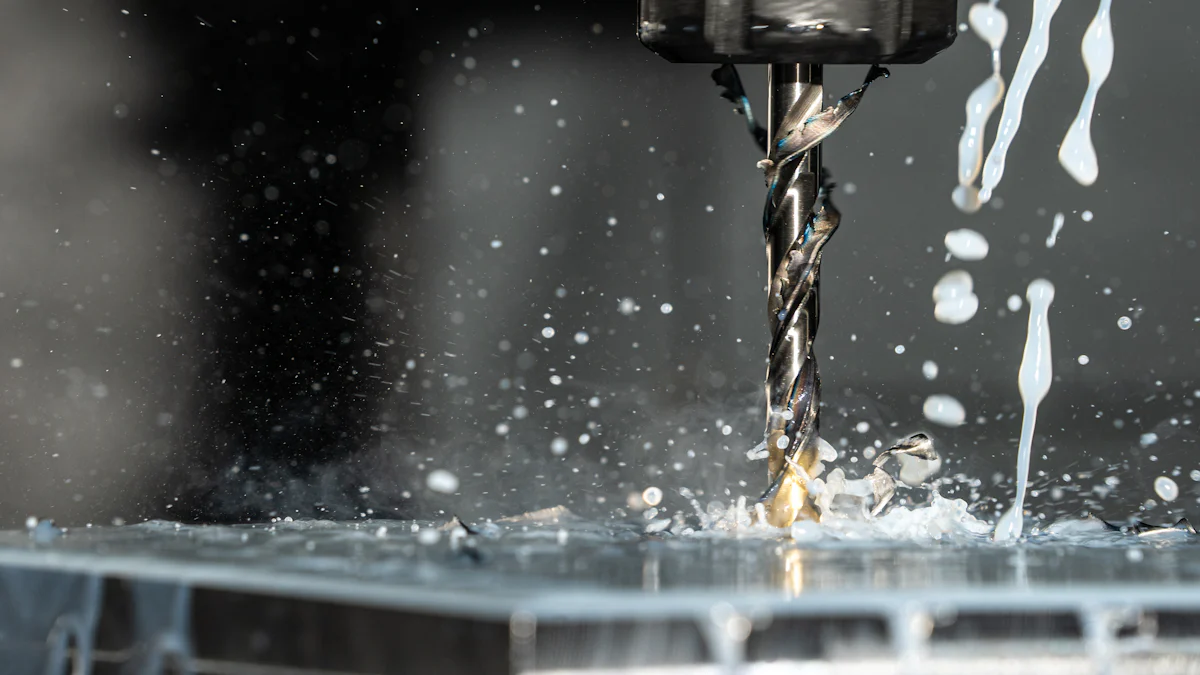
In the realm of manufacturing, CNC machines stand as technological marvels revolutionizing production processes. These automated tools play a pivotal role in shaping raw materials into intricate components with utmost precision. The blog aims to delve into the nuances between CNC lathe and CNC milling, shedding light on their distinct functionalities and applications within the industry.
CNC Lathe Basics
How CNC Lathes Work
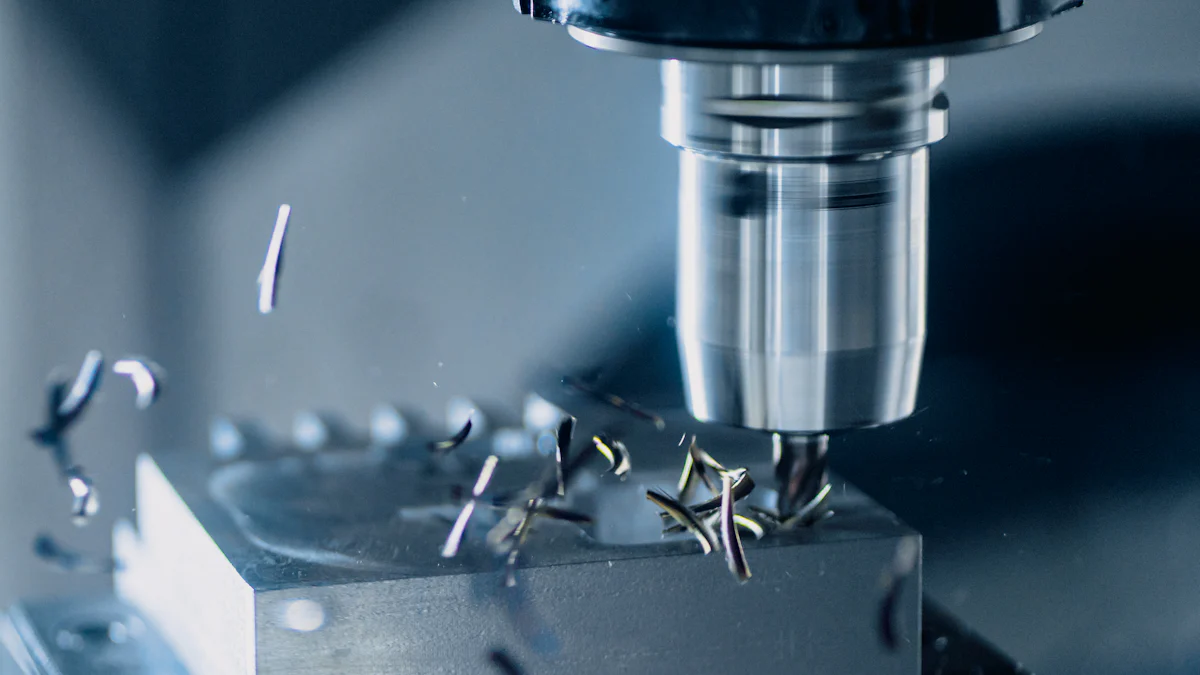
CNC lathes, also known as computerized lathes, are at the forefront of modern manufacturing. These versatile machines operate based on precise programming to shape raw materials effectively. The CNC lathe utilizes an XYZ axis and can rotate around the X-axis, enabling intricate cutting operations with unparalleled accuracy. As the workpiece rotates against cutting tools, a symphony of movements orchestrates the creation of intricate components.
Common Uses of CNC Lathes
The applications of CNC lathes span across various industries due to their efficiency and precision. Industries such as aerospace, automotive, and medical device manufacturing heavily rely on these machines for producing components with consistent quality. Moreover, CNC lathes play a crucial role in creating parts for everyday items like bolts, screws, and shafts. Their ability to swiftly generate uniform parts makes them indispensable in mass production scenarios.
Advantages of CNC Lathes
Embracing CNC lathe technology offers a myriad of advantages that elevate manufacturing processes to new heights. The precision achieved by these machines is unmatched, ensuring each component meets exact specifications consistently. Efficiency is another hallmark feature; CNC lathes can produce complex parts rapidly without compromising on quality. Furthermore, their versatility allows for a wide range of operations beyond turning, including drilling and reaming tasks.
CNC Milling Basics
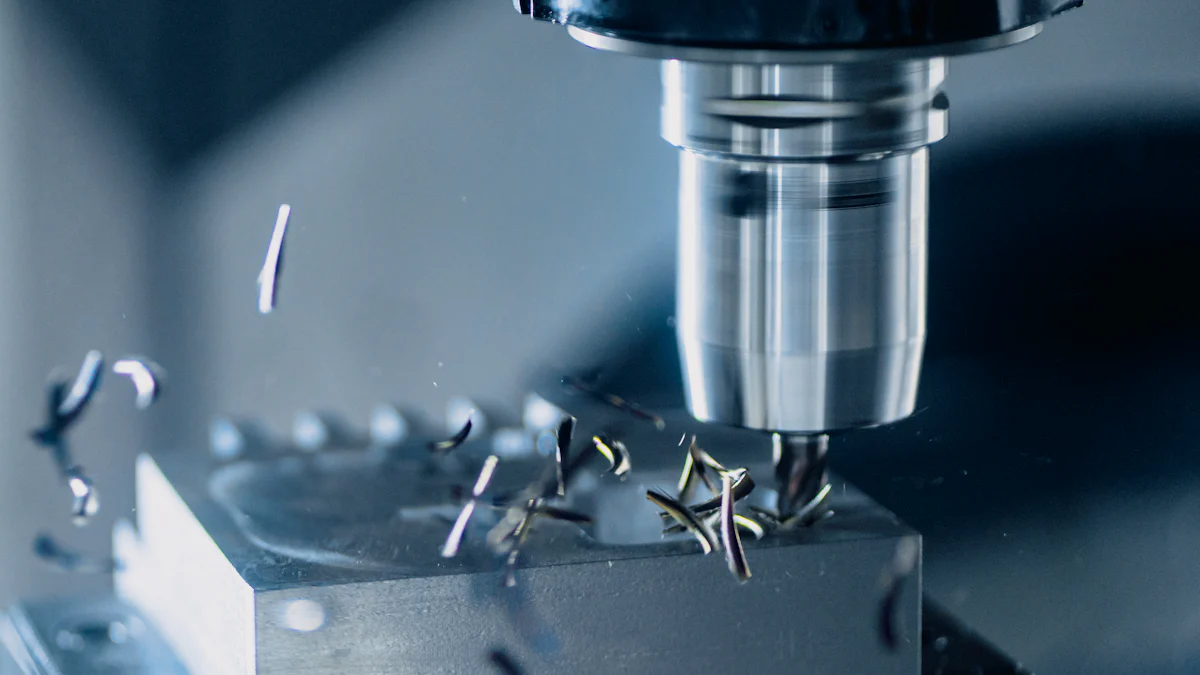
In the realm of manufacturing, CNC milling machines stand out as versatile tools that redefine precision cutting operations. These computerized marvels operate with an XYZ axis and can rotate around the Z-axis, allowing for intricate and accurate shaping of raw materials. Unlike traditional manual milling machines, CNC milling machines boast high-speed spindles, powerful servo motors, and robust machine bed structures that enhance their performance in centralized machining tasks.
How CNC Milling Works
The operation of a CNC milling machine is a symphony of precision and efficiency. By controlling the spindle RPM, feed rate, and toolpath through computerized commands, these machines execute complex cutting processes with utmost accuracy. The automated tool changers streamline production by ensuring seamless transitions between different tools during machining operations. As the cutting tools rotate around the stationary workpiece, material removal occurs systematically to craft components with intricate details.
Common Uses of CNC Milling
The applications of CNC milling machines span across various industries due to their unmatched efficiency and precision. Industries such as aerospace, automotive, and electronics rely on these machines for producing components with intricate geometries and tight tolerances. Products like engine parts, electronic enclosures, and aerospace components are meticulously crafted using CNC milling, showcasing its versatility in handling diverse materials ranging from metals to plastics.
Advantages of CNC Milling
Embracing CNC milling technology unlocks a plethora of benefits that streamline manufacturing processes to new heights. The high precision achieved by these machines ensures consistent quality across all produced components. Moreover, the efficiency of CNC milling accelerates production timelines without compromising on accuracy or intricacy in design specifications. The versatility of these machines allows for a wide range of machining operations beyond simple milling tasks, catering to the evolving needs of modern manufacturing.
Key Differences
Rotation and Movement
When comparing CNC lathes and CNC milling machines, the fundamental difference lies in how they execute rotation and movement. CNC lathes primarily rotate the workpiece against cutting tools to shape cylindrical parts efficiently. In contrast, CNC milling machines operate by rotating cutting tools around a stationary workpiece to carve out intricate shapes with precision.
To illustrate further, imagine a CNC lathe as a potter's wheel where the clay (workpiece) rotates while the sculpting tool remains steady to create cylindrical vases. Conversely, envision a CNC milling machine as a sculptor's chisel that moves around a block of marble (workpiece) to carve detailed sculptures.
In essence, the rotation in CNC lathes is akin to turning a spinning top, focusing on shaping uniform cylindrical components. On the other hand, the movement in CNC milling machines mimics an artist meticulously sculpting intricate designs into stationary material blocks.
Tools and Techniques
The distinction between CNC lathes and CNC milling machines extends beyond rotation to encompass their unique tools and techniques. While both utilize computerized precision, their applications vary significantly.
CNC mills, equipped with three to five axes, excel in producing complex parts impossible through traditional methods. These machines boast high-speed spindles and robust structures ideal for intricate operations requiring utmost precision. In contrast, CNC lathes, known for stability and precision, specialize in swiftly generating uniform parts with simple shapes like bolts or shafts.
To summarize, think of CNC mills as artists crafting delicate jewelry pieces with intricate details while envisioning CNC lathes as craftsmen efficiently producing identical nuts or bolts on an assembly line.
Material Removal Process
Exploring the material removal process sheds light on another critical disparity between CNC lathes and CNC milling machines. The former excels at swiftly removing material from rotating workpieces to create symmetrical components efficiently. In contrast, the latter meticulously carves out materials from stationary blocks with unparalleled accuracy to craft intricate designs impossible through conventional means.
In essence, while CNC lathes focus on rotational efficiency akin to pottery shaping cylinders quickly, CNC mills emphasize meticulous carving similar to sculpting detailed statues patiently.
In conclusion, the distinctions between CNC lathes and CNC milling machines are pivotal in understanding their unique roles within the manufacturing realm. While CNC lathes excel in shaping cylindrical components through rotational precision, CNC milling machines showcase intricate carving abilities on stationary workpieces. Addressing potential counterarguments, some may argue that both machines serve similar purposes; however, their operational variances highlight specialized applications in different industries. To delve deeper into this fascinating field of manufacturing technology, exploring CNC machines further can unveil a world of innovation and precision engineering. Take the first step towards mastering this domain or consider a rewarding career in the dynamic world of manufacturing today!
See Also
A Comprehensive Overview of Precision Machining vs. General CNC
Exploring CNC Machining Services: Turning and Milling Insights
Key Processes in CNC Precision Machining Demystified
Becoming a CNC Milling Expert: Essential Knowledge
Decoding CNC Precision Machining: Unveiling CNC Turning Traits
About US
Follow Us
Your prototype holds unparalleled significance, and we deeply value its uniqueness. Collaborating with you during the preparation phase for running your prototype or parts is a commitment we gladly embrace. Whether it's a single part or a complex assembly, we are dedicated to selecting the optimal tools and pathways to bring your envisioned product to life.
At Precision Fab CNC Machining, we specialize in producing parts for prototypes, short runs, and high-volume production. Our prototyping machine capabilities extend across metal, plastic, and wood machining, with welding fabrication services available to complement and finalize your prototype if required.
Address
Address: Room320 10F, Building A,Nanshan international building, Dayawan District, Huizhou, Guangdong, 516001 China
Contacts
billy@timaycnc.com