How CNC Machining Crafts High-Quality Flashlight Components

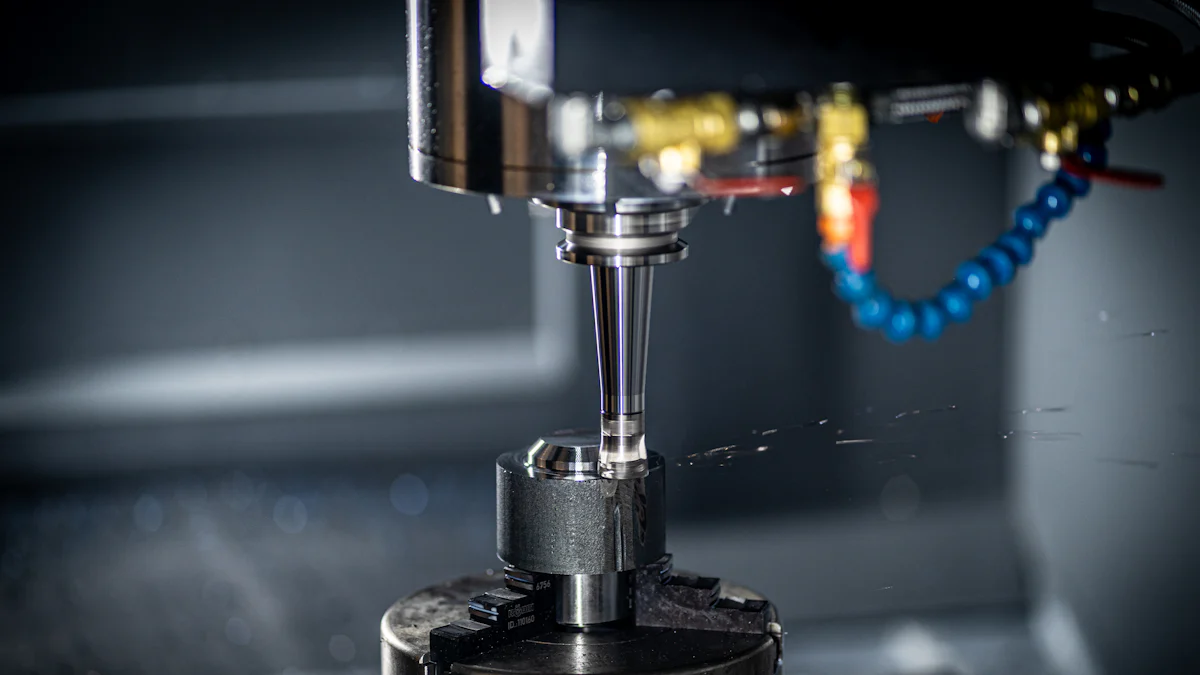
CNC machining stands as a pivotal technology in modern manufacturing. The process ensures the production of high-quality metal flashlights by achieving remarkable precision and consistency. High-quality components in flashlights are crucial for durability and performance. CNC Precision Machining enables manufacturers to create intricate designs and maintain tight tolerances, ensuring each flashlight component meets exact specifications. This method revolutionizes the production of flashlight parts, offering superior quality and reliability.
Understanding CNC Machining
What is CNC Machining?
Definition and basic principles
CNC machining stands for Computer Numerical Control machining. This process uses computer-controlled machinery to shape materials into precise designs. CNC machines follow programmed instructions to cut, mill, drill, or turn materials with high accuracy. The technology ensures repeatability and consistency in manufacturing.
Historical development and evolution
The development of CNC machining began in the 1940s and 1950s. Early machines used punched tape as a data storage method. Over time, advancements in computer technology led to more sophisticated CNC systems. Modern CNC machines now use advanced software and digital controls, allowing for complex and intricate designs.
How CNC Machining Works
Software and programming
CNC machining relies on specialized software for programming. Engineers create detailed designs using CAD (Computer-Aided Design) software. These designs are then converted into CNC programs using CAM (Computer-Aided Manufacturing) software. The CNC program provides precise instructions for the machine to follow.
Machinery and tools involved
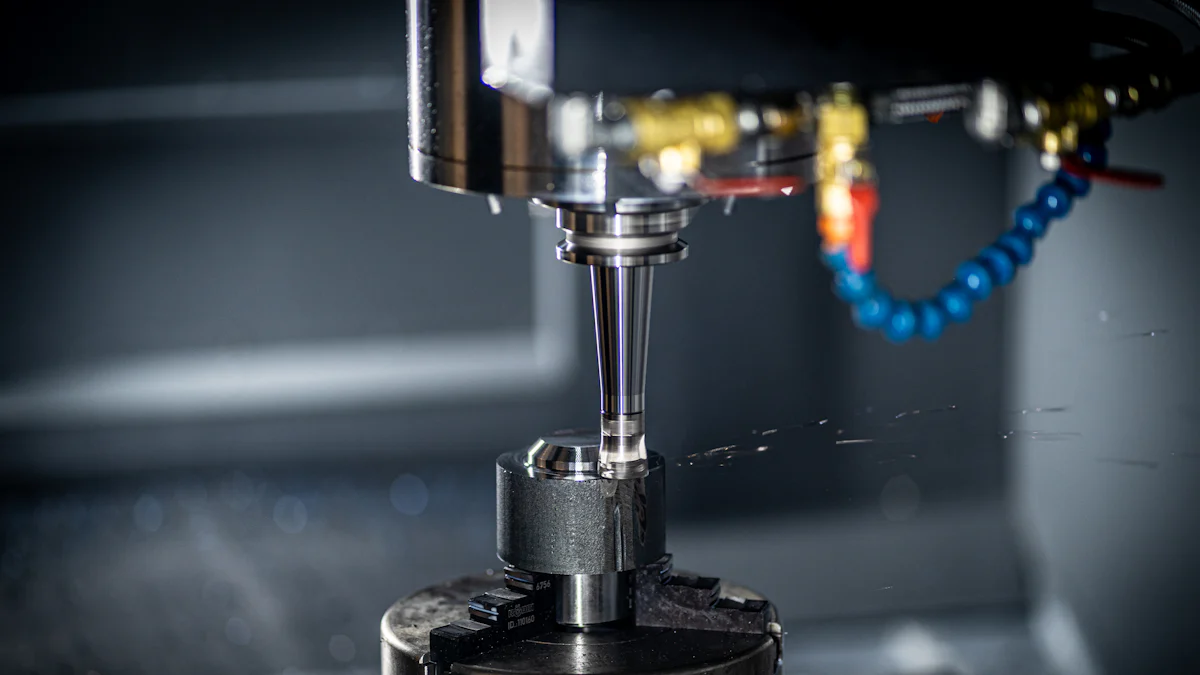
CNC machines include various types of equipment such as mills, lathes, and plasma cutters. Each machine type serves a specific purpose in the machining process. CNC mills perform tasks like cutting and drilling, while lathes handle turning operations. Plasma cutters use a high-velocity jet of ionized gas to make precise cuts in metal.
Advantages of CNC Machining
Precision and accuracy
CNC machining offers unparalleled precision and accuracy. The computer-controlled process ensures each part meets exact specifications. This level of precision is crucial for high-quality flashlight components.
Efficiency and speed
CNC Precision Machining enhances efficiency and speed in production. Automated processes reduce manual labor and minimize errors. High-speed machining capabilities allow for faster production times without compromising quality.
Versatility in materials and designs
CNC machining works with a wide range of materials. Metals like aluminum, stainless steel, titanium, and copper are commonly used. The technology also accommodates various designs, from simple shapes to complex geometries. This versatility makes CNC machining ideal for producing diverse flashlight components.
CNC Machining in Flashlight Manufacturing
Key Components of Flashlights
Housing and body
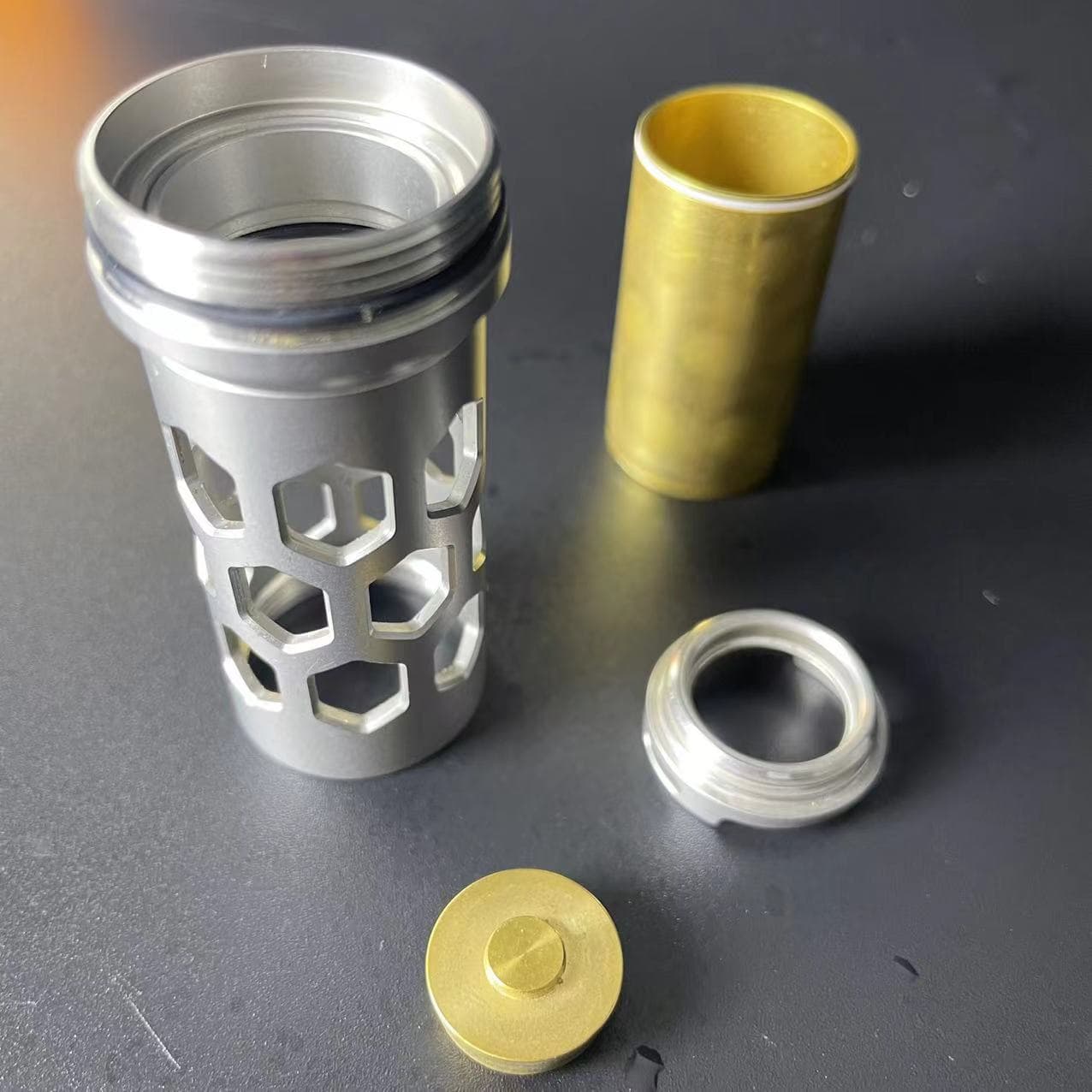
The housing and body of a flashlight serve as the primary structure. CNC machining processes aluminum to create lightweight and durable housings. The precision of CNC machining allows for intricate designs, including knurling and threading. These features enhance grip and assembly.
Reflectors and lenses
Reflectors and lenses direct and focus the light emitted by the flashlight. CNC machining shapes reflective metals into precise parabolic forms. This ensures efficient light direction and minimal loss. Lenses, often made from polycarbonate or glass, undergo CNC milling to achieve the required curvature and clarity.
Switches and connectors
Switches and connectors control the flashlight's operation. CNC machining produces these components with high accuracy. This ensures reliable performance and long-term durability. The process also allows for customization to meet specific design requirements.
CNC Machining Process for Flashlight Components
Material selection and preparation
Material selection is crucial for producing high-quality metal flashlights. Aluminum, stainless steel, titanium, and copper are common choices. Each material offers unique benefits. Aluminum provides lightweight strength. Stainless steel offers corrosion resistance. Titanium combines strength with low weight. Copper excels in heat dissipation.
Machining techniques and processes
CNC machining employs various techniques to shape flashlight components. Turning creates cylindrical parts like the body and tail cap. Milling produces flat surfaces and intricate features. Drilling creates precise holes for screws and connectors. Threading ensures secure assembly. Surface finishing enhances aesthetics and functionality.
Quality control and testing
Quality control ensures each component meets exact specifications. CNC machining allows for tight tolerances and consistent results. Testing includes dimensional checks, surface inspections, and functional tests. This rigorous process guarantees high-quality metal flashlights.
Case Studies and Examples
Leading flashlight manufacturers using CNC machining
Tianjie CNC Precision Machining Ltd. stands out in the industry. The company uses CNC machining to produce high-quality flashlight components. The precision and reliability of their products have earned them a strong reputation.
Success stories and performance improvements
One leading manufacturer improved performance by switching to CNC machining. The company reported increased durability and better light output. Another manufacturer achieved intricate designs that were previously impossible. These success stories highlight the advantages of CNC machining in flashlight production.
Future Trends in CNC Machining for Flashlight Components
Technological Advancements
Innovations in CNC Machinery
The CNC machining industry continues to evolve with new innovations. Modern CNC machines now incorporate advanced sensors and automation features. These enhancements improve precision and reduce human error. Multi-axis CNC machines allow for more complex geometries. This capability benefits the production of intricate flashlight components.
Hybrid CNC machines combine additive and subtractive manufacturing. This integration enables rapid prototyping and efficient production. Manufacturers can produce detailed parts with minimal material waste. The use of AI and machine learning optimizes machining processes. These technologies predict tool wear and adjust parameters in real-time.
Integration with Other Manufacturing Technologies
CNC machining increasingly integrates with other manufacturing technologies. Combining CNC with 3D printing offers unique advantages. Manufacturers can create complex parts that were previously impossible. This hybrid approach enhances design flexibility and reduces production time.
Robotics also play a significant role in modern CNC machining. Automated robotic arms handle material loading and unloading. This automation increases efficiency and consistency. Robotics also enable continuous production, reducing downtime.
Market Trends and Demands
Growing Demand for High-Quality Flashlights
The market for high-quality flashlights continues to expand. Consumers demand durable and reliable products. CNC machining meets these demands by producing precise and robust components. The ability to customize designs appeals to niche markets. Outdoor enthusiasts and professionals seek specialized flashlight features.
Environmental concerns drive the demand for sustainable materials. CNC machining supports this trend by efficiently processing recyclable metals. Aluminum and titanium are popular choices due to their durability and recyclability.
Impact on CNC Machining Industry
The growing demand for high-quality flashlights impacts the CNC machining industry. Manufacturers invest in advanced CNC machinery to meet market needs. The industry sees increased adoption of multi-axis and hybrid machines. These investments enhance production capabilities and product quality.
The rise in custom flashlight designs boosts the need for CNC machining. Manufacturers rely on CNC technology for its precision and versatility. This reliance drives innovation within the CNC industry. Companies continuously develop new techniques to stay competitive.
In summary, the future of CNC machining in flashlight manufacturing looks promising. Technological advancements and market demands drive the industry forward. CNC machining remains essential for producing high-quality flashlight components.
CNC machining plays a crucial role in producing high-quality flashlight components. The technology ensures precision, efficiency, and versatility in manufacturing. Future advancements in CNC machinery will further enhance the production of intricate flashlight parts. Manufacturers should adopt CNC machining to achieve superior quality and operational efficiency. Embracing this technology will meet growing market demands and drive innovation in the flashlight industry.
See Also
Deciphering CNC Machining for Flashlight Parts
Custom Handheld Flashlights: Precision Craftsmanship in Production
Mastery of CNC Machining for Precise Parts Production
The Impact of CNC Machining Technology on Premium Precision Production
About US
Follow Us
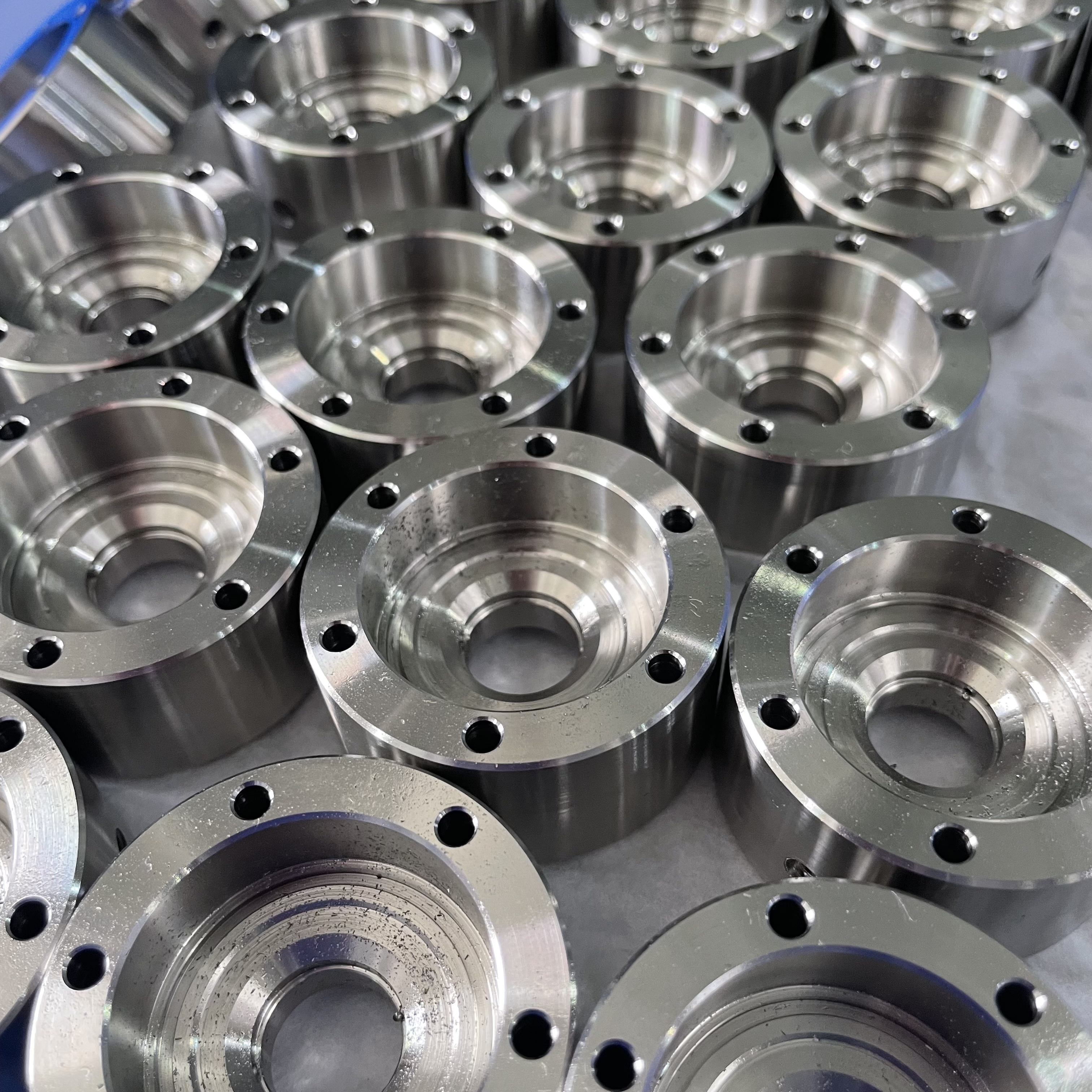
Your prototype holds unparalleled significance, and we deeply value its uniqueness. Collaborating with you during the preparation phase for running your prototype or parts is a commitment we gladly embrace. Whether it's a single part or a complex assembly, we are dedicated to selecting the optimal tools and pathways to bring your envisioned product to life.
At Precision Fab CNC Machining, we specialize in producing parts for prototypes, short runs, and high-volume production. Our prototyping machine capabilities extend across metal, plastic, and wood machining, with welding fabrication services available to complement and finalize your prototype if required.
Address
Address: Room320 10F, Building A,Nanshan international building, Dayawan District, Huizhou, Guangdong, 516001 China
Contacts
billy@timaycnc.com