The Stress Factor: Decoding CNC Machining Pressure

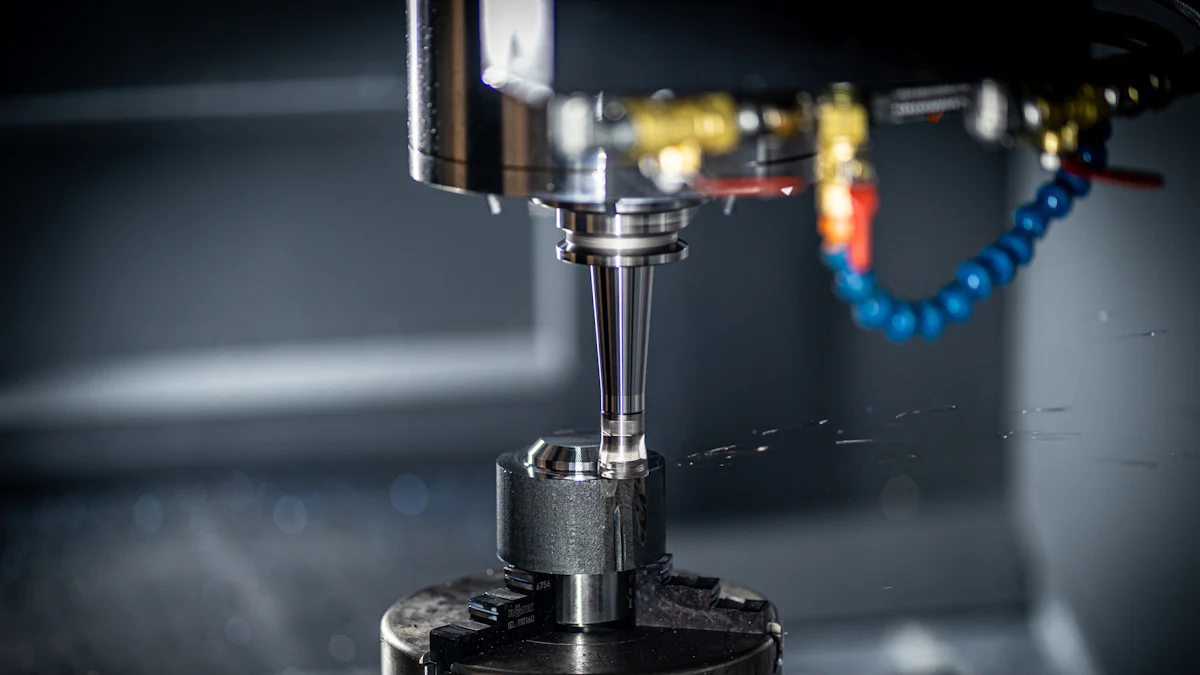
CNC machining is a pivotal aspect of modern manufacturing, driving innovation and efficiency in various industries. Understanding the intricacies of CNC machining is crucial for professionals to navigate the complexities of this dynamic field. Delving into the realm of CNC machining stress factors, from physical demands to mental challenges, unveils the multifaceted nature of this profession. By exploring these stressors, individuals can proactively address issues and enhance their performance in the ever-evolving landscape of precision engineering.
Physical Stress

Demands on the Body
In CNC machining, the demands on the body are significant. Constant movement is a core aspect of this profession. Machinists are constantly on their feet, maneuvering around the workspace to operate machinery and ensure precision in their work. This continuous physical activity is essential for maintaining workflow efficiency and meeting production targets.
The physical toll of CNC machining should not be underestimated. The nature of the job requires machinists to engage in repetitive tasks that can strain muscles and joints over time. The prolonged standing, lifting heavy materials, and operating equipment contribute to physical fatigue and potential long-term health issues if not managed properly.
Safety Concerns
Precision requirements in CNC machining are paramount. Machinists must adhere to strict guidelines to ensure accuracy in every component they produce. The intricate nature of CNC machines demands meticulous attention to detail to avoid errors that could compromise the quality of the final product.
The risk of injury is a constant concern in a CNC machining environment. With high-speed tools and complex machinery involved, even a momentary lapse in focus can result in accidents that may cause harm to the machinist or damage to equipment. Safety protocols must be strictly followed to minimize these risks and create a secure working environment for all personnel.
As CNC machining continues to evolve with advanced technologies and techniques, machinists must prioritize their well-being by addressing physical stress factors and adhering to safety protocols without compromise.
Mental Stress
Cognitive Demands
Maintaining focus and attention is crucial in CNC machining. The intricate tasks involved demand high levels of concentration to ensure precision and accuracy in every component produced. Machinists must stay alert and attentive throughout the machining process to avoid errors that could compromise the quality of the final product.
Developing strong math skills is essential for success in CNC machining. Machinists regularly work with complex measurements, calculations, and geometric principles to program machines and interpret technical drawings accurately. Proficiency in mathematics enables machinists to execute tasks with precision and efficiency, contributing to the overall quality of their work.
Emotional Strain
Feeling anxiety is not uncommon in the fast-paced environment of CNC machining. The pressure to meet tight deadlines and maintain high levels of productivity can lead to feelings of unease and stress among machinists. Managing anxiety effectively is essential for maintaining a clear mind and making sound decisions during the machining process.
Experiencing fatigue is a common challenge faced by CNC machinists due to the demanding nature of their work. Long hours spent standing, operating machinery, and focusing on intricate details can take a toll on both physical and mental energy levels. Implementing strategies to combat fatigue, such as taking short breaks or practicing mindfulness, can help machinists sustain their performance throughout the workday.
Environmental Stress

Workload and Deadlines
Maintaining high productivity expectations is a fundamental aspect of CNC machining environments. Machinists are constantly challenged to meet demanding production targets while ensuring precision and quality in their work. The pressure to deliver within tight deadlines can create a sense of urgency in the workplace, driving machinists to optimize their efficiency and time management skills.
Effective time management is essential for navigating the fast-paced nature of CNC machining operations. Machinists must prioritize tasks, allocate resources efficiently, and streamline processes to maximize productivity. By implementing strategic time management techniques, such as setting clear objectives and establishing realistic timelines, machinists can enhance their workflow and meet project milestones effectively.
Workplace Conditions
Noise Levels
Noise levels in a CNC machining workshop can significantly impact the working environment and machinists' well-being. The operation of machinery, cutting tools, and equipment generates varying levels of noise that can contribute to auditory discomfort and potential health issues if not managed appropriately. Implementing soundproofing measures, utilizing noise-canceling technologies, or providing personal protective equipment (PPE) can help mitigate the adverse effects of excessive noise exposure on machinists.
Heat Management
Efficient heat management is crucial in CNC machining workshops to ensure optimal performance and safety. The operation of high-speed cutting tools and machinery generates heat that can accumulate in the workspace, leading to discomfort and potential hazards for machinists. Implementing effective ventilation systems, thermal insulation measures, or cooling technologies can help regulate temperature levels and create a comfortable working environment conducive to productivity.
Incorporating strategies to address workload demands, optimize time management practices, mitigate noise levels, and manage heat effectively are essential steps in promoting a healthy and sustainable work environment for CNC machinists.
Recap of stress factors in CNC machining:
Machinists face physical strain from constant movement and safety concerns due to precision requirements.
Mental stress arises from cognitive demands like concentration needs and emotional strain such as anxiety.
Environmental stress includes workload pressure, time management challenges, noise levels, and heat management issues.
Importance of stress management:
Practicing relaxation techniques like breathing exercises, meditation, yoga, and mindfulness can help machinists cope with stress and fatigue effectively.
Focusing on work tasks can reduce anxiety levels and promote a sense of calmness in the CNC work environment.
Future developments and recommendations:
Emphasize the implementation of safety protocols to prevent injuries and ensure a secure working environment for machinists.
Encourage continuous learning and skill development to enhance proficiency in CNC machining practices.
Promote a supportive workplace culture that prioritizes well-being and offers resources for managing stress effectively.
See Also
Comprehending the Key Steps in CNC Precision Machining
Unraveling CNC Milling Costs: The Real Expense of Precision Machining
Grasping Material Needs for CNC Precision Machining
Unveiling Precision Parts CNC Machining Process Programming Realities
Exploring the Order of Precision Mechanical Parts in CNC Machining
About US
Follow Us
Your prototype holds unparalleled significance, and we deeply value its uniqueness. Collaborating with you during the preparation phase for running your prototype or parts is a commitment we gladly embrace. Whether it's a single part or a complex assembly, we are dedicated to selecting the optimal tools and pathways to bring your envisioned product to life.
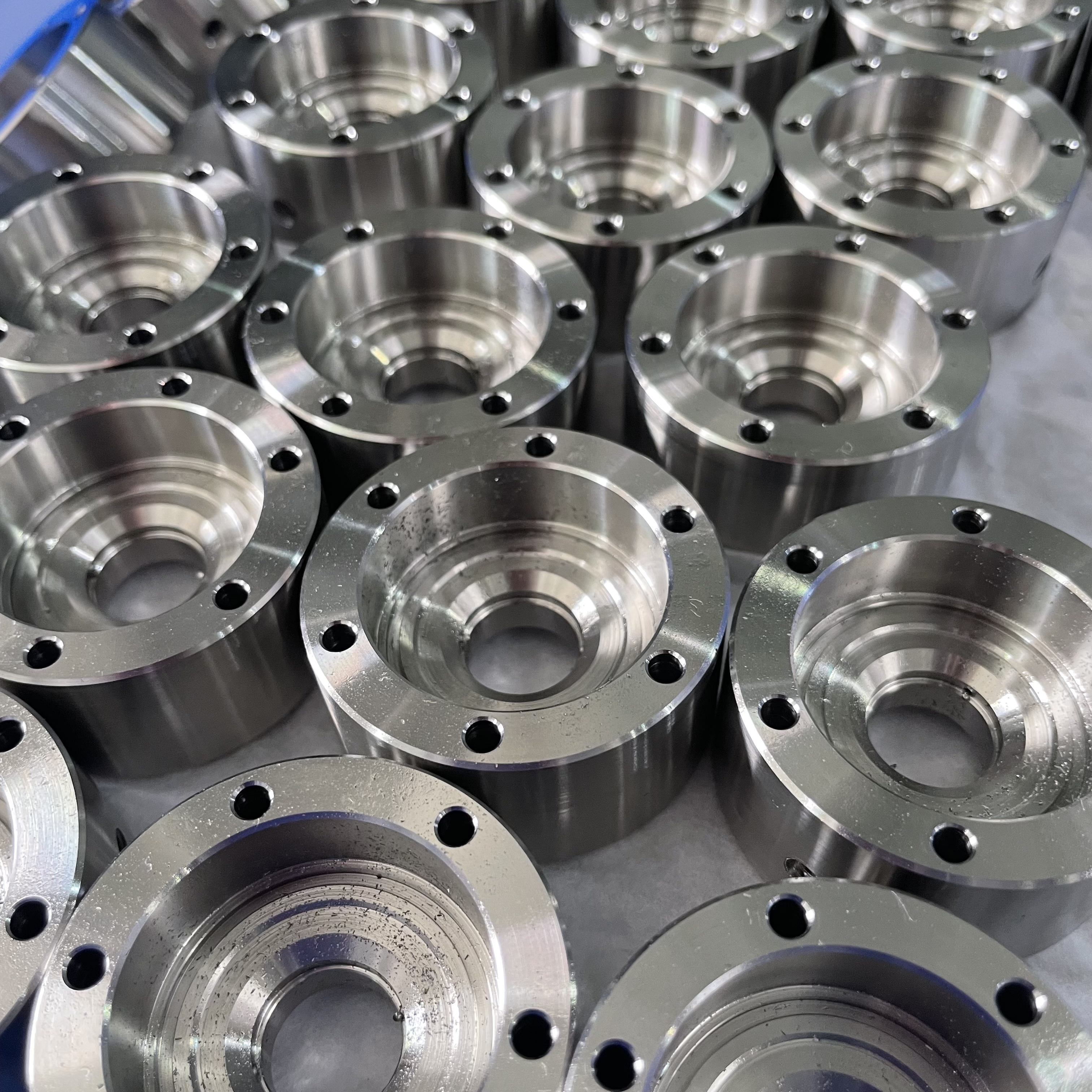
At Precision Fab CNC Machining, we specialize in producing parts for prototypes, short runs, and high-volume production. Our prototyping machine capabilities extend across metal, plastic, and wood machining, with welding fabrication services available to complement and finalize your prototype if required.
Address
Address: Room320 10F, Building A,Nanshan international building, Dayawan District, Huizhou, Guangdong, 516001 China
Contacts
billy@timaycnc.com